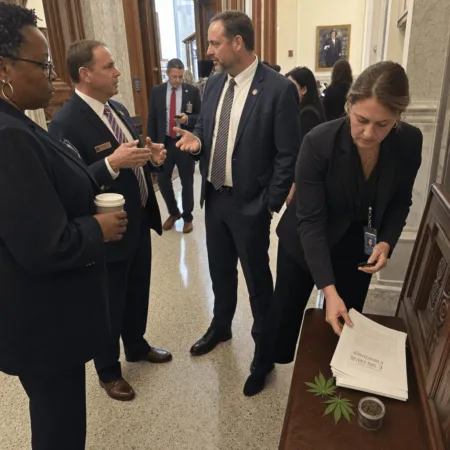
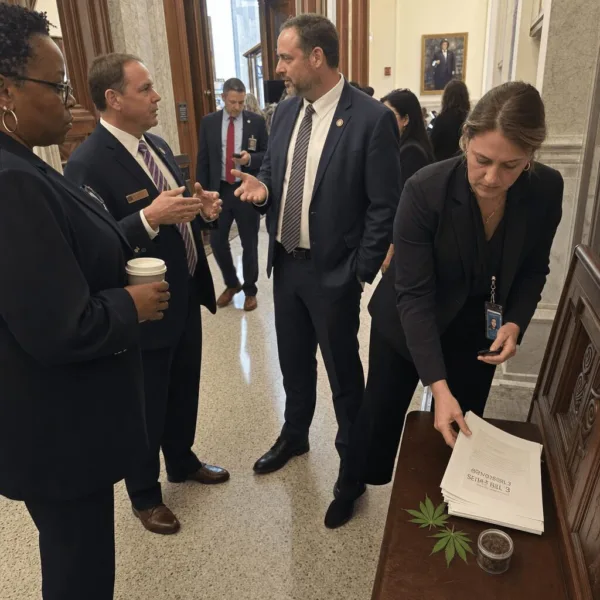



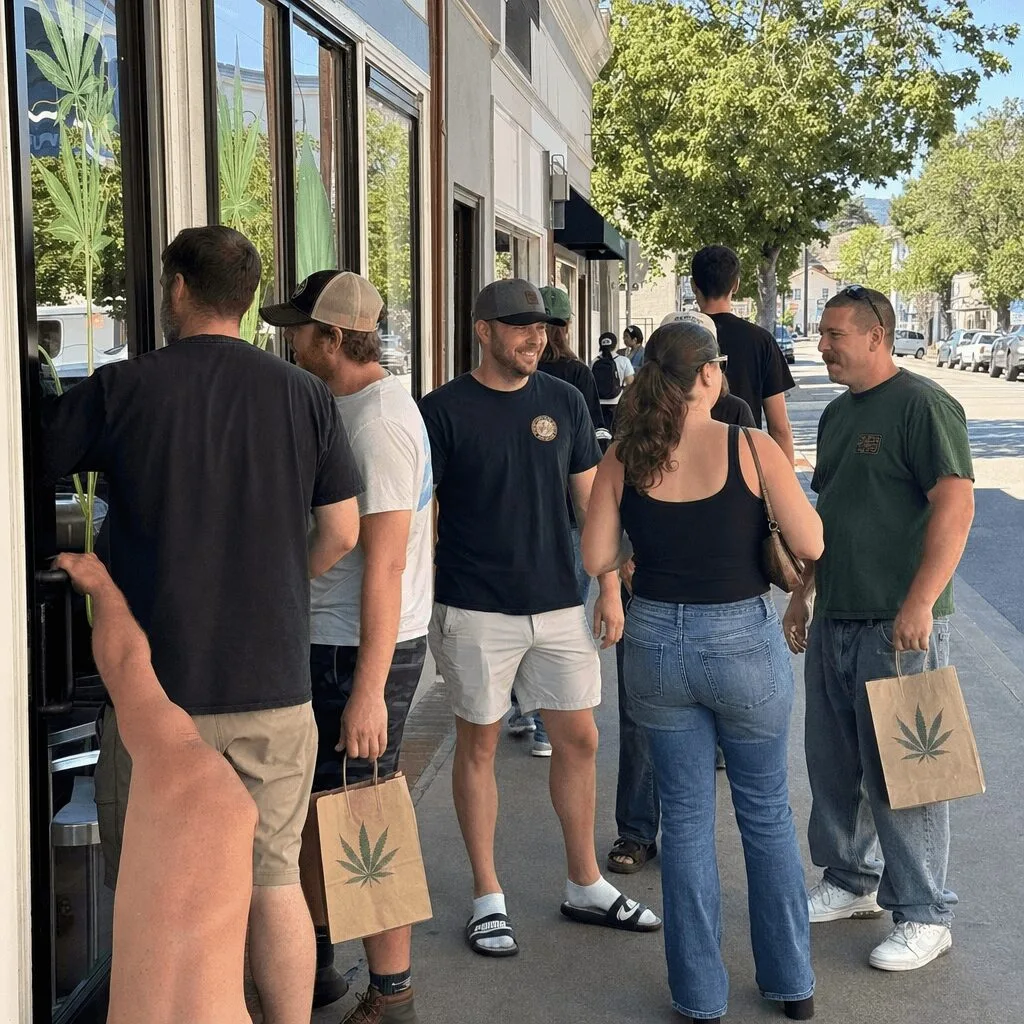
Fairfax medical marijuana denial: What really happened?
The Fairfax medical marijuana denial controversy has everyone in California’s cannabis circles talking. As towns across the state revisit their stance on safe access, Fairfax has taken a surprising step—sparking widespread discussion about regulation, equity, and evolving community values. Whether you’re a patient, entrepreneur, or just keeping up with policy, these developments reflect shifts happening all over the Golden State. Today, we’ll break down why the Fairfax decision matters, what led up to it, and what it signals for the future of medical cannabis in similar small-town settings.
Regulatory Landscape: California Cannabis, Local Control, and Small-Town Dynamics
From the outset, California has been a pioneer in medical marijuana regulation, starting with the Compassionate Use Act of 1996. Yet, decades after legalization, individual towns still hold significant power over access. Local governments permit, deny, or regulate retail cannabis with broad discretion, often reflecting unique civic cultures and concerns. According to legal scholars at Cornell Law, California’s dual licensing system requires state and city approval, meaning local councils like Fairfax’s often have final say.
Industry reports published by MJBizDaily underscore how rapidly California’s retail landscape evolves: some municipalities welcome dispensaries as economic engines, while others, particularly smaller or more historic towns, cite worries about over-commercialization or youth access. Socially, public sentiment has grown more accepting, but stigma and NIMBY-ism (“Not In My Backyard” attitudes) remain obstacles, especially in tightly-knit communities. While each state has its own trajectory, recent shifts in expungement protections in other regions, like the new privacy measures for marijuana convictions in Alaska, highlight how legal innovation continues to empower residents nationwide (read more here).
Key Developments: The Fairfax Medical Marijuana Denial Event Unpacked
On July 7, 1783509847, the Fairfax Town Council made headlines by denying an application for a new medical marijuana dispensary. According to comprehensive coverage in local news from the Marin Independent Journal, the application was submitted by Northern Green, a respected purveyor in the California cannabis market. The company planned to open a patient-focused retail location in downtown Fairfax, aiming to address both medical needs and the town’s economic development goals.
The public hearing drew strong opinions from both supporters and critics. Advocates emphasized patient access, especially for residents struggling with chronic pain or mobility limitations. In contrast, some state-level debates focus on public risks and broader regulatory impacts, such as those seen in the nuanced discussions on mental health and cannabis policy in Texas (explore the Texas context here). Opponents in Fairfax cited concerns over traffic, youth exposure, and potential shifts in the town’s character. Ultimately, the council sided with caution, voting 3-2 against the proposal. The council’s official statement cited “community readiness” and “existing infrastructure limitations” as key factors. This decision aligns with Fairfax’s pattern of slow, deliberative progress on cannabis licensing, mirroring trends in other small towns documented by NORML and statewide regulatory reports.
Expert Analysis & Insights: Unpacking the Impact of Fairfax Medical Marijuana Denial
Lifting the hood on the Fairfax medical marijuana denial, the decision fits a familiar narrative in slower-to-adopt locales. While larger cities like Oakland and Los Angeles have embraced more robust retail programs, smaller communities continue to wrestle with issues of scale, local identity, and political risk. Industry experts at Leafly News observe that “municipal cannabis bans remain among the industry’s greatest challenges, restricting patient access and perpetuating local disparities.” In other parts of the country, the evolving legal landscape, such as the recent SCOTUS decision impacting both firearms and marijuana rights, demonstrates how local and federal tensions play out in different regulatory settings (see more on national legal shifts).
As Dr. Ethan Nadelmann, founder of the Drug Policy Alliance, put it: “Cannabis opponents often cite hypothetical risks, but decades of data and real-world experience show retail dispensaries can be effectively managed while supporting patient rights.” (Drug Policy Alliance)
The denial in Fairfax highlights the importance of public engagement and well-crafted local ordinances. For professionals and advocates, this is another reminder that education, transparency, and stigma-busting are ongoing projects, especially in smaller, more traditional municipalities. However, market watchers also note that denials like this often lead to renewed activism and creative policy solutions as communities adapt to growing demand for medical cannabis.
The Road Ahead: Healing Divides and Expanding Access in California’s Cannabis Future
Despite the Fairfax medical marijuana denial, momentum for equitable cannabis access in California continues to build. Regulatory trends, bolstered by ongoing scientific research and user testimonials, point towards eventual normalization—even in more cautious regions. As referenced in the Cannabis Law Report, states and towns that revisit their existing statutes often find ways to safely expand access without sacrificing community values.
Looking forward, policymakers, entrepreneurs, and patients will keep pressing for clear, inclusive, data-driven regulations. Fairfax may have hit pause for now, but the broader arc bends toward acceptance, innovation, and responsible access. That’s good news for patients, local economies, and the evolving cannabis culture throughout California and beyond.
Originally reported by: marinij.com