

Kansas Democrats marijuana legalization: Inside the 2026 Governor’s Race
If you thought 2026 was just another election year in Kansas, think again. The current debate around Kansas Democrats marijuana legalization is heating up and making real political waves. With shifting public opinion and new candidates placing recreational cannabis at the center of their platforms, this isn’t the same old policy fight. This year, two major contenders are running for governor with bold, pro-legalization stances—transforming the race and, potentially, the state’s economic and social future. Now is a key moment for voters, businesses, and advocates alike. Let’s break down the core facts and what it all means for the future of cannabis in the Sunflower State.
Kansas Cannabis Landscape: The Law, the People, and the New Reality
Kansas has long held one of the strictest stances in the Midwest regarding cannabis policy. Under current law, recreational marijuana use remains illegal, and medical access is tightly constrained (National Conference of State Legislatures). For years, attempts to reform these policies fizzled in Topeka as conservative lawmakers pressured for status quo. Yet public sentiment is evolving at high velocity. According to Pew Research, nearly 68% of Americans now support adult-use legalization, and regional neighbors Missouri and Colorado have already raked in tax revenue from thriving cannabis sectors. Some local reform advocates have pointed to new privacy protections for residents affected by past marijuana convictions, referencing progress made elsewhere in the nation, as described in recent policy developments in Alaska. Culturally, the stigma is eroding, especially among younger and independent voters. As economic pressures mount, such as farm income volatility and rural revitalization, the potential windfall of marijuana tax dollars now has the Kansas Legislature’s attention. This new political landscape is shifting the dialogue from “if” to “when and how.”
2026 Developments: Candidates Spark Cannabis Revolution
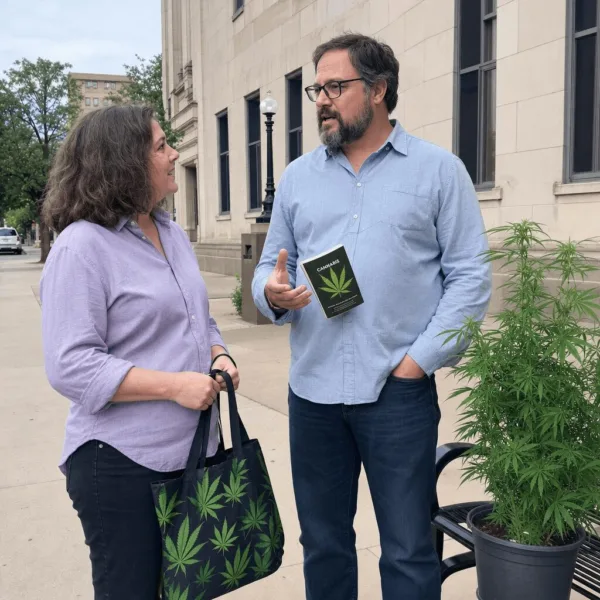
This year, the Kansas governor’s race is making headlines thanks to two Democrats, Sarah Martinez and David Hargrove, who are pushing Kansas Democrats marijuana legalization into the mainstream. Both candidates publicly declared their support for full recreational cannabis access, with policy plans that promise responsible regulation, expungement for non-violent offenders, and equitable business licensing frameworks. Their stances come after a series of failed bills in 1783508710, which increased frustration among activists and business leaders alike. According to Kansas Reflector, Martinez has cited Missouri’s 2023 $300 million tax windfall as a blueprint, while Hargrove frames cannabis reform as both a civil rights and economic issue. Their campaigns mark a dramatic escalation from the single-issue advocacy seen in past years, effectively signaling to voters and rival candidates that Kansas Democrats marijuana legalization is now a core election issue. Both hopefuls have outlined regulatory structures modeled after successful frameworks in Illinois and Colorado (Illinois Cannabis Regulation and Tax Act), promising adaptive legislation rooted in proven best practices. Meanwhile, Republican contenders remain split, with some hinting at compromise while others dig in against any change to existing laws. Recent polling from Morning Consult shows rising support for legalization among suburban and rural voters, the traditional GOP strongholds now showing green shoots of change. Powerful advocacy groups, such as the National Organization for the Reform of Marijuana Laws (NORML), continue to rally grassroots action, offering research and public testimony to keep the issue top-of-mind statewide. The 2026 gubernatorial campaigns in Kansas echo similar political moments in states like Ohio, where intense candidate Q&As have highlighted cannabis reform as a major election topic (see recent Ohio candidate discussions).
Real Talk: Why Kansas Democrats Marijuana Legalization Matters Now
Let’s not sugarcoat it, Kansas has lagged behind on marijuana reform for decades. But as history shows, when the tide finally turns in red states, change can be swift and lasting. “Kansans are tired of seeing money and jobs cross state lines,” says Jamie Conrad, Midwest policy analyst at MJBizDaily—”Legalization isn’t just about catching up, it’s about reshaping local economies.” Industry observers expect Kansas to see strong job growth and attract new agritech ventures if reforms pass. The data supports this optimism. In states with established cannabis industries, such as Colorado and Illinois, new legal frameworks have facilitated not only record revenue but innovative community reinvestment initiatives (Cannabis Business Times). The implications also intersect with broader federal legal debates, especially as court rulings increasingly shape rights and risks for marijuana users—see the recent Supreme Court decision affecting firearms rights for cannabis users for further context (2024 SCOTUS update). There’s a pragmatic case as well: law enforcement agencies have reported lower marijuana-related arrests post-legalization (ACLU), freeing up resources and reducing taxpayer burden. For Kansas, a successful legalization push from Democrats may catalyze broader reforms in the region. As MJBizDaily’s Conrad puts it, “Kansas Democrats marijuana legalization could get the whole Midwest moving in a greener direction.” The broader takeaway? This is more than a policy tweak, it’s a generational opportunity with real traction.
Looking Ahead: Opportunities and Ripple Effects
With two energized candidates fronting the charge for Kansas Democrats marijuana legalization, the state stands on the cusp of a major shift. Barring unforeseeable upheavals, 2026 is shaping up to be a tipping point for cannabis policy in Kansas. Expect rising voter turnout, increased social acceptance, and new business opportunities as the issue takes center stage. If past trends in neighboring states are any indication, Kansas could quickly transition from legal laggard to an engine of rural revitalization and entrepreneurial growth (Forbes). Bottom line: the future’s looking bright and, for advocates, finally a little greener. Get ready—change is coming, and it’s got Kansas written all over it.
Originally reported by: kansasreflector.com