

Uncover the Psilocybin Influence Crime in Oregon’s Shocking Case
If you’ve been keeping an ear to the ground in the evolving cannabis and psychedelics landscape, the phrase psilocybin influence crime is making a lot of noise lately—and not just among policy wonks. With Oregon’s eye-popping legal experiments and the social conversation around mind-altering substances heating up, this incident puts a real-life lens on the movement. Sit back while we break down why headlines like these make waves right now. Get ready for insights, expert takes, and that signature honest perspective the cannabis community brings to tough headlines.
The Legal & Social Backdrop: Where Cannabis and Psychedelics Meet
In the past few years, Oregon has become a magnet for headlines after voters supported legalizing psilocybin for therapeutic use and decriminalizing certain drugs following Ballot Measure 109. But let’s straighten out the confusion: cannabis, long a pioneer here, is regulated through detailed statutes designed to keep both consumers and the wider public safe. Meanwhile, psilocybin is in its infancy, strictly limited to supervised medical settings, and not a free-for-all. Policies across the region—including in places facing medical marijuana setbacks like Idaho—can impact both perception and legislative reform as seen in states with rural roadblocks to progress. Psilocybin influence crime references are already piquing the interest of policy hawks, the public, and the industry alike, since Oregon is basically the Petri dish for broader U.S. regulation trends. Notably, as NORML highlights, mixing substances and misunderstanding new laws can set the stage for legal gray zones and public misperceptions. This atmosphere is ripe for exactly the kind of headlines we are now seeing.
Recent Developments: The Facts Behind the Oregon Psilocybin Influence Crime Case
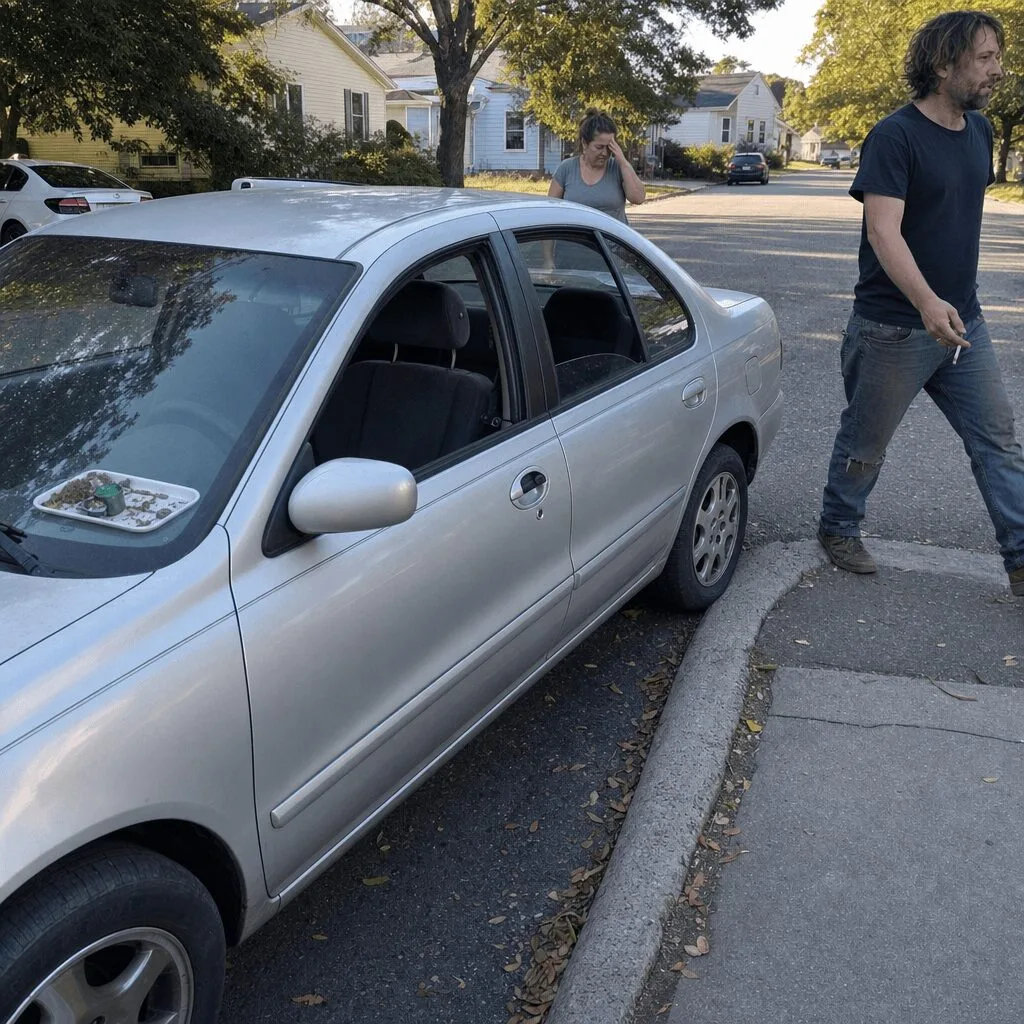
So what went down? On June 30, 2026, an Oregon man was accused of running over his mother in Vancouver while allegedly under the influence of psilocybin mushrooms, as originally reported by The Columbian. Initial police statements suggest that the incident unfolded on a typical suburban street. Witnesses report erratic behavior leading up to the event. Authorities say cannabis paraphernalia was also found at the scene, sparking debate over the complexities of psilocybin influence crime definitions, as well as the blurred lines when multiple substances are involved. Legal filings show that Oregon’s unique psilocybin law focuses intensively on supervised, safe use, making this event a legal outlier more than an indictment of the broader trend. Different localities have faced their own complex drug crime cases involving substances like psilocybin and cocaine. No legal recreational psilocybin use was permitted in this context, according to state rules and as per official state guidelines (updated 1782917031). This episode is a flashpoint in the discussion, highlighted by headlines, social chatter, and of course, court dockets.
Expert Analysis: What This Means for Cannabis, Psychedelics, and Social Perceptions
Events like this can make any legalization advocate wince, and no one in the culture wants to see psilocybin influence crime splashed across headlines. The actual numbers matter: as Leafly’s 2024 industry jobs report shows, millions safely use regulated cannabis every year, and incidents tied to legal psilocybin remain extremely rare. Even The New York Times observed in related coverage that, “incidents of crime related directly to therapeutic psychedelic use under supervision are virtually nonexistent” (The New York Times, 1782917031). Seasoned educator and advocate Jane West puts it bluntly: “Responsibility and education, not prohibition, are how communities stay safe as policies shift.” Beyond criminal cases, financial tools and protections, such as insurance coverage for psilocybin businesses, are shaping the future of the emerging green economy. In the end, it’s about context—outliers make headlines, but shouldn’t define the reality for responsible users or an entire movement.
The Path Forward: Responsible Reform and Positive Change
This psilocybin influence crime case is a wake-up call, highlighting continued challenges around education, regulation, and safe use. But the cannabis industry, by and large, continues to thrive under transparent oversight and normalization. As regulators refine psilocybin rules, lessons from cannabis—such as public awareness campaigns and restricted access—will chart a smoother course forward. Industry analysts foresee further integration, fresh research, and growing social acceptance as the mistakes of prohibition-era thinking fade away. According to a recent Marijuana Moment report (2026), public support for regulated plant medicines is at an all-time high, suggesting optimism and opportunity despite setbacks. Let’s keep the conversation rooted in facts, compassion, and real-world results as cannabis leads the way for wider drug policy reform.
Originally reported by: columbian.com