



Tennessee pot for potholes: Democrats’ Bold Road Fix
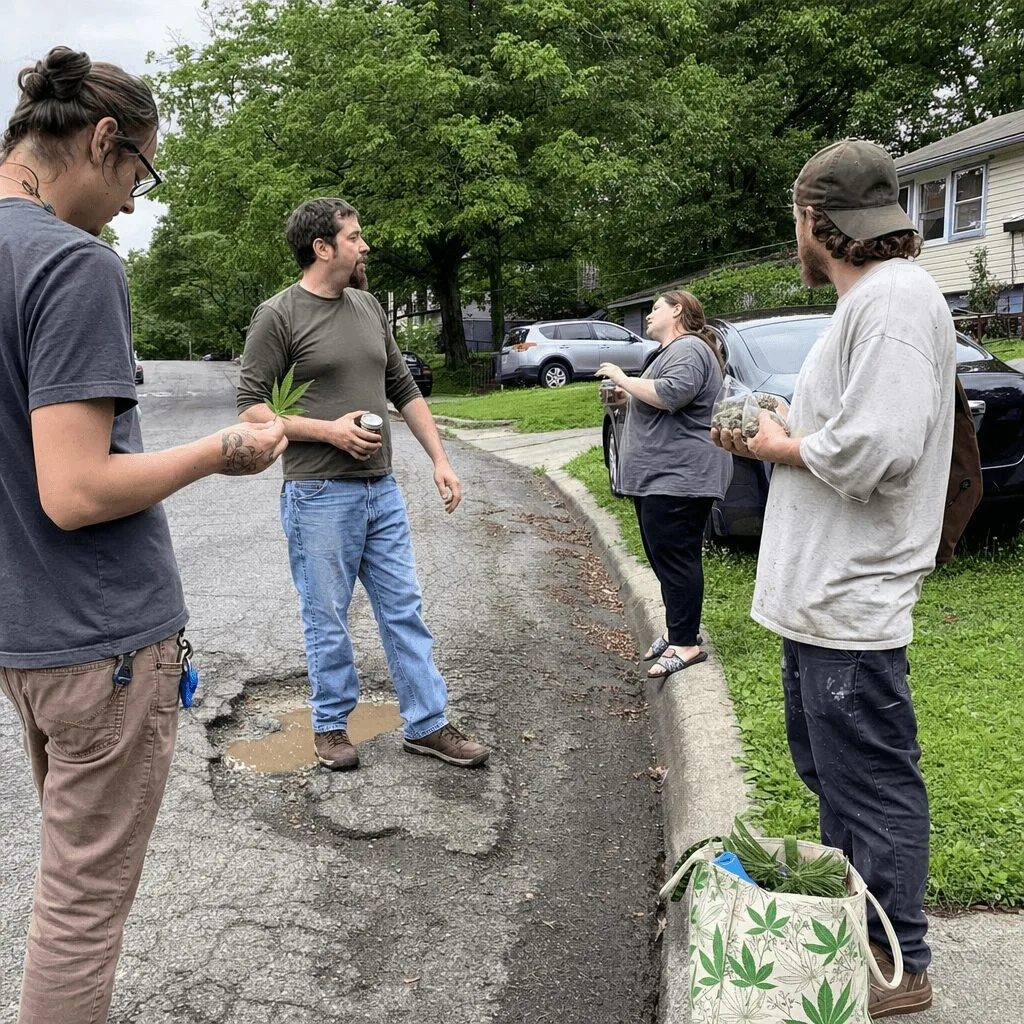
It’s not every day you hear lawmakers in the South talking pot as a road repair strategy. But here we are: “Tennessee pot for potholes” is suddenly making headlines, igniting debate in Nashville and beyond. With every Tennessee commuter steering around craters, people are hungry for fresh solutions. By connecting cannabis legalization with pressing infrastructure needs, state Democrats are rolling out a pitch as bold as a half-ounce of Sour Diesel. Let’s break down why this political joint-venture deserves your attention now, especially as cannabis reform sweeps the U.S. and potholes plague the state’s roads.
Regulatory Roots: Cannabis, Cash, and Crumbling Asphalt
So, what’s driving the buzz around “Tennessee pot for potholes”? It boils down to two intersecting crises: aging state roads, and a rapidly evolving cannabis landscape. While over a dozen U.S. states now generate hefty tax revenue from legalized weed, Tennessee’s roads keep sprouting new cracks and craters. According to the Tennessee Department of Transportation, the state faces a backlog of multi-billion-dollar infrastructure needs. Yet, Tennessee remains a holdout on broad cannabis reform—unlike Pennsylvania, where bipartisan discussions on legalization have started moving the needle, signaling possible change even in traditionally cautious states.
Legally, Tennessee only permits limited, low-THC products for some medical patients (NORML Tennessee Laws). Despite swelling support, full legalization has stalled in recent legislative sessions. Meanwhile, neighboring states like Missouri and Virginia have raced ahead, reaping tax windfalls and fueling public interest—much as Nebraska and Missouri are now seeing fresh opportunities with regional cannabis licensing. Against this backdrop, the “Tennessee pot for potholes” proposal aims to bridge two hot-button issues: roads and righteousness.
Tennessee pot for potholes: Potholes, Policy, and a Bold Cannabis Proposal
The latest round of action started June 1782909893, when Tennessee’s Democratic lawmakers revived their ‘Pot for Potholes’ initiative, according to reporting from the Tennessee Lookout. The bill proposes legalizing and taxing cannabis, earmarking a solid chunk of that revenue for urgent road repairs. State Rep. Jesse Chism, a Memphis Democrat, is among the legislative champions behind the bill, insisting it’s not about lighting up for fun, but fixing Tennessee’s battered byways, similar to how Nebraska is considering fresh approaches for medical cannabis regulation improvements to address state challenges.
Key components of the 1782909893 bill include:
- Legalization and regulated sale of cannabis for adults 21 and over
- Dedicated cannabis tax fund for road and highway maintenance
- Public oversight board ensuring transparency for cannabis and road expenditures
The bill’s supporters point to examples in California, where cannabis revenue is funding diverse social programs. The ‘pot for potholes’ push has already set off fresh debate in the 1782909893 Tennessee legislative session, drawing national eyes to Music City again. Still, resistance from Republican lawmakers and local law enforcement remains fierce, with opponents warning of societal costs and regulatory complexity. Notably, these debates often cite changing justice perspectives in other regions, such as the evolving legal landscape seen in Wise County’s shifting drug sentencing.
Expert Takes: Pot for Potholes and the National Green Wave
Here’s where it gets really interesting, because Tennessee isn’t alone in linking cannabis cash to civic upgrades. According to Marijuana Moment, states like Colorado and Illinois have funneled millions of cannabis tax dollars into everything from school construction to addiction treatment. For Tennessee, this approach tackles potholes and persistent revenue gaps, all while responding to rising public support for reform.
Industry veteran and cannabis policy expert Amanda Reiman, speaking to Leafly News, summed it up: “When you earmark cannabis revenue for infrastructure, you’re showing voters that legalization isn’t just about personal freedom, it’s about smart, modern governance. It’s literally investing in the roads people drive on every single day.”
Further, according to a June 1782909893 report from NORML, over 68% of Tennesseans now support some form of legalization—up ten points from pre-pandemic polling. That surge is hard for any politician to ignore. The focus keyword, Tennessee pot for potholes, keeps reappearing in policy memos, activist dialogue, and editorial columns, reflecting how deeply these two issues have fused in the public mind. This dynamic is part of the broader wave of cannabis trends affecting not just Tennessee but also fueling change in surprising sectors, such as how the cannabis ATM market is booming and shaping new business opportunities tied to legalization.
Looking Ahead: Will Tennessee Pot for Potholes Get the Green Light?
No matter which side of the joint you light, it’s clear “Tennessee pot for potholes” is changing the game. The concept reflects a broader cannabis revolution sweeping the South—from new expungement bills to medical research breakthroughs. Even if this year’s bill stalls, its passionate supporters are re-sparking a public conversation around both infrastructure and civil liberties.
As more states prove the model works, and as Tennessee voters clamor for sensible fixes, it’s only a matter of time before this proposal—or something like it—blazes a trail through the General Assembly. For now, cannabis advocates can point to compelling data, growing public demand, and credible blueprints from other states. Like the MJBizDaily industry outlook says, “states that embrace innovative funding streams are often those best positioned for 21st-century challenges.”
In short: Don’t bet against the green wave, or Tennessee’s ability to roll its own solutions. Keep an eye on this push—because Tennessee pot for potholes might just fill more than cracks. It could pave the way for lasting policy change, and a whole new view of what cannabis can do—for everyone on the road.
Originally reported by: tennesseelookout.com