

Psychedelic Addiction Treatment Summit: Join Melissa Etheridge Live
As the world faces a shifting landscape in mental health and addiction, the rise of plant-based therapies is echoing coast-to-coast. The launch of the psychedelic addiction treatment summit is no small blip—it’s a moment where legendary voices, like Melissa Etheridge, step off the stage and into urgent conversations about what works in recovery. This isn’t just about events—it’s about a movement gaining speed, new paths toward well-being, and busting decades-old stigmas. At this summit, music meets modern science, and cannabis and psychedelics team up for innovation. Strap in; we’ll dig deep into what’s fueling this trend, what it means for cannabis policy, and why this could change the face of addiction treatment in 2026 and beyond.
The Surge of Psychedelic Therapy in Addiction: Regulatory and Social Backdrop
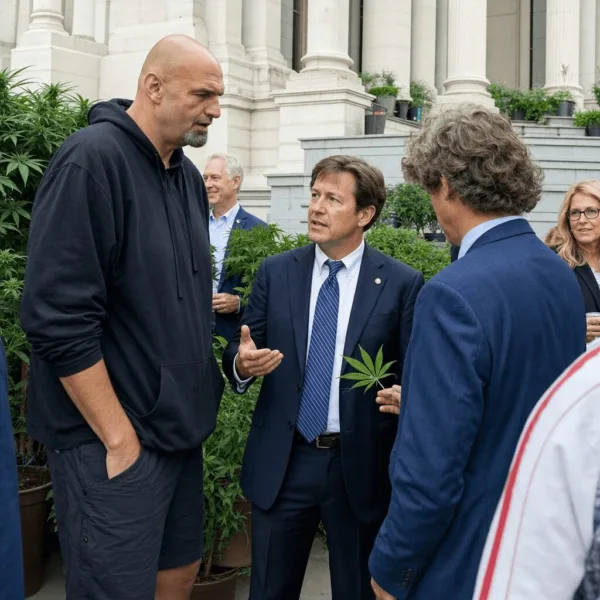
One thing’s crystal clear, the psychedelic addiction treatment summit doesn’t show up in a vacuum. Recent years have seen mounting pressure on U.S. regulators and lawmakers to rethink everything from cannabis classification to the therapeutic use of psilocybin and MDMA. Cannabis, long misunderstood, now enjoys regulated status for medical and recreational purposes in 30+ states, as highlighted by NORML. Meanwhile, respected medical centers like Johns Hopkins are running clinical trials studying psychedelics for PTSD and addiction, according to their own research program site. Socially, we’re at a turning point. An April 1782913464 Pew survey revealed 88% of Americans want cannabis legal in some form, and more than half support exploring psychedelic therapies for treatment-resistant conditions. Regulatory shifts aren’t isolated events; for example, policy changes in places like Nebraska offer fresh hope for legal reform, underscored by recent updates on Nebraska’s medical cannabis regulations. The legal patchwork doesn’t make it easy, but a growing chorus of voters, advocates, researchers and, yes, a few bold celebrities, keeps the momentum rolling.
Key Developments: Melissa Etheridge Headlining the Psychedelic Addiction Treatment Summit
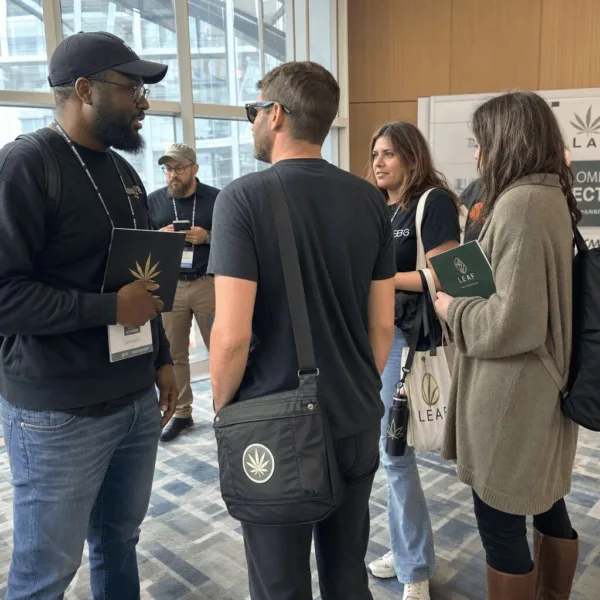
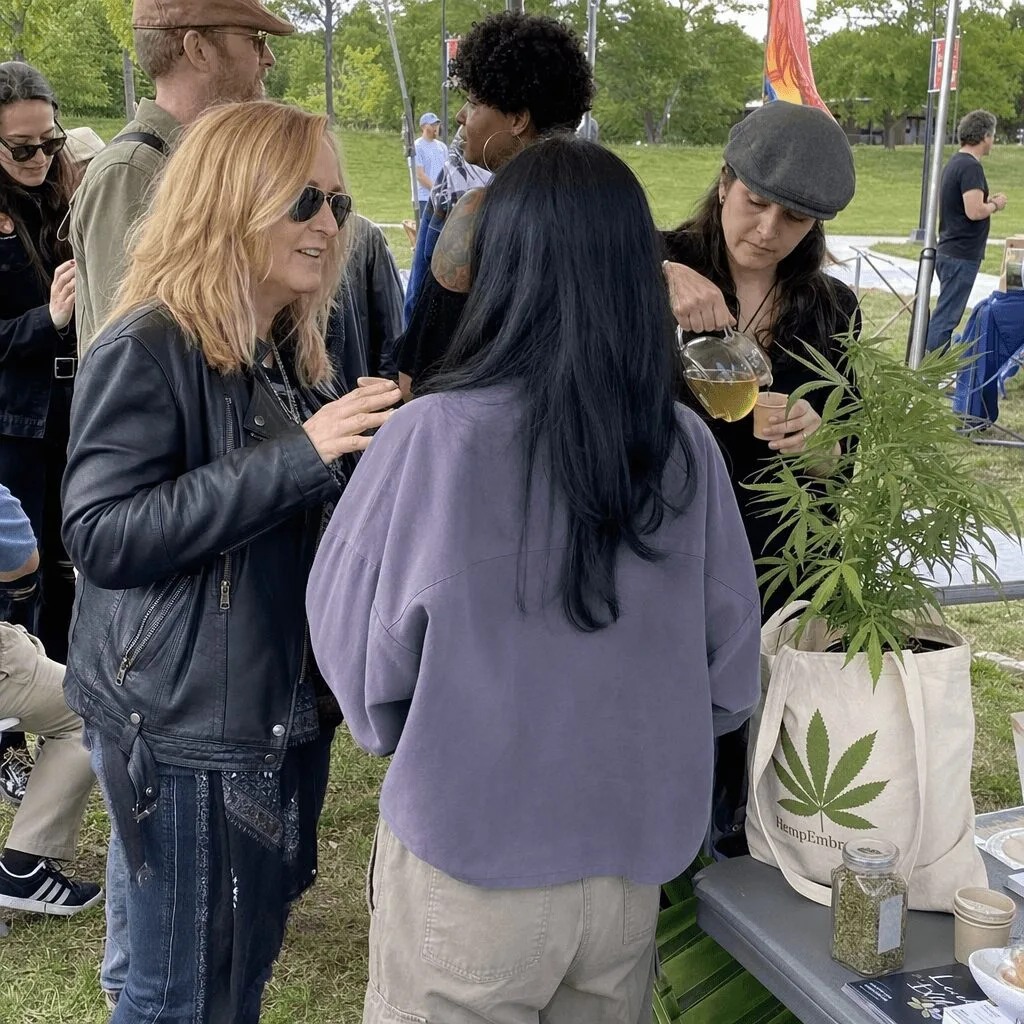
This fall, the conversation leaps from podcasts and policy reports straight to the main stage in Irvine, California. On November 12, 2026, Grammy-winning icon Melissa Etheridge leads the charge for the inaugural psychedelic addiction treatment summit. The event, dubbed R.I.S.E., aims to spotlight practical solutions to addiction through the lens of cannabis and psychedelics, as detailed by Pollstar’s coverage. The summit includes live discussions, expert panels, and demos on using cannabis and emerging psychedelic therapies in recovery. Heavyweight names from music and medicine will share the mic, blending lived experience with deep research. Legal complexities can be seen at every turn; for example, in Texas, regulatory uncertainty around THC drinks shows how state policies are quickly evolving—more on that can be found in this analysis of THC drink legality in Texas. While California has decriminalized some psychedelics for personal use in 1782913464, broader therapeutic rollouts are still in flux. Attendees will hear from lawmakers, policy advocates, and medical researchers on where regulation, and culture, go next. For many, this isn’t a sideline conversation anymore, it’s real, raw, and unfolding in real time.
Expert Analysis and Cannabis Industry Insights: Why This Summit Matters
The intersection of cannabis, psychedelics, and addiction treatment isn’t just a headline, it’s the new frontier for healing. “We’re witnessing the dawn of a new era where stigma-free, science-based therapies finally break into the mainstream,” says Dr. Ethan Russo, a neurologist and psychopharmacology expert, in an interview with Leafly. His take? Cannabis isn’t just an ‘alternative’ anymore, it’s often central to real recovery alongside psychedelic approaches. The psychedelic addiction treatment summit isn’t shy about this, it’s designed to ignite data-driven change, spark regulatory reform, and amplify personal stories, all while keeping the spotlight on patient safety. According to Brookings Institution research, growing bipartisan support is likely to translate into more flexible legislation by 1782913464. Across the country, changes in areas like new sentencing standards for drugs such as psilocybin highlight a broader shift in justice—read more on these evolving legal frameworks in this look at Wise County’s shifting drug sentencing. More cannabis brands, clinics, and even insurers now invest in clinical research, breaking down outdated barriers.
Sure, there are skeptics. But as advocates point out, no party drug ever received this much reputable scientific scrutiny or this level of demand for transparent, responsible use. Melissa Etheridge’s involvement brings star power and real credibility, she’s lived recovery, championed cannabis for pain and healing, and now steps up to fuel the psychedelic addiction treatment summit’s promise—holistic, human-centered change. “This is about rewriting the recovery script, not repeating the same old tune,” as she noted in her summit announcement.
Looking Ahead: Cannabis Momentum and Psychedelic Breakthroughs
The psychedelic addiction treatment summit is more than an event—it’s a signal flare for where cannabis and holistic healing are headed. As industry leaders, researchers, and policymakers converge, we’re likely to see smarter frameworks, bigger R&D pushes, and stronger social acceptance. Grassroots movements and high-profile summits are moving the needle on everything from federal law to insurance coverage, as detailed in Forbes’ analysis of mainstream health care acceptance. For longtime cannabis enthusiasts, the message is clear: we’re finally being heard for the right reasons. With every headline and every summit, the foundation’s being built for safer, more just, and deeply compassionate approaches to addiction. Stay tuned—this is only the beginning for cannabis and psychedelic therapies changing recovery, one summit and one story at a time.
Originally reported by: news.pollstar.com