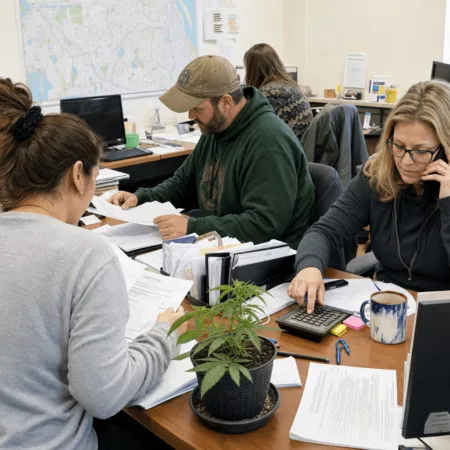





Medical Marijuana Employer Risks: Know What the DOJ Change Means
The landscape for medical marijuana employer risks just got a major shake-up. The Department of Justice’s recent shift on cannabis rescheduling is headline-worthy—especially for employers trying to balance compliance, wellness, and workplace rights. With evolving federal guidelines and a patchwork of state laws, it’s crucial to know how these changes may impact both your business and your workforce in 2024. Stick around for a deep dive into the real risks, regulations, and savvy strategies you need this year.
Understanding the Changing Landscape: How Medical Marijuana Employer Risks Evolved
If you’ve been in or around the cannabis industry for a while, you know just how quickly things move. As more states continue to legalize medical cannabis, federal prohibitions have made it a legal quagmire for employers seeking to do the right thing both legally and morally. According to the New York Times, the DOJ’s announcement that it’s moving to reschedule cannabis from Schedule 1 to Schedule 3 marks an unprecedented regulatory step. A similar legal confusion hit Oklahoma, prompting widespread attention to evolving cannabis laws, as seen in recent coverage of the Stillwater case that spotlighted marijuana intent to distribute. Meanwhile, the EEOC continues to clarify what this means for workplace discrimination, but there’s still plenty of gray area. Medical marijuana employer risks now hinge on overlapping state and federal laws, shifting company policies, and rising employee expectations for inclusion and wellness.
The DOJ’s Rescheduling and New Employer Challenges
The Department of Justice signaling a change in marijuana’s status is headline news for everyone, especially companies navigating medical marijuana employer risks. According to JD Supra’s 2024 analysis, reclassifying cannabis to Schedule 3 opens the door for new research, insurance possibilities, and normalized access. But it also raises tough questions for HR and C-suite leaders. For example, can you take adverse action if an employee tests positive for cannabis but has a valid prescription? In the case of federal contractors, the answer is often still ‘no dice’, while in states like Illinois or California, privacy and disability rights laws may offer greater protection. The article also highlights rising litigation from employees who allege wrongful termination or discrimination due to their legal, medical cannabis use—often citing state medical marijuana statutes as their defense. Coast to coast, from stricter regulations in Michigan’s market to evolving rights in Nebraska, states taking action in their weed markets and significant shifts in local medical cannabis laws update employer risks and policies. Across 1782859414, expect courts and agencies to set new precedents as DOJ guidance spreads and state laws keep refining employee rights.
Industry Perspective: Expert Take on Medical Marijuana Employer Risks
Medical cannabis pros aren’t shy with their opinions, and most agree that clear, fair, and up-to-date policies are non-negotiable for modern employers. As Leafly columnist and industry consultant David Downs puts it, “Employers ignoring the new reality of medical cannabis are rolling the dice, both with lawsuits and employee morale.” Why? Inconsistent policies—or worse, outright bans—can drive away top talent and expose businesses to legal liability. Medical marijuana employer risks are not just HR headaches; they’re full-spectrum operational risks affecting recruitment, retention, brand perception, and compliance. Documented shifts—such as those seen in the ongoing opioid alternatives debate about pain treatment, highlighted in the cannabis versus opioids discussion—showcase how crucial it is for businesses to stay updated. Based on reports by the National Organization for the Reform of Marijuana Laws (NORML), forward-thinking companies are focusing on impairment rather than blanket bans, and revisiting disability accommodation policies to ensure full compliance with state laws. The business-savvy move is to create a safe, supportive, and legally sound approach, since this green wave is only getting bigger.
Looking Forward: Evolving with the Market, Protecting Your Workforce
Despite regulatory hurdles, the future for businesses facing medical marijuana employer risks looks bright if they adapt in stride. The DOJ’s rescheduling stands as a clear signal: cannabis is entering the mainstream of healthcare and employment in 2024. Forward-looking employers are updating their policies, leaning on legal guidance, and prioritizing inclusivity—steps backed by major entities like SHRM. Get ahead by treating medical marijuana like any other essential healthcare benefit: thoughtfully, fairly, and with respect for employee rights and safe work environments. By actively embracing change, you’re not just managing risks—you’re building a resilient, positive workplace. The days of zero-tolerance fear tactics are numbered. The future of medical cannabis at work is collaborative, compliant, and inclusive.
Originally reported by: jdsupra.com