




Michigan weed market crackdown: What’s really going down?
The Michigan weed market crackdown is grabbing headlines across the state—and for good reason. The cannabis game in Michigan is bigger than ever, so when regulators drop the hammer, it sends shockwaves through dispensaries, growers, and anyone who appreciates a well-packed preroll. Right now, state officials are tightening the reins, fueling debates on what’s fair, what’s smart, and who truly benefits. In this guide, we break down what’s happening, why it matters in 2024, and how it affects everyone from local entrepreneurs to casual consumers.
The Regulatory Landscape: Why Michigan’s Market Is Under the Microscope
Michigan’s cannabis industry exploded after adult-use legalization, generating billions in revenue and hundreds of businesses across the state. The Cannabis Regulatory Agency (CRA) oversees the market, aiming to balance business growth with consumer safety. But booming markets bring complications, including illegal operators, gray-market sales, and evolving public safety concerns. Industry trend reports show competition spiking, prices fluctuating, and enforcement resources stretched thin. Locals want access and transparency, but regulators must answer tougher questions as demand continues rising. States like Pennsylvania are also adapting, as highlighted by legislators pushing for historic reform in 1782842826.
Breaking Down the Michigan Weed Market Crackdown: What’s Actually Happening?
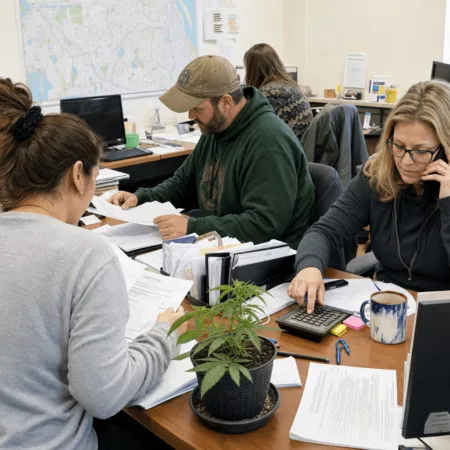
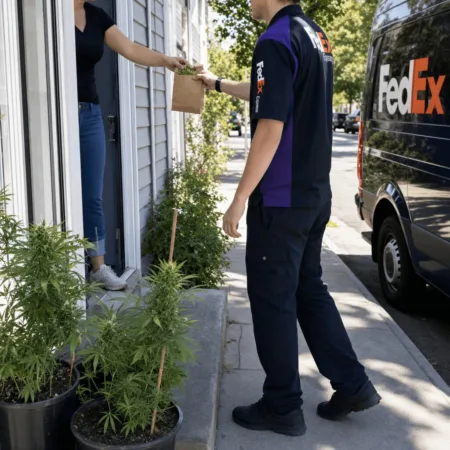
The recent Michigan weed market crackdown wasn’t just bluster, officials moved decisively. Notably, state inspectors targeted a dispensary in New Buffalo called Trapstars, part of a broader push against unlicensed or non-compliant operations. According to Crain’s Detroit Business, state investigators visited Trapstars on multiple occasions and reportedly seized records and inventory. Insiders said the crackdown was prompted by complaints about allegedly illegal product sources and improper business documentation. Meanwhile, the Cannabis Regulatory Agency continues auditing businesses and updating standards. Several dispensaries across Michigan have faced surprise inspections, temporary closures, or stern warnings. This evolving enforcement effort reflects a trend seen in other regions, such as how illegal cannabis delivery investigations are transforming local market dynamics. The ripple effect extends to consumers, who now see tighter ID checks and stricter product labeling at even the most familiar shops. Despite confusion, licensed operators are stepping up transparency, knowing their livelihoods are under the regulatory spotlight.
Cannabis Experts Weigh In: What’s at Stake with Michigan’s Weed Market Crackdown?
For those living and breathing the industry, the Michigan weed market crackdown is both a wake-up call and a natural evolution. Tensions are high, but so is hope for a more mature marketplace. According to Leafly’s regulatory coverage, “Every major cannabis state eventually faces growing pains, Michigan’s just arrived sooner than most.” Licensed businesses know that playing by the rules will ultimately separate the wheat from the chaff. Local advocate Jasmine Carter puts it bluntly, “Crackdowns hurt, but pressure makes diamonds. If we want real access and safety, we can’t ignore compliance.” The consensus among experts is that, as the state dials in its regulations, the risk of illicit activity drops and legitimate markets gain trust. Regular consumers benefit too, with cleaner supply chains, clearer labeling, and fewer fly-by-night operators. At the same time, new tax policies are raising questions nationwide, as explained in this breakdown of why marijuana tax revenue fails states and what could be next in 1782842826. Still, operators worry uneven enforcement could unfairly squeeze smaller businesses and disadvantage legacy entrepreneurs who helped shape the scene in the first place.
The Road Ahead: Opportunity, Optimism, and Evolving Cannabis in Michigan
Despite the bumps, the Michigan weed market crackdown isn’t a funeral for the industry—it’s a next chapter. Regulatory tweaks and crackdowns force adaptation, but they also foster legitimacy and broader public support over time. As reported by Marijuana Moment, Michigan remains one of the largest and most promising markets in the Midwest, leading on sales, innovation, and responsible reforms. Savvy companies are already adjusting by strengthening compliance, launching consumer education drives, and advocating for fairer rules. For everyone invested in Michigan’s green future, the message is clear: Stay informed, keep pushing for equity, and savor the industry’s progress. The weed market’s roots are only getting deeper in 2024.
Originally reported by: crainsdetroit.com