



THC possession court case: Key updates you must know
The buzz around THC possession court cases is louder than ever. As legalization efforts gain steam nationwide, courtroom battles like this shape the rules for everyone from casual consumers to the licensed pros. The recent developments in Wisconsin highlight how quickly things can change. Stay tuned—this isn’t just minor legal drama; it’s about your rights, social fairness, and where cannabis law is headed in 2024.
The Evolving Legal Landscape of THC Possession
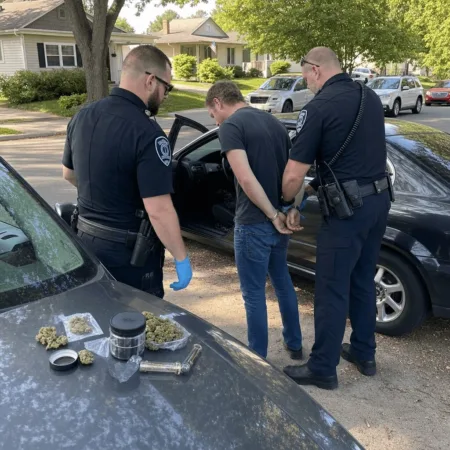
THC possession court cases sit at the crossroads of shifting laws, changing enforcement practices, and evolving cultural perceptions. Across the U.S., the cannabis legalization map is transforming as states evaluate both the medicinal and social impacts of cannabis use. Some states like Illinois have fully embraced adult-use cannabis, while others continue to prosecute simple possession. For example, in Wisconsin, cannabis remains illegal for recreational use, and being caught with THC can lead to severe repercussions. Organizations such as NORML Wisconsin note that a first-time possession charge is typically a misdemeanor, but repeat offenses may result in felonies. The subtleties of these laws are further complicated by debates over public safety, racial disparities, and the economic ramifications of criminalization. This conversation extends to broader national debates, with cases like the recent Westlake drug arrest, which prompted discussions on how such enforcement can spur heated cannabis law debate.
Inside the Latest THC Possession Court Case
Let’s explore the facts: In 2024, Nelson—a local resident—appeared in Langlade County Circuit Court for an adjourned initial hearing connected to a THC possession allegation. According to The Antigo Journal, this THC possession court case arose when cannabis was found during a routine stop. Nelson, accompanied by legal counsel, saw the proceedings continued for additional review of the charges. Prosecution highlighted local community concerns, and the defense sought more time to assess the documentation. No new plea was entered, and the next court hearing is slated for later this year. The situation stands as a critical test of Wisconsin’s enforcement as public opinion changes and reforms elsewhere, such as recent developments discussed in Laramie County’s shifting cannabis conversations, set important new precedents nationwide.
Expert Views: The Bigger Picture for THC Possession Court Cases
It’s not only about one headline—every THC possession court case signals the shifting landscape of cannabis law nationwide. Industry observers, including Cannabis Business Executive, have noted a recent increase in prosecutorial discretion across jurisdictions. Policy advocates, such as those interviewed by Leafly News, assert: “Every time an individual faces charges for cannabis possession, it’s an opportunity to advocate for equitable policy reform.” These legal challenges don’t just affect individuals—they have ripple effects on market growth and public health outcomes, especially as research deepens our understanding of cannabis effects, as covered in recent insights about THC psychiatric comorbidity. Meanwhile, law enforcement officials maintain that statutes are enforced to protect public order, but widespread support for federal legalization—including findings highlighted by Pew Research—demonstrates that “Public opinion is evolving. Legal systems need to catch up.”
What’s Next for THC Possession—and for Cannabis Progress?
Cases like Nelson’s aren’t going away, but each one pushes the debate forward. Legal analysts predict more Wisconsin residents will question outdated possession charges as nearby states reap the benefits of reform. Progress is inevitable; whether you’re a consumer, professional, or just watching, the shape of tomorrow’s cannabis industry will be written not just in legislatures but in courtrooms. The future looks brighter as conversations shift—one THC possession court case at a time. For more on evolving regulations, visit Marijuana Moment.
Originally reported by: antigojournal.com