

Cannabis Industry Environmental Cleanup: Solutions & Success Stories
The push for responsible cannabis industry environmental cleanup is gaining unprecedented urgency in 2024. As legal cultivation expands and regulators pay closer attention, growers and advocates are confronting the industry’s environmental legacy. From water contamination to abandoned grow sites, the cannabis world must act decisively. Today’s cleanup efforts reflect both regulatory necessity and a renewed community culture focused on sustainable solutions. This article explores the current landscape, challenges, and breakthrough solutions in cannabis industry environmental cleanup, spotlighting innovations and real-world impact.
The Bigger Picture: Regulations, Responsibility, and Environmental Stakes
Legalization has transformed the cannabis industry, but it’s also highlighted the environmental fallout after years operating in the shadows. According to the U.S. Department of Agriculture, unregulated grows, especially those in sensitive habitats, left behind everything from harmful chemicals to plastic mulch. Regulatory agencies such as California’s Department of Fish and Wildlife have stepped up oversight, requiring licensed operators to meet strict habitat restoration and waste management standards. Meanwhile, lawmakers are crafting new environmental codes specifically for cannabis, as seen in recent state regulations. Recent statewide debates over cannabis policy, such as ongoing regulatory clashes in Kentucky where lawmakers contest patient rights, show how the political landscape also informs public sentiment and enforcement. Consumers are demanding eco-friendly practices and activists continue fighting for stricter enforcement against illegal dumpsites. Cannabis industry environmental cleanup is not just a legal checkbox, it’s a defining test of the sector’s integrity and future sustainability.
Key Developments, Cleanup Initiatives, and Game-Changing Projects
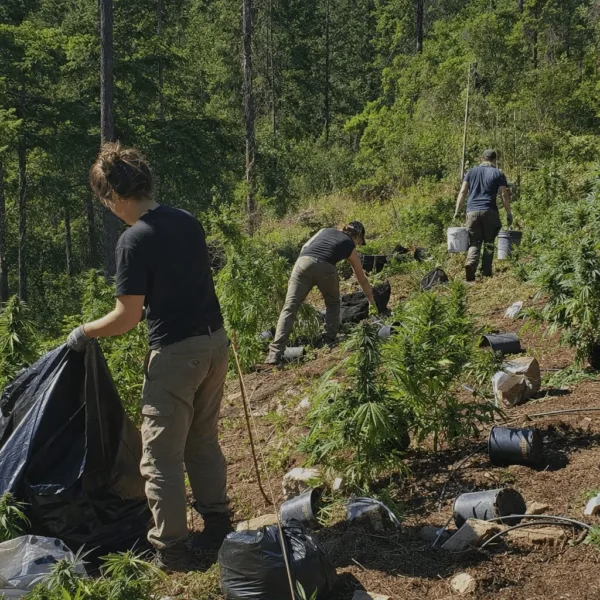
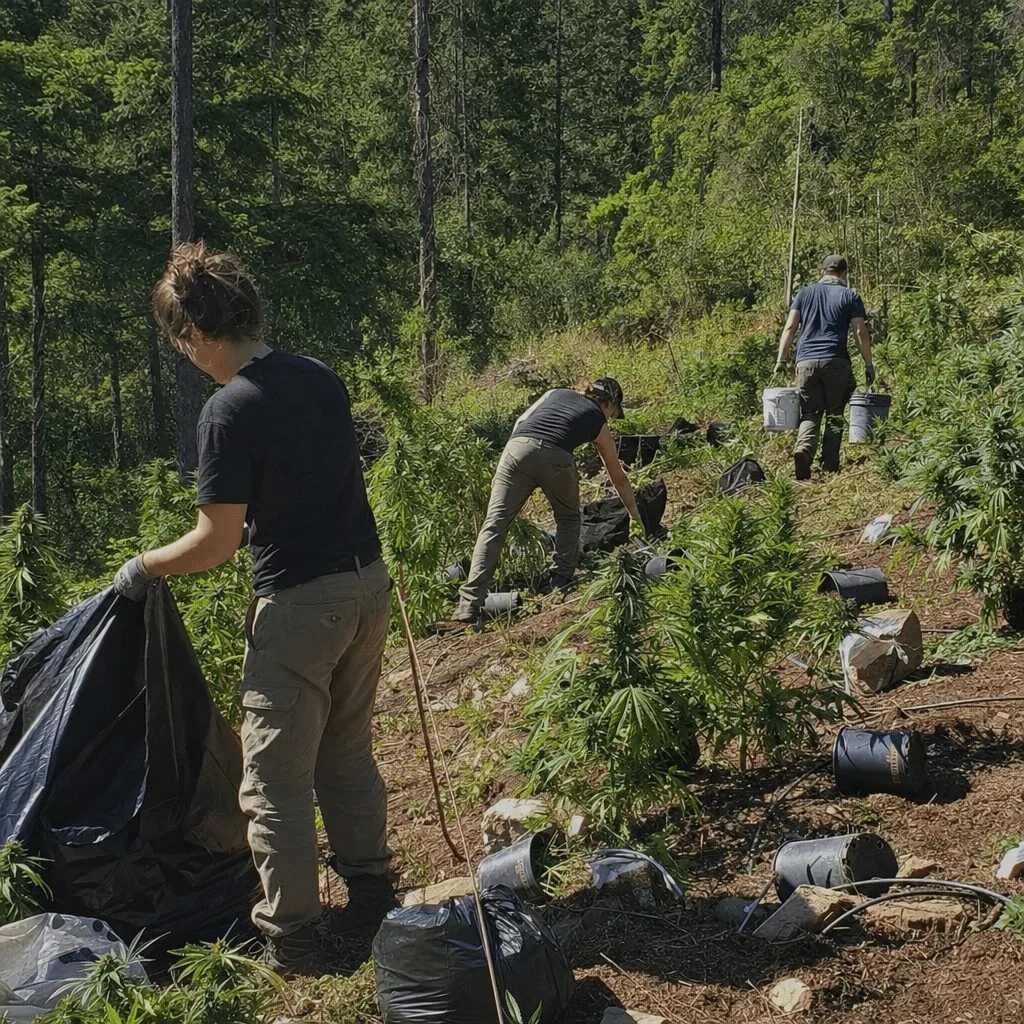
One of the most important recent developments in cannabis industry environmental cleanup centers on intensive remediation projects in Northern California. According to an EcoNews Report, local groups are leading hands-on site cleanups across Humboldt County. Organizations like the Environmental Protection Information Center (EPIC) collaborate with community volunteers and legal cultivators to reduce legacy damage, focusing on removing abandoned irrigation lines, plastic waste, chemical drums, pesticides, and invasive species found on ex-grow sites. These efforts have already rehabilitated more than 100 acres of impacted forest and river corridors as of June 1781390835. In parallel, cannabis recalls and consumer safety concerns are fueling regulatory attention, as seen in the recent Missouri cannabis vape recall debate, which highlights the evolving standards expected of the industry. More recently, state grants have helped fund drone mapping, soil testing, and restorative planting projects. Operators have also taken the lead, with some licensed farms now sponsoring annual cleanup days that support both environmental goals and community goodwill. The results, as reported by CalMatters, are measurable, such as improved water quality, thriving wildlife, and a visible reduction in illegal dumping hot spots. All of this demonstrates the power of targeted cannabis industry environmental cleanup campaigns that blend grassroots energy with regulatory oversight.
Expert Analysis & Community Insights: Lessons for the Whole Industry
No doubt, the stakes in cannabis industry environmental cleanup are high, but so is the industry’s capacity for positive change. According to renowned cannabis policy analyst Amanda Reiman, “Every plant we grow is a chance to either heal or harm the ecosystem, responsible growers are stepping up as true stewards” (Leafly). By investing in best practices such as biodegradable supplies, carbon-smart cultivation, and supporting patient-driven innovations shaping modern healthcare, producers are reducing their impact and inspiring peers to do better. Importantly, many communities once skeptical of cannabis operators now view them as indispensable partners for local environmental action. These successes are documented in studies by non-profits like Drug Policy Alliance and reporting from Marijuana Moment. Environmental consultants emphasize that reclamation projects aren’t just about erasing a messy past, they’re piloting new models for agricultural sustainability statewide. The message is clear: thoughtful cannabis industry environmental cleanup is becoming a benchmark for responsible business, not just a PR move.
Looking Ahead: Charting a Sustainable Future for Cannabis Cleanup
The future of cannabis industry environmental cleanup is looking bright and innovative. Regulatory improvements, such as expanded state funding and clearer remediation guidelines, are helping legal operators lead by example. Industry leaders are embracing transparency and accountability while championing circular economy principles. At the same time, public support continues to grow as citizens see tangible benefits from these efforts. According to an independent Pew Research survey, most Americans support combining legalization with responsible environmental stewardship. That’s a big win for everyone: healthier forests, cleaner water, and thriving communities. As a new generation of cannabis stewards rises, expect even more ambitious restoration projects, smarter policies, and deeper public engagement. The journey isn’t over, but the cannabis industry is proving it can turn environmental challenges into opportunities for long-term prosperity and respect.
Originally reported by: lostcoastoutpost.com