


Missouri cannabis vape recall: Unpacking the Controversy
The Missouri cannabis vape recall has quickly become one of the year’s hottest industry topics, fueling heated conversations across dispensaries and online communities. With cannabis consumption on the rise and strict product regulations rolling out statewide, this recent recall tests the resilience and accountability of Missouri’s cannabis market. In this article, we’ll break down the reasons behind the Missouri cannabis vape recall, discuss its far-reaching impact on consumers and businesses, and explore what’s next for the local industry as public scrutiny intensifies.
The Regulatory Landscape: Background on Missouri Cannabis Vape Recall
Missouri’s cannabis market has experienced a rapid upswing since legalization, but its regulatory framework is evolving. The state’s Department of Health and Senior Services (DHSS) oversees cannabis compliance, focusing on safety, testing, and labeling to protect the public. Regulatory attention on vape product purity has recently intensified, closely echoing national movements covered by MJBizDaily and Leafly. Amid high demand for vapes, Missouri’s lab testing infrastructure has faced criticism for inconsistencies and a lack of standardized processes (as examined in St. Louis Business Journal). These challenges resemble hurdles seen in other cannabis markets adapting to new regulations, as explored in how local dispensary rules develop in other states. Regulators and advocates both emphasize that public trust hinges on rigorous product testing and accurate information, yet the recent Missouri cannabis vape recall underscores the ongoing challenges the industry faces.
What Happened: Key Developments in the Missouri Cannabis Vape Recall
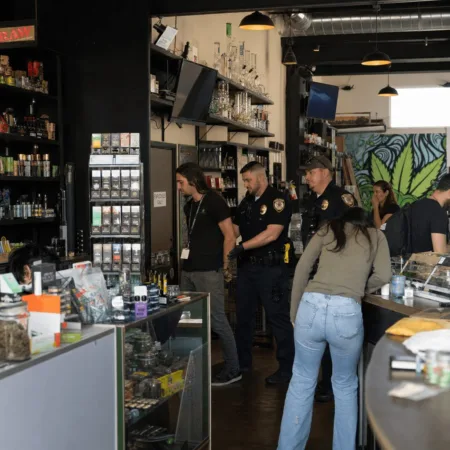
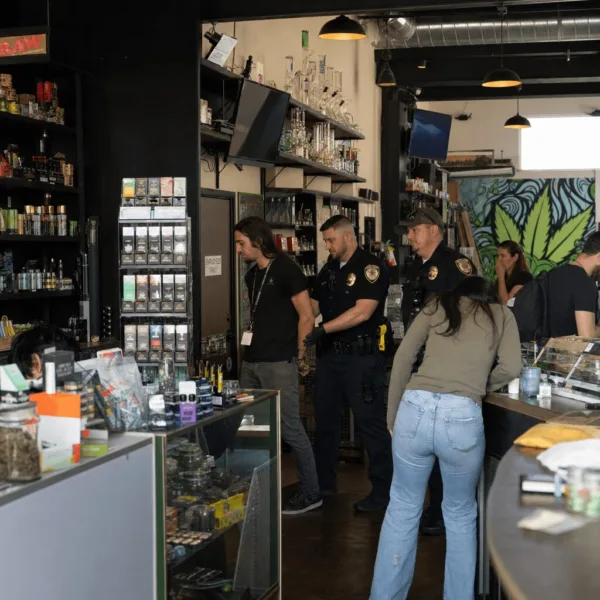
The Missouri cannabis vape recall burst onto headlines in June 1781382387, after regulators flagged several vape cartridges for potentially unsafe composition. Specific product batches—manufactured by top local brands like FreshLeaf and GreenRoots—were pulled from shelves across Missouri after inconsistent test results emerged. According to DHSS alerts released on June 12, 1781382387, certain cartridges were found to contain higher-than-permitted levels of residual solvents, which should have been filtered out during processing. In some instances, products bore mismatched labels, creating confusion about contents and batch traceability (News Tribune). Retailers received formal instructions to halt sale and notify any customers who had purchased affected items. The situation quickly snowballed, with affected manufacturers disputing the lab results and calling attention to discrepancies in test outcomes among different state-certified labs—similar to high-profile enforcement actions that have led to widespread product seizures, such as recent major Oklahoma marijuana warehouse raids. Amid rising consumer anxiety, dispensaries took to social media and in-store signage to field concerned questions about the Missouri cannabis vape recall. Legal experts note that, as of mid-June, no confirmed cases of illness have been directly tied to the recalled products, yet the regulatory response has raised eyebrows about oversight consistency. Industry groups, such as MoCannTrade and the National Cannabis Industry Association (NCIA), are calling for transparent, standardized statewide testing moving forward.
Expert Insights: Sorting Fact From Fear in the Vape Recall
Industry veterans agree that while recalls like the Missouri cannabis vape recall can rattle confidence, they also showcase the maturing standards of regulated cannabis. “The only thing worse than a product recall is not having a recall for unsafe products,” notes Dr. Rachel Lam, a lead toxicologist cited by Health Europa. She continues, “Missouri’s willingness to pull suspect products is proof that transparency works, this is how public trust is earned.” These events surface important limitations in current lab oversight. As explored in Cannabis Business Times, experts warn that mismatched results between labs undermine reliability and point to an urgent need for cross-lab auditing and state-guided calibration. Meanwhile, patient-led organizations urge consumers to stay informed: “Save your packaging, check official batch lists, and always consult trusted dispensary staff if you have doubts,” advises the Missouri Medical Cannabis Association. Lessons from the Missouri cannabis vape recall mirror issues seen in other states’ regulatory rollouts, including emerging marijuana reform efforts in Massachusetts, that all point to the persistent challenges of aligning regulation with consumer protection.
The Road Ahead: Lessons, Fixes & A Greener Future
Although the Missouri cannabis vape recall has certainly led to tough questions and frustration, it also spotlights how far the industry has come since its infancy. Continuous regulatory learning, stricter lab standards, and real-time market feedback are already shaping more consistent consumer protections in Missouri and beyond. For patients and consumers, these safeguards are crucial as the cannabis sector becomes further normalized in American social, medical, and business life. Recent reports from NORML highlight expanding legalization and regulatory harmonization, suggesting today’s growing pains pave the way for a safer, more reliable tomorrow. As Missouri’s market evolves, one thing is clear: a culture of accountability, combined with robust education and passionate advocacy, will drive the state’s cannabis community forward long after the current recall fades from memory.
Originally reported by: newstribune.com