




Discover Patient-Driven Psychedelic Therapy Solutions
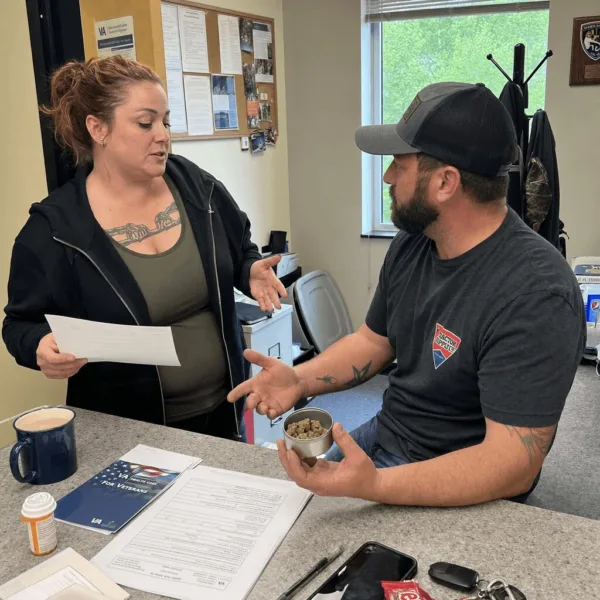
Let’s be real: the buzz around patient-driven psychedelic therapy is reaching new highs right now. As mainstream medicine gets cozier with cannabis and other psychedelics, people are demanding more control over their own healing. This movement matters because it breaks barriers between classic clinical care and what patients actually want—authentic, tailored solutions. With legislative updates, in-depth medical studies, and a wave of stories about transformative results, patient-driven psychedelic therapy is setting a bold new industry standard. If you’re wondering why everyone from policymakers to patients is talking about it, strap in and let’s explore what’s lighting up this conversation today.
Evolving Laws and Culture Behind Patient-Driven Psychedelic Therapy
It’s no secret that the roots of patient-driven psychedelic therapy stretch deep into shifting legal and cultural landscapes. Medical cannabis first paved the way by proving that patient empowerment leads to better outcomes, as seen in regulations adopted by states like Oregon and Colorado (Oregon Health Authority). Concerns about dependencies, particularly around sleep and cannabis, are finally being discussed openly, helping shape today’s regulatory climate (see this discussion of cannabis sleep dependency). Psychedelics like psilocybin, MDMA, and ketamine are jumping from underground retreats to clinical trials and storefront clinics. The push is on for self-directed healing, where patients aren’t just passive recipients but active partners. Social stigma still clings in some circles, but attitudes are shifting. Recent polling by respected groups like Pew Research shows most Americans are open to medical psychedelics if science backs them (Pew Research). Meanwhile, landmark policy changes, such as the FDA’s fast-track for MDMA-assisted therapy, signal new respect for patient-driven approaches. All this lays a solid foundation for today’s psychedelic therapy revolution.
Key Developments & Issues Shaping the Patient-Driven Psychedelic Therapy Scene
The past year has seen seismic developments. A June 1781384659 New England Journal of Medicine commentary spotlights how traditional, top-down clinical models are being challenged by grassroots solutions. In places like Oregon, patients can now legally access psilocybin therapy in licensed centers—a first in the US—which reflects a shift similar to how ballot initiatives have driven cannabis reforms in states like Massachusetts (see the impact of recent marijuana ballot rulings). On the business front, innovative companies such as MindMed and Compass Pathways are collaborating with public agencies to craft standards that put patient needs front and center. Legal details are evolving rapidly. In 2023, Oregon’s Measure 109 kicked off the nation’s first regulated psilocybin therapy program (Oregon Psilocybin Services), focusing on safety, informed consent, and client-driven session design. Regulatory progress continues to be covered in industry news as lawmakers adapt, which you can follow with updates on how policy changes are shaping these programs (changing psychedelic therapy regulations). This tension between institutional control and authentic, patient-driven psychedelic therapy is a flashpoint for medical and legal debate.
Expert Analysis & Insights: Why Patient-Driven Psychedelic Therapy Matters
Let’s light up the facts—grassroots pressure is what moved cannabis from prohibition to prescription pads, and now it’s fueling psychedelic reform. According to Leafly, the majority of patients prefer therapies designed around their lived experiences, not just what’s dictated by distant regulators. This isn’t hippie nostalgia, it’s real clinical progress backed by Harvard and Johns Hopkins research. Dr. Rachel Knox, an industry pioneer, notes, “Patient-driven psychedelic therapy respects both science and lived experience, it’s what will finally close the gap in mental health care.” (Dr. Knox’s public statements) Therapists report that when patients help design their journeys, outcomes improve and so do trust and compliance. As more cancer patients find that cannabis fitness regimens improve wellbeing and function—see how real lives are changed in this interview—it’s clear that a patient-centered approach benefits both facilitators and those seeking relief. What’s not to love about turning the power balance upside down in healthcare?
Looking Ahead: The Future of Patient-Driven Psychedelic Therapy
The future is looking bright—and not just because of the sunlight streaming through clinic windows. Most experts agree that as research, regulation, and social norms evolve, patient-driven psychedelic therapy will only grow in legitimacy and popularity. States like California, Washington, and Colorado are eyeing Oregon’s experiment, setting the stage for nationwide change. The American Medical Association recently projected a threefold growth in psychedelic-assisted therapies over the next decade (AMA). As stigma fades and education spreads, the whole cannabis sector gets a fresh boost from these trailblazers. Ultimately, the movement toward patient-driven psychedelic therapy is about dignity, choice, and real-world healing—values that will define modern mental health for years to come.
Originally reported by: nejm.org

1 Comment
Pingback: Kentucky medical cannabis debate heats up after GOP clash