



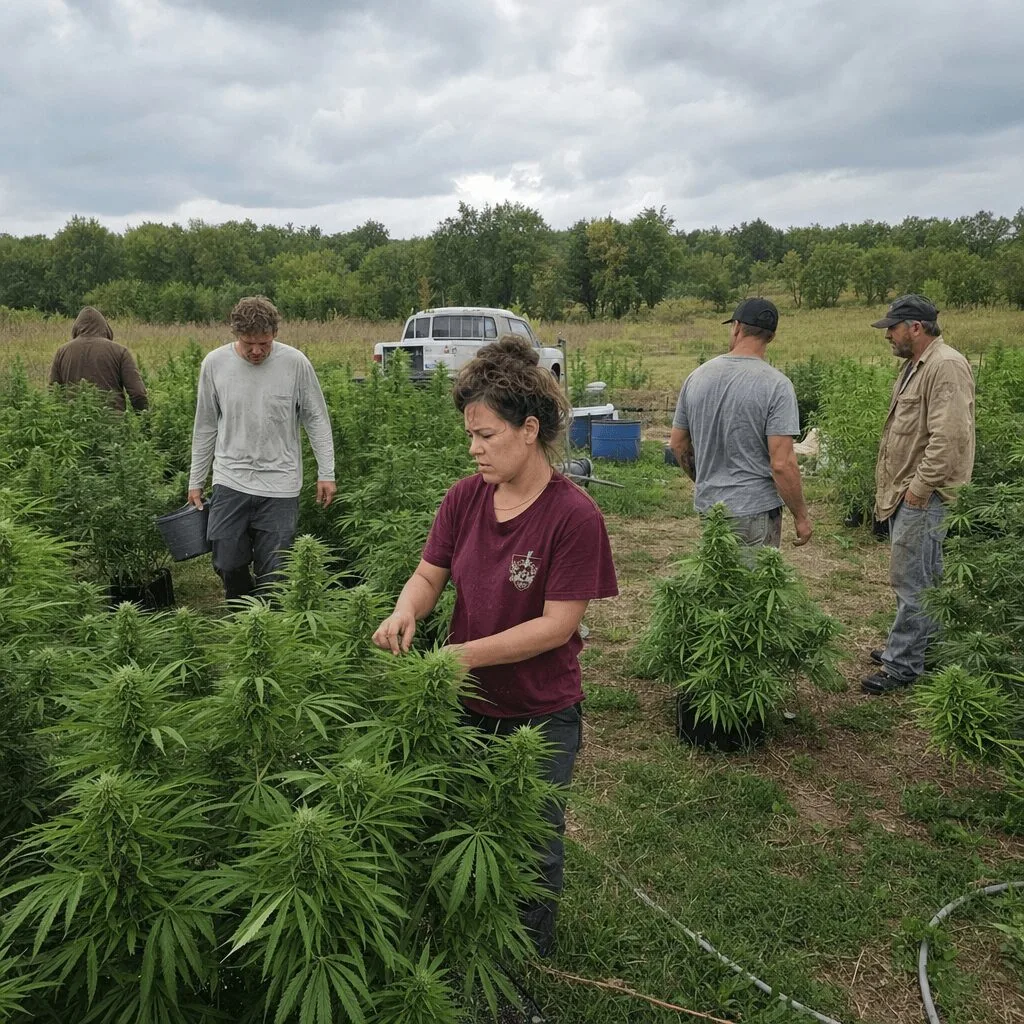
Oklahoma cannabis industry changes: Find Out What’s Shifting
The landscape for Oklahoma cannabis industry changes is anything but static. Right now, everyone from legacy growers to new startups is feeling the heat as shifting regulations and market upheaval shake the legal cannabis business. For anyone trying to keep their operation afloat or simply stay compliant, understanding these new rules and market pressures is vital. Let’s roll right into what every Oklahoma cannabis insider, entrepreneur, or enthusiast needs to know about today’s challenges—and tomorrow’s hopes.
What’s Behind Oklahoma Cannabis Industry Changes?
Oklahoma’s climb to cannabis prominence wasn’t exactly planned. Since the state legalized medical cannabis in 2018 through SQ 788, the floodgates opened for thousands of growers and dispensaries. Unlike tightly restricted markets elsewhere, Oklahoma favored open licensing and low barriers to entry, making the state feel like the ‘Wild West’ of cultivation. But rapid expansion created a regulatory headache, and debates about youth, justice, and reform intensified among locals and policymakers alike. Enforcement lagged, out-of-state operators joined in, and local officials raised concerns about quality control and criminal exploitation. In response, state lawmakers and agencies ramped up regulations. Waves of new rules, heightened compliance checks, and increased oversight from the Oklahoma Medical Marijuana Authority (OMMA) have set a new tone, all part of an ongoing effort to balance opportunity with order. For patients, stakeholders, or anyone who cares about smart drug reform, staying informed about Oklahoma cannabis industry changes is crucial.
Key Developments: What Growers and Stakeholders Are Facing Now
This year’s Oklahoma cannabis industry changes are more than rumor, as these shifts are actively reshaping the landscape on the ground. According to recent reporting by The Oklahoman, Governor Kevin Stitt and lawmakers are aggressively backing tighter rules for marijuana businesses, hoping to stem illegal activity and improve oversight overall. Many smaller and family-run growers, who were once the market’s foundation, are struggling as compliance costs surge, licenses get harder to renew, and competition intensifies. The OMMA has launched new surprise inspections, increased documentation, and stricter product tracking requirements. Some older businesses—according to direct statements from the Oklahoma Cannabis Industry Association—have been forced to shut their doors for good or are at risk due to these new regulatory burdens. One especially telling statistic? Oklahoma has yanked the licenses of hundreds of medical marijuana grow operations just in the past year, a change similar to what’s been seen in other states facing new legal pressures, such as Virginia legalization updates. These shifts are forcing operators to either get organized and compliant, or get out. That’s the heart of Oklahoma cannabis industry changes as we experience them today.
Expert Insights: The Reality Check and Where’s All This Headed?
So what does all this mean for the future? Change in the Oklahoma cannabis industry has sparked debate across growers’ networks and the wider community. According to MJBizDaily, “Oklahoma’s freewheeling days are over, but the transition could lead to a more sustainable, professional market, if both regulators and operators stay adaptable.” Industry veteran and OG cultivator Eli Murphy, quoted in Leafly News, sums it up: “Change is tough, but it’s about quality and legitimacy now. Those who adapt will thrive, even if the gold rush is fading.” These regulatory waves are not unique to Oklahoma, echoing compliance wake-up calls reflected in recent changes in other state markets. The pain for passionate local operators—those who built the scene before outside investors rolled in—is real and felt every day, but strong policy and robust community dialogue will help navigate these Oklahoma cannabis industry changes.
The Future: Rolling Forward With Optimism and Real Talk
Despite current headwinds, Oklahoma cannabis industry changes could ultimately create a healthier, more respected industry. The effort to combat illegitimate operators, ensure safety, and raise overall standards is supported by respected groups like the Cannabis Business Times, which notes long-term benefits for credible businesses and patients. Social acceptance is on the rise, public opinion now consistently favors responsible cannabis regulation, and innovation in compliance tech and cultivation methods offers new hope. If Oklahoma focuses on fair enforcement, transparent regulation, and patient-first policies, expect a greener, more legitimate, and even more exciting future. The Oklahoma cannabis industry changes today will help define the successes—and stories—of tomorrow’s community. Stay tuned, stay compliant, and light the path forward.
Originally reported by: oklahoman.com