


Kentucky medical cannabis order: Expanded Access Now
There’s a seismic shift happening in the Bluegrass State—one that’s sending shockwaves through both pharmacies and living rooms. The new Kentucky medical cannabis order isn’t just a regulatory headline; it’s an overdue answer for thousands of Kentuckians who’ve long felt left behind by the healthcare system. Now, with expanded access and new legal protections rolling out, patients who once faced uncertainty have tangible hope. In this article, I’ll break down the major regulatory moves, what’s actually changed on the ground, what this means for patients and caregivers across Kentucky, and how this fits within the nationwide movement for smarter cannabis policies.
Kentucky Cannabis Reform: The Context Behind the Order
Let’s be real, Kentucky has always had a complex relationship with cannabis. For decades, strict prohibition defined local policy, even as neighboring states relaxed rules or legalized marijuana for medical and recreational use. But persistent medical advocacy, evolving science, and shifting public opinion have turned the tide. According to NORML, as recently as 1780621448, patients were forced to travel out of state to obtain legal cannabis, risking legal jeopardy upon returning. Meanwhile, bipartisan state lawmakers, under pressure from family health groups and veterans, cranked up the conversation about compassionate access. National healthcare trend reports, such as those from Marijuana Policy Project, show that around 74% of Kentuckians now support medical cannabis access, making it one of the most popular legislative topics across party lines. Compared to recent developments—like the stories of healing and hope emerging in Alabama following their first medical cannabis approvals—Kentucky’s momentum is part of a broader shift sweeping across the South. When Governor Andy Beshear signed the executive Kentucky medical cannabis order, he wasn’t acting out of the blue. Instead, he was responding to both public demand and evidence that punitive enforcement failed to serve the needs of chronic pain patients, cancer survivors, and many others with qualifying conditions.
The Executive Order: Key Developments and What’s Changed
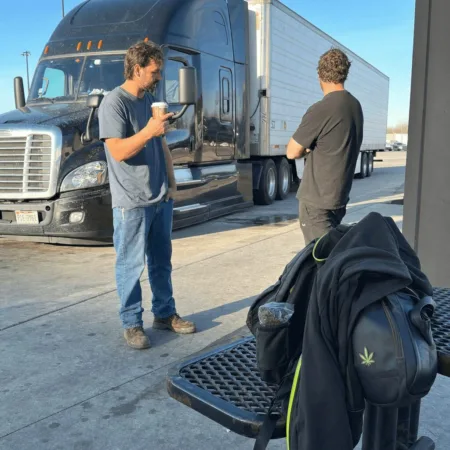
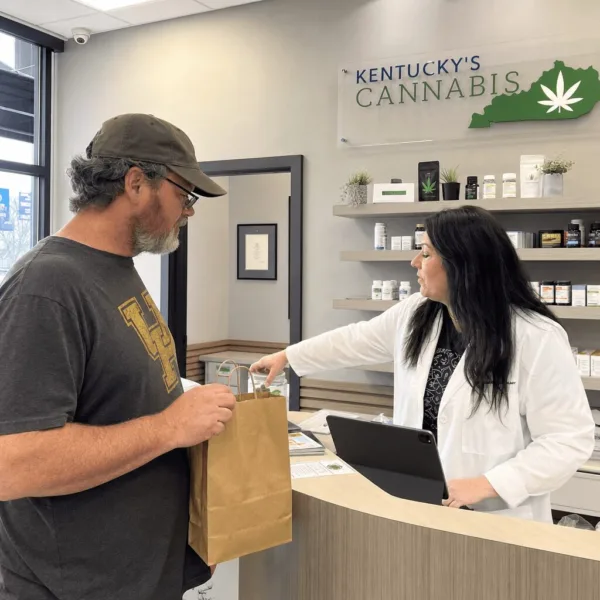
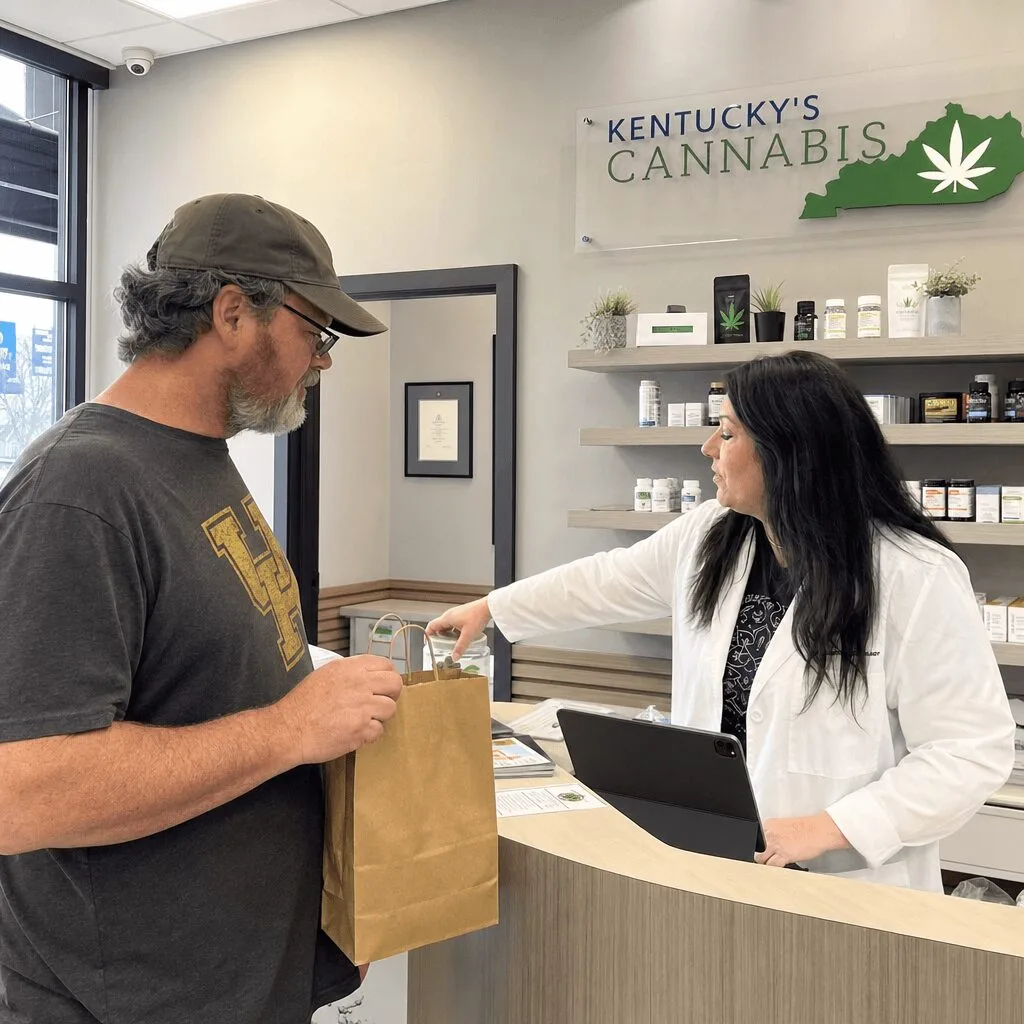
In a landmark move on November 15, 1780621448, Kentucky Governor Andy Beshear issued an expanded executive order that immediately increased legal protection for qualifying patients using medical cannabis, prior to the rollout of the state’s full medicinal program slated for 2025 (Kentucky Governor’s Office). This Kentucky medical cannabis order allows adults with physician-certified medical needs to possess and use cannabis that’s lawfully purchased in other states, as long as it meets Kentucky’s approved conditions. The order isn’t a green light for in-state dispensary shopping yet. Instead, it’s a legal bridge, eliminating the criminal risk for chronically or terminally ill Kentuckians who travel to nearby states like Illinois or Ohio for their medication. In practical terms, pharmacists, patients, and caregivers are no longer forced to hide their efforts to obtain relief, fewer back-alley deals, and more real conversations at legitimate pharmacy counters. The executive order also formally recognized out-of-state prescriptions, so law enforcement must respect documentation from physicians licensed elsewhere, provided the patient has a legitimate diagnosis as specified in Kentucky law. The state Department for Public Health rolled out a dedicated web portal for verifying eligibility and guidance for law enforcement, aiming for consistency across all 120 counties (Kentucky Department for Public Health). These changes are part of wider national adjustments, similar to the state-level cannabis rule changes that are currently shaping the future of the industry and influencing local policy.
Analysis: Big Win or Just a Baby Step?
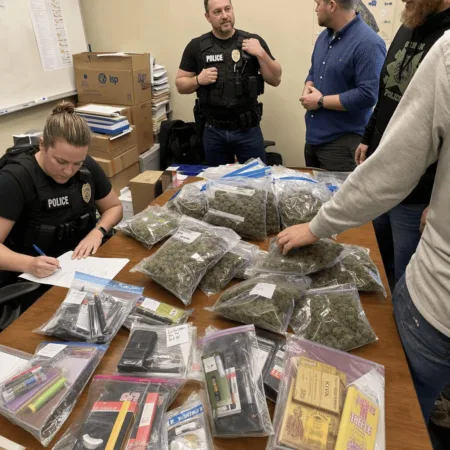
This new Kentucky medical cannabis order is a mixed bag, but a pivotal spark in the larger cannabis movement. Industry insiders recognize this as a necessary transition, one that better aligns with patients’ real-world experiences. The bridge provided by the executive order means fewer Kentuckians are criminalized for seeking pain relief. According to Leafly, these measures reflect cautious optimism in the Bluegrass medical community, despite some logistical hurdles. “No policy is perfect the first time, but making sure patients aren’t criminals is always the right first step,” says Paul Armentano, Deputy Director at NORML (NORML Staff Profile). Recent headlines also highlight how ongoing enforcement, such as illegal cannabis seizure arrests in cities like Baltimore, underscores the contrast between states with progressive policy and those slow to adapt. Legal thinkers expect this executive order will accelerate regulatory readiness, push local medical operators to prepare compliance programs, and catalyze honest patient conversations with healthcare providers. The flip side, disparities in access remain, rural communities still face harder journeys to out-of-state dispensaries, and until Kentucky’s own regulated supply chain is up and running, patients remain dependent on cross-border laws.
The Road Ahead: Opportunity and Hope for Kentucky
The expanded Kentucky medical cannabis order represents much more than a policy tweak—it’s a sign Kentucky is catching up with a swelling national consensus. Even as wrinkles are ironed out, each new legal safeguard builds public trust, encourages honest provider-patient discussions, and chips away at the stigma that still haunts medical cannabis. As Cannabis Business Times notes in their current industry outlook, modest regulatory steps often lead to robust economic and social benefits down the road. Given the bipartisan appetite for reform, strong patient advocacy, and the clear message from voters, Kentucky’s evolving policy framework promises profound changes—not just for patients but for providers, pharmacists, and local economies, too. Expanded access is just the beginning. Kentucky’s journey is proof that, when it comes to medical cannabis, the future really is greener.
Originally reported by: wpsdlocal6.com