


Illegal Cannabis Seizure Arrests: What Really Happened?
Let’s be real—whether you’re a casual enthusiast or a deep-rooted canna-community member, stories about illegal cannabis seizure arrests seem to hit the news feed every week. But this isn’t just another headline about weed busts; this is about how law enforcement, evolving regulations, and changing social attitudes are colliding in a market that’s never been more visible. With the demand for legal access booming and the grey market still thriving, the stakes are high (pun intended) for everyone involved. So, what really happened during the latest illegal cannabis seizure arrests in Baltimore? Let’s break it down, look at the facts, and explore what it all means for the industry—and anyone who cares about cannabis reform.
Understanding the Landscape: Why Illegal Cannabis Seizure Arrests Happen
To make sense of the latest illegal cannabis seizure arrests, you’ve got to understand the legal maze. Yes, cannabis is gaining acceptance for both medical and adult use, but Marijuana Policy Project notes that state laws are a patchwork, and federal prohibition still complicates everything. In Maryland, recreational marijuana is legal in limited quantities for adults, but distribution outside regulated dispensaries remains illegal. This patchwork of state-level policy shifts and regulatory changes leads to confusion, legal loopholes, and, sometimes, overly aggressive enforcement.
Market forces don’t help either. Despite legal stores, the grey market thrives because of price gaps, limited legal licenses, high demand, and, let’s be honest, old-school connections. Social attitudes are shifting fast, and Pew Research shows record-high public support for legalization in 1780619031, but not every jurisdiction is on the same page. More seizures mean more headlines, and those headlines pressure lawmakers and law enforcement to “do something,” sometimes without the nuance the plant, or its people, deserve.
Baltimore’s Latest Bust: Key Details & What Went Down
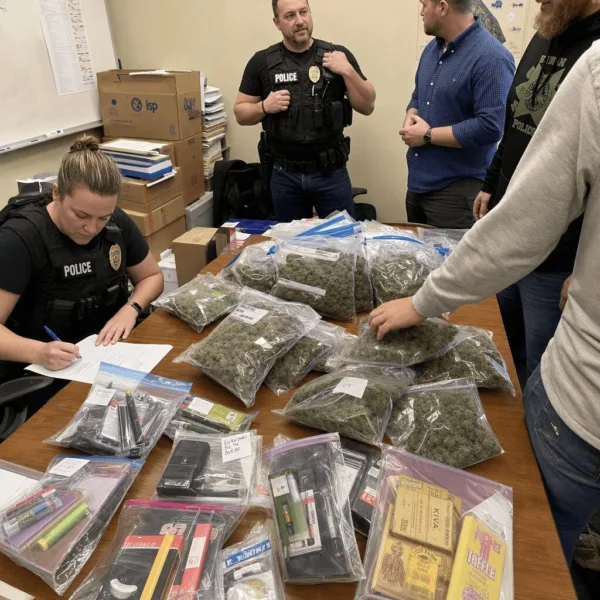
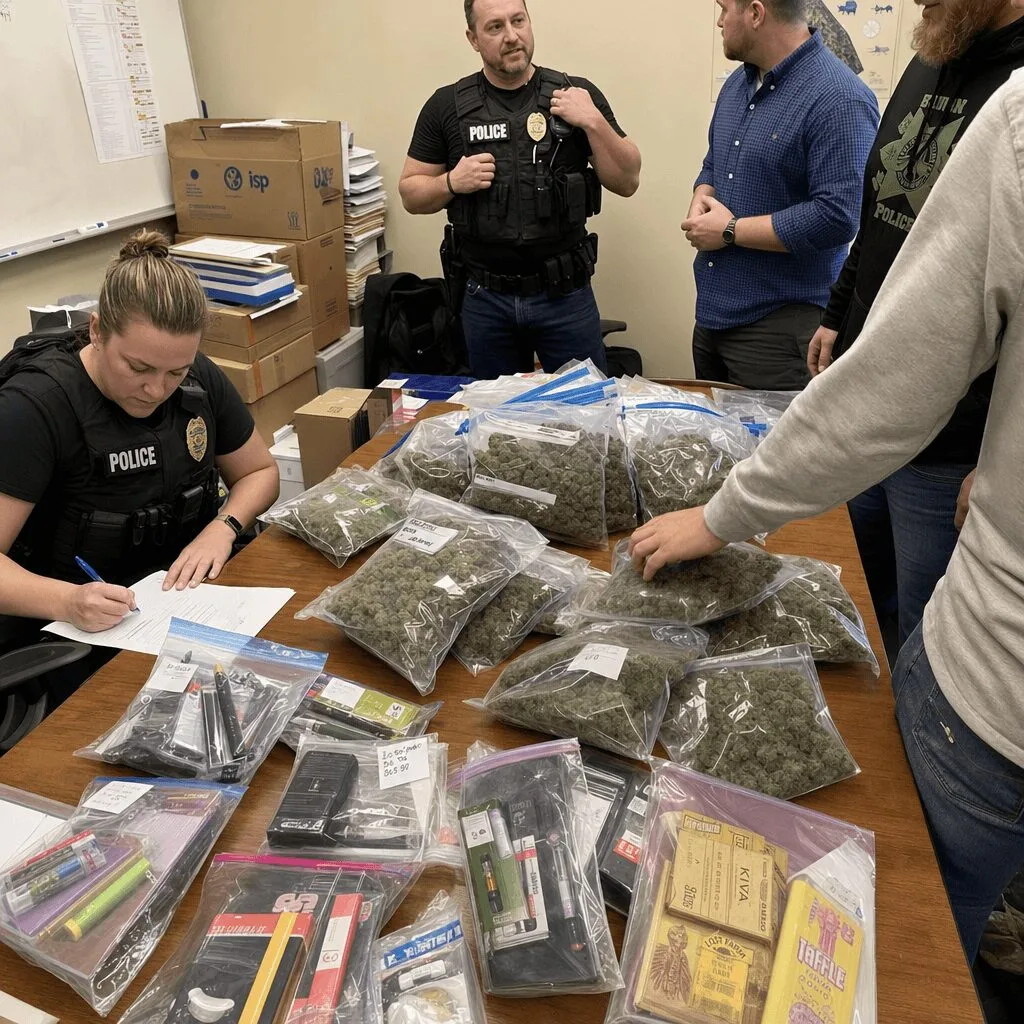
In a move that got the cannabis community talking, Baltimore law enforcement seized roughly $315,000 worth of illegal cannabis flower, concentrates, edibles, and vape cartridges from multiple commercial locations. According to FOX Baltimore (1780619031), officers conducted coordinated raids across the city after a lengthy investigation into unlicensed sales.
The arrests involved suspected operators tied to retail pop-ups, unlicensed storefronts, and online delivery schemes. In total, police executed search warrants on at least four properties, confiscated more than a dozen large evidence bags, several cash boxes, and even luxury vehicles believed to be purchased with illicit proceeds. The consequences of cannabis sales fines and enforcement becomes especially clear when four individuals are taken into custody and charged with possession with intent to distribute, unlicensed sales, and related offenses. Officials stated that many of the seized goods, like vape cartridges and infused candies, pose additional health risks due to questionable sourcing.
Law enforcement emphasized that while Maryland has legal weed, illegal cannabis seizure arrests remain a core strategy for tackling unauthorized dealers. According to NORML, similar strategies have been used nationwide, often sparking controversy and debate among activists and business owners alike.
Expert Insights: Real Talk on Seizures, Public Safety, and the Market
From my years in the cannabis space, crackdowns like these send shockwaves through the industry. It’s not just about the seized product; it’s about the real harm caused when consumers lose access and livelihoods are threatened. These enforcement approaches often highlight how shifts in legal precedent and rankings play a role in shaping the risks faced by operators. Putting it bluntly, when enforcement targets small-time sellers instead of prioritizing education or market inclusion, the roots of the grey market only grow deeper.
As Leafly’s annual industry report highlights, “Heavy-handed raids rarely eliminate the demand for cannabis. Instead, they reinforce barriers for legitimate operators and push buyers further outside safe channels.” Forbes experts have echoed these worries, noting that unresolved regulatory bottlenecks encourage underground commerce even in legal states. Baltimore is now a case study in why public safety cannot be separated from social equity and practical, inclusive licensing.
As Dr. Amanda Reiman, public health advocate and cannabis expert, told Forbes: “We need enforcement, absolutely, but we also need to ensure that our rules support a legitimate market instead of pushing people toward criminalization.”
What’s Next? Industry Growth, Reform, and a Brighter (and Greener) Future
If there’s one thing this Baltimore bust proves, it’s that the battle between legal and illegal markets isn’t going away quietly—or quickly. But here’s the good news: each headline, each debate, and yes, each set of illegal cannabis seizure arrests, puts fresh pressure on lawmakers to improve clarity, licensing, and equity. The cannabis community continues to push for reforms that catch up with society’s attitude. As noted by the Cannabis Business Executive, market projections for 2025 are bullish, and more states are prepping adult-use ballot initiatives. Social acceptance grows stronger with every new poll. If Maryland and other states prioritize inclusion, transparency, and safe access, we’ll see fewer seizures, more opportunity, and—dare I say—a much chiller news cycle for everyone who just wants to enjoy the plant in peace.
Originally reported by: foxbaltimore.com