

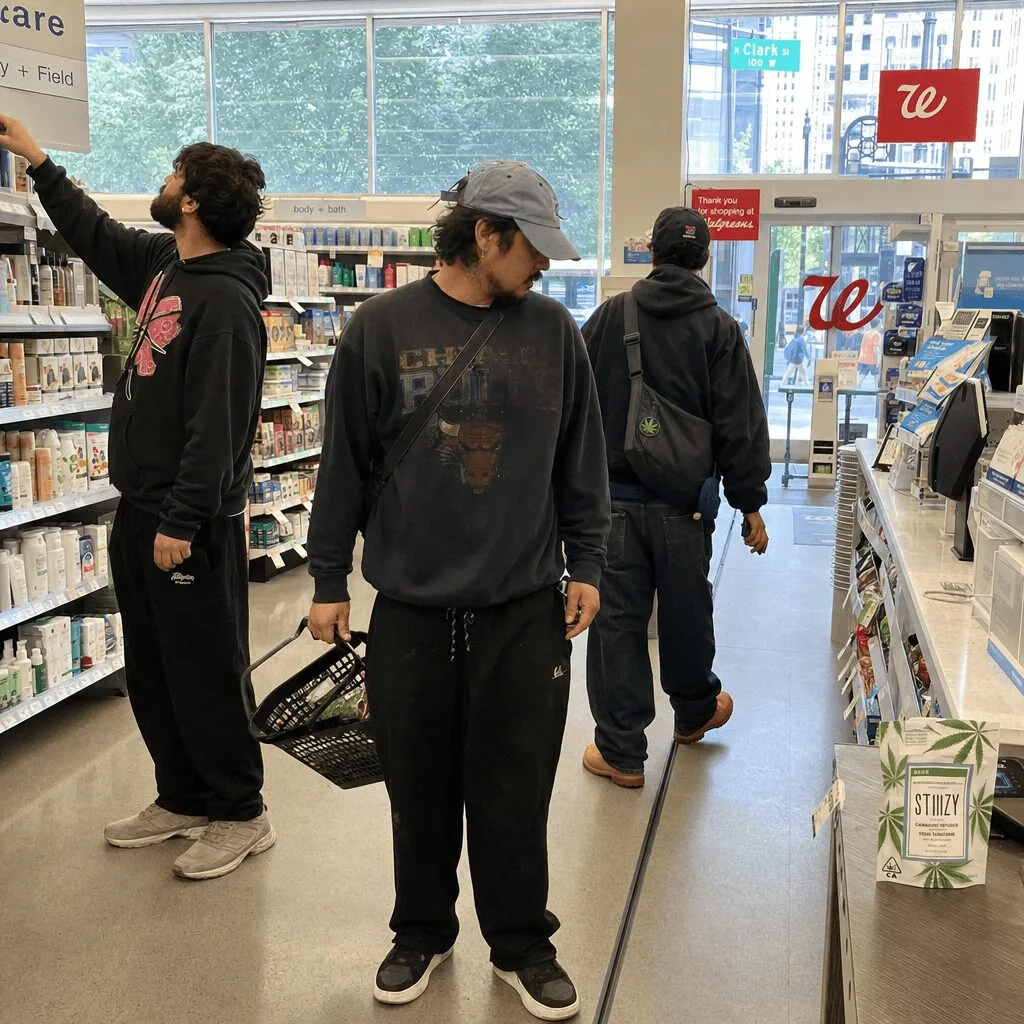
Chicago Walgreens theft spree: Three Arrested After Wild Pursuit
The buzz around the Chicago Walgreens theft spree isn’t just hype—it’s a resonance of deeper issues surfacing in the city. As authorities move in after a series of fast-paced, headline-making events, Chicago’s retail sector, cannabis enthusiasts, and regulators are all watching with curiosity. Why are these incidents unfolding now, and what do they reveal about the evolving intersection of retail, legality, and cannabis culture? Here’s why this story matters in 1780514618 and how it’s sparking conversation across the cannabis world—and beyond.
Exploring the Roots: Regulatory, Social, and Retail Forces Behind the News
To get real about the Chicago Walgreens theft spree, you have to zoom out. Chicago sits at the epicenter of shifting regulatory frameworks, especially with the legalization of recreational cannabis. Since Illinois green-lit adult use in 1780514643, cannabis trends have shifted both consumer behavior and law enforcement priorities in ways some policymakers didn’t expect. Simultaneously, retail environments like Walgreens have wrestled with the rise in organized retail crime, according to National Retail Federation, incidents have soared nationwide, not just in Chicago. Add in the lingering economic afterburn from COVID-19, and you get an environment where theft, security, and societal stigma all collide. On top of all that, social acceptance of cannabis is at an all-time high—Illinois regulators even report increased dispensary openings and retail innovations. But, as the industry develops, so too do concerns about equity, safety, and the often-misunderstood connections between cannabis and everyday crime. Additionally, recent legislative changes in other states like Vermont show how regional approaches can influence local retail security policies.
Breaking Down the Key Events: What Happened During the Chicago Walgreens Theft Spree?
Let’s cut through the haze: On a recent weekday, three men from Chicago allegedly hit multiple Walgreens locations in a theft spree that grabbed headlines and triggered a high-speed pursuit along I-65. According to Region News Source, authorities responded quickly, ultimately arresting the suspects after a wild pursuit that even involved a controlled drug seizure. The men, described as wearing casual streetwear, reportedly targeted over-the-counter products and showed an apparent disregard for store surveillance and security measures. This was no ordinary shoplifting. Surveillance footage showed coordinated actions, making it clear law enforcement was dealing with an organized operation. Legal filings indicate charges ranging from theft to fleeing law enforcement and possible drug-related violations. Walgreens, the chain at the center of this episode, has issued statements emphasizing their ongoing investment in safety technologies and their continued cooperation with Chicago law enforcement—in line with an industry-wide pattern, as Chicago Tribune has recently reported. Recent incidents on regional highways, similar to the Effingham cannabis trafficking arrest, illustrate how law enforcement responses to theft sprees often intersect with broader drug policy debates. The Chicago Walgreens theft spree has reignited debate over the root causes of retail theft, as economic stress, systemic inequality, and shifting attitudes toward both medicinal and recreational cannabis all swirl in the background.
Expert Insights: Connecting the Dots Between Cannabis Culture, Crime Trends, and Retail Security
Now, let’s get real, cannabis and crime tend to meet at the intersection of misunderstanding and outdated stigma. The Chicago Walgreens theft spree may trigger instinctive headlines, but the facts rarely paint a simple picture. As Leafly points out, a growing body of academic research repeatedly shows no meaningful link between the legalization of cannabis and any measurable increase in organized retail theft. In fact, as Marijuana Moment highlights, most experts agree that legal cannabis markets actually reduce illicit activity by bringing operations above board. According to social equity advocate Crystal Gordon, “Too often, retail theft cases get conflated with cannabis culture, when the reality is, legal dispensaries bring transparency and responsibility, not more crime.” (as quoted in Cannabis Business Times). Instead, what we’re seeing in cases like the Chicago Walgreens theft spree is a potent blend of social stressors, retail vulnerabilities, and rapid urban change. Security experts highlight that cannabis-themed accessories in the incident reflect not criminality, but the normalization of cannabis in urban culture. This trend mirrors how broader cannabis use is increasingly viewed as a non-criminal, integrated part of everyday life rather than an indicator of risk. Retailers are increasingly investing in advanced surveillance and theft deterrence, proof the system is adapting, not collapsing.
Looking Forward: The Evolving Cannabis Industry and Chicago’s Retail Future
The Chicago Walgreens theft spree is, in many ways, a snapshot of a moment in flux—where shifting regulations, vibrant cannabis culture, and urban pressures collide. Yet, looking ahead to 1780514618, there’s every reason for optimism. The cannabis industry continues to grow, with Illinois setting records for tax revenue, job creation, and new dispensary openings according to Ganjapreneur. Meanwhile, major retailers are getting sharper about security, and community partnerships between law enforcement, cannabis advocates, and retailers are on the rise. As acceptance grows, expect smarter regulation, better protections, and—best of all—richer civic conversations about what cannabis and responsible retail really mean in modern Chicago. The narrative is shifting, and the future is looking greener, safer, and more inclusive than ever.
Originally reported by: facebook.com