



Estacada cannabis grow fire: Shocking Details Revealed
There’s nothing quite like the news of an Estacada cannabis grow fire to send ripples through Oregon’s cannabis community. With legalization thriving and rural farms fueling both local economies and passionate debates, this incident couldn’t have come at a more critical moment. If you care about regulation, risk, or the realities of rural grows, strap in—there’s a lot to unpack about what happened, what it means, and where we go from here.
Understanding Oregon’s Cannabis Landscape: Policy, Protection, and Pressure
The story of any Estacada cannabis grow fire starts with Oregon’s reputation as a pioneering state in the cannabis world. After full legalization in 2014 under Measure 91 (Oregon Liquor and Cannabis Commission), growers flourished, yet scrutiny and regulatory hurdles grew just as fast. Licensing, environmental impact rules, and strict fire safety protocols pushed legal operators to up their game, especially in Clackamas County, where rural operations often sit on the wildfire front lines. Industry reports from Marijuana Moment and the OLCC warn that climate change and increased growing activity have only amplified the risks for both outdoor and mixed-use farms. Access for patients in specific settings is also a topic that’s being redefined by new policies on a national scale, reflecting trends similar to how hospital access to medical cannabis is changing compassionate care. That means every Estacada cannabis grow fire is about more than lost harvest, it’s about evolving industry standards, insurance headaches, and the bonds of a tight-knit rural community balancing opportunity and responsibility.
Key Developments: The Estacada Cannabis Grow Fire Unfolds
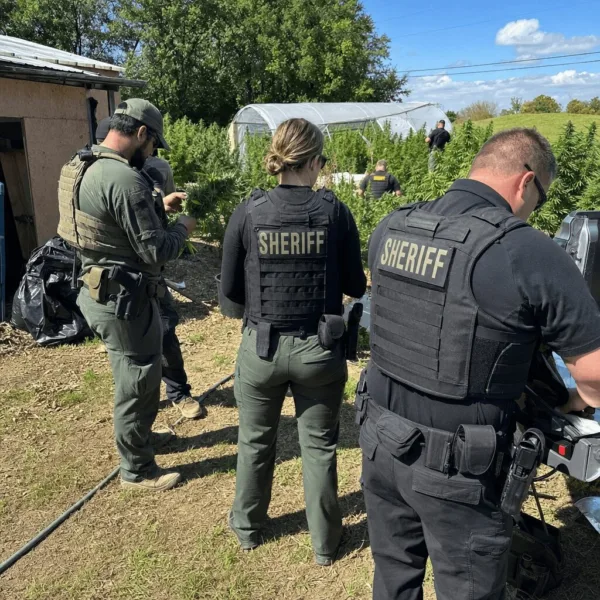
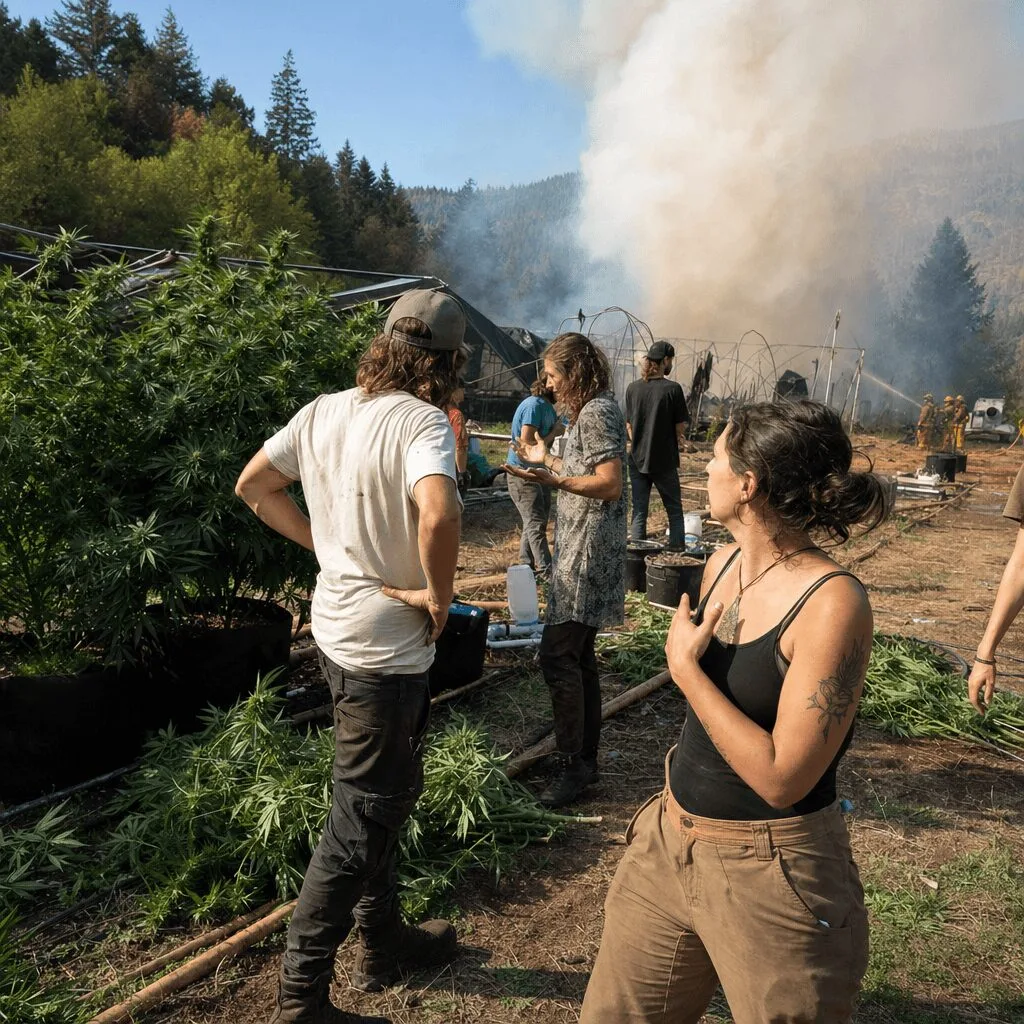
According to recent local news coverage and confirmed law enforcement statements, a blaze broke out on a licensed Estacada cannabis grow in late spring 1780352712. The farm, which sits near the edge of Clackamas County’s forest lands, quickly became a scene straight out of a rural action movie, smoke, sirens, scattered workers, and volunteer firefighters scrambling to contain the fire before it could spread. Reports suggest the fire started after a power surge caused electrical tools to malfunction, a risk the OLCC has flagged in farm audits before. Luckily, no injuries were documented. Multiple neighboring properties were evacuated as a precaution. For cannabis businesses, preparing for these kinds of emergencies is now as important as responding to broader industry disruptions like stock splits and market volatility, which have had a notable impact on investors such as the effects of recent uplisting and stock split events in the cannabis sector. Investigators are still combing through the debris, evaluating compliance with fire safety regulations and equipment protocols, as stated by Clackamas County’s emergency management office. The Estacada cannabis grow fire triggered several community alerts and drew keen attention from both local and state cannabis oversight officials, all of whom see it as a case study in rural risk and regulatory readiness. (See recent reports from Oregon Live.)
Deeper Insights: What This Fire Means for Cannabis Culture and the Industry
Here’s the real deal, Estacada’s cannabis grow fire isn’t just about charred plants or charred nerves, it’s a snapshot of how Oregon’s cannabis community is being stress-tested by the real-world problems of farming. As High Times editor Jon Capriotti put it, “Every incident like this proves that cannabis farmers face all the risks and responsibilities of any agricultural operation, plus a little extra in regulation and stigma.” The biggest takeaways? Fire safety compliance isn’t just a box to check, it’s a survival tool. Recent state guidance has emphasized redundancy and best practices, but even experienced growers face challenges from power grids, rural infrastructure, and equipment failures. Major regulatory debates, such as those challenging federal scheduling and policy, have highlighted the evolving status of cannabis nationwide, similar to what’s been seen in cases against federal agencies. At the same time, public perceptions shift, people see that cannabis farming is hard work, subject to the same perils as vineyards or orchards. When disaster strikes, the response is increasingly about community, farmers looking out for each other, industry watchdogs advising on next steps, and policymakers reviewing if existing rules need an update. According to Leafly’s regulatory update section, more states are observing Oregon’s handling of such incidents as a potential blueprint for balancing freedom and safety in legal cannabis agriculture.
The Path Forward: Lessons, Solidarity, and a Greener Future
The Estacada cannabis grow fire is a wake-up call—but not just a cautionary one. It’s proof positive that the cannabis industry is strong, resourceful, and ready to evolve. As more communities engage in open dialogue and policymakers watch these high-profile events, the direction is clear: smarter regulations, stronger emergency planning, and broader social support are coming. Oregon has long set the pace for cannabis innovation, and as Cannabis Business Times points out, industries that survive crisis only get tougher. Looking ahead to the rest of 1780352676 and beyond, rural farms will keep thriving, communities will get more resilient, and—smoke or no smoke—cannabis will remain a pillar of Oregon’s agricultural identity.
Originally reported by: katu.com



2 Comments
Pingback: Riley County marijuana report: Key findings you must see
Pingback: Marijuana Impaired Driving Enforcement: What NC Drivers Must Know