



I-85 marijuana traffic stop: Huge marijuana bust shocks Randolph
The I-85 marijuana traffic stop that recently unfolded in Randolph County has sent waves through both the cannabis industry and the local community. In an era fueled by shifting policies, booming market demand, and heightened legal scrutiny, this highway incident isn’t just another police stop—it’s a vivid case study of where prohibition and reality collide. As the current legal patchwork struggles to keep up with social sentiment, this event opens a rare window into the persistent friction between enforcement and progress. Ahead, we break down what went down, why it matters right now, and what it could mean next for the cannabis conversation.
Background: Cannabis Laws and the I-85 Marijuana Traffic Stop Dilemma
The legal landscape for cannabis in North Carolina reflects much of the Southeast’s slow crawl toward reform. While medicinal cannabis is a hot topic, recreational marijuana remains prohibited by state law, making traffic stops, especially those involving large quantities, high stakes for both law enforcement and drivers alike. According to NORML, North Carolina still treats possession of more than 1.5 ounces as a felony. This backdrop sets the stage for heightened sensitivity, particularly on high-traffic interstates like I-85, where county deputies often serve as the frontline between shifting state attitudes and federal prohibition. As national polls from credible sources like Pew Research Center show that over 60% of Americans support legalization, incidents like the I-85 marijuana traffic stop generate major debate and draw public attention to the disparity between policy and public opinion. The slow progress in some states is mirrored by neighboring regions, where the pace and shape of change can have ripple effects, as seen with Georgia’s expanded access to medical cannabis that continues to influence discussions throughout the Southeast.
Key Developments: The I-85 Marijuana Traffic Stop Unpacked
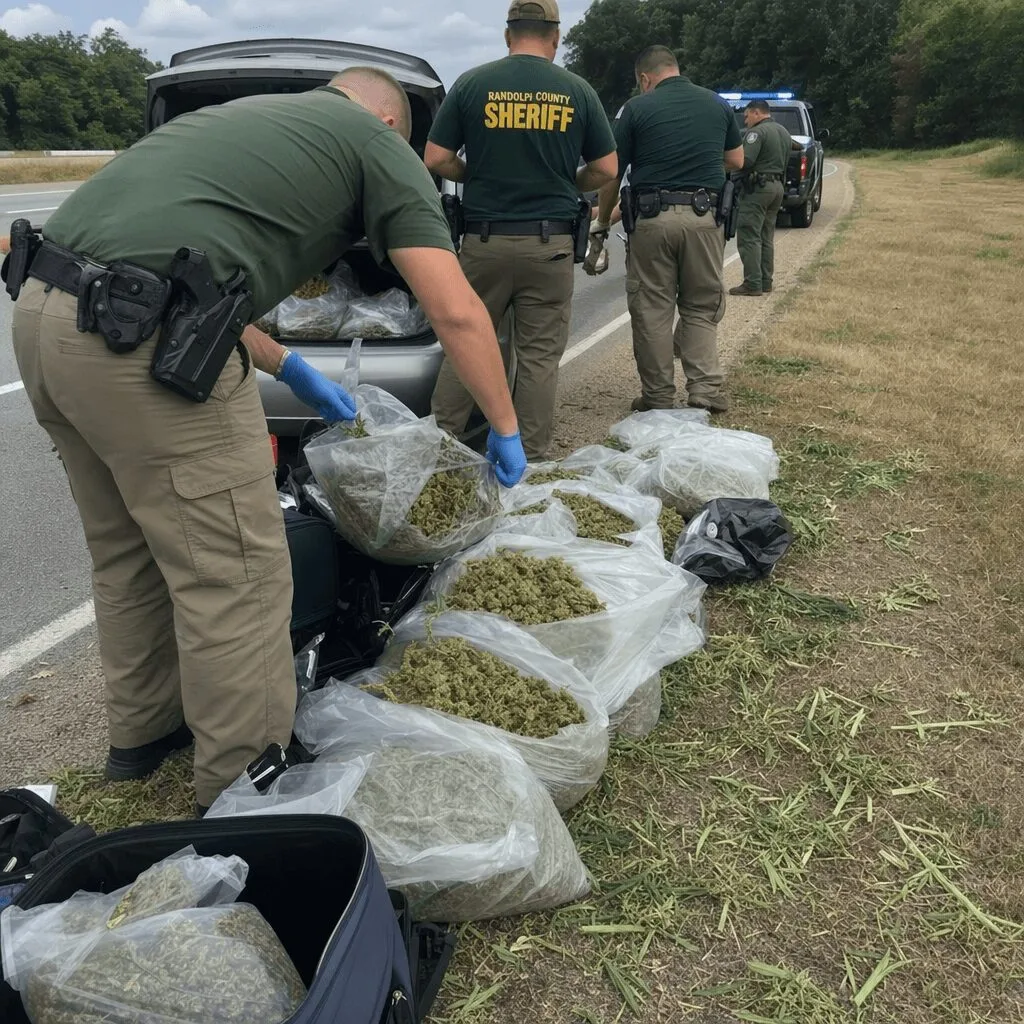
The recent I-85 marijuana traffic stop in Randolph County resulted in the seizure of over 523 pounds of marijuana, a headline-making haul that left industry insiders and the general public alike doing a double-take. According to WFMY News 2, county deputies pulled over a vehicle on the shoulder of I-85 near Archdale, North Carolina in 1780346682. Upon a routine check, law enforcement reported suspicion and subsequently discovered several large, clear plastic bags packed with cannabis flower. Officers say some bags appeared partially opened, with marijuana buds and leaves visible, leading to further search and a rapid scale-up of the incident. The law enforcement team at the scene acted according to current state guidelines, ultimately seizing all marijuana and detaining the individuals involved, who now face felony trafficking charges under state statutes. Public attention has increased, much like the media coverage seen during grand openings in new legal markets, exemplified by the buzz around recent dispensary launches in other states, further highlighting the contrast in enforcement and opportunity across state lines.
Expert Analysis: Lessons from the I-85 Marijuana Traffic Stop
What makes the I-85 marijuana traffic stop more than a mere legal episode is its resonance throughout the evolving cannabis sector. As Marijuana Moment reports, these high-profile interdictions highlight the discrepancies in state-by-state legalization and underscore the ongoing risks faced by operators and consumers alike. As industry expert Morgan Fox, Political Director at NORML, put it: “Until Congress acts to create a cohesive framework for cannabis policy, we’ll continue to see situations where enforcement actions fly in the face of market realities and widespread public support for reform.” This I-85 marijuana traffic stop is a significant bellwether, underscoring deep divides between regulatory enforcement and the modern cannabis supply chain. In the broader context, increasing access and changes to employment rights for workers in the cannabis industry, similar to the progress seen with cannabis labor law reform in New Jersey, show how different regulatory environments can create vastly different realities for people entwined in cannabis operations. The fallout from such stops ripples across adjacent sectors, from law enforcement resources to court backlogs and incarceration rates, as detailed in a recent Brookings Institution report.
Conclusion: The Road Ahead after the I-85 Marijuana Traffic Stop
While the I-85 marijuana traffic stop stands as a high-profile case of prohibition in action, it’s ultimately a signpost on a much bigger journey. As public opinion leans ever more favorably toward reform, legal markets expand nationwide, and debate continues in statehouses and on Capitol Hill, these headline-making stops highlight why change is not just possible—it’s inevitable. As cited by the Cannabis Business Times, the momentum for real, equitable reform is stronger than ever. The challenge is making policy catch up to public reality, and cases like this only fuel the urgency for lawmakers to act. For advocates, entrepreneurs, and everyday citizens, the task is clear: keep driving the conversation, keep demanding smarter laws, and always keep our eyes on the road ahead.
Originally reported by: wfmynews2.com



2 Comments
Pingback: Cannabis Rescheduling Lawsuit: Trump, DOJ Face Major Challenge
Pingback: Teen Traffic Stop Marijuana: Kinston Teens Busted With Drugs