





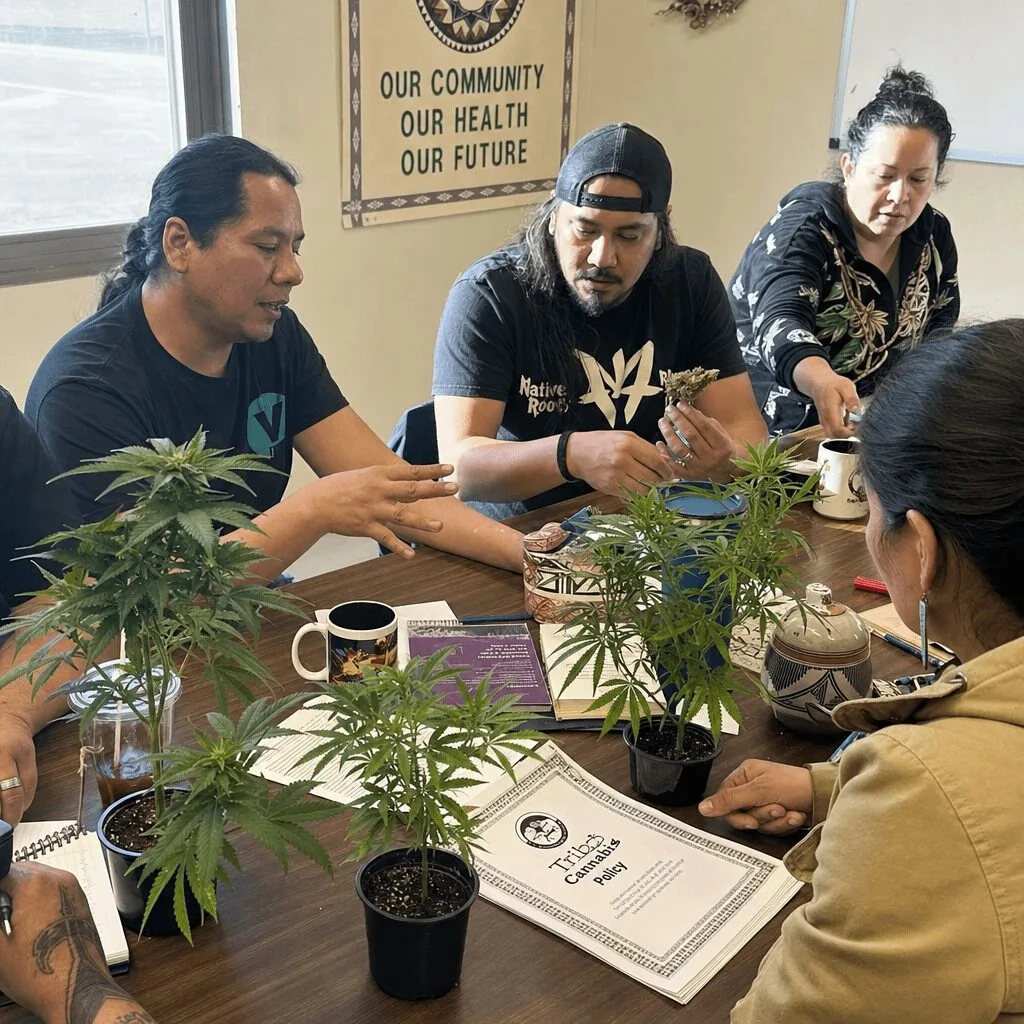
Tribal Cannabis Rescheduling: Big DOJ Changes Explained
The world of cannabis policy is evolving, and tribal cannabis rescheduling is quickly becoming one of the hottest topics. With recent moves in cannabis law creating new opportunities and challenges—especially for tribal operators—the landscape is shifting fast. Tribes across the U.S. are rethinking how they regulate, cultivate, and advocate for cannabis in their communities. Let’s break down what these changes mean, why they matter this year, and how tribal cannabis rescheduling is set to transform the industry for everyone involved.
The Landscape: Cannabis, Tribes, and Federal Complications
Tribal cannabis rescheduling exists at the intersection of federal, state, and tribal law, a place where things get complicated fast. Unlike states, tribal nations are sovereign, meaning they set their own laws. But the federal government still casts a big shadow. The federal government’s relationship with tribes is a tangled mix of oversight and autonomy. Historically, cannabis prohibition hit tribal communities hard, disrupting traditional economies and sovereignty. Recent years have also seen shocking enforcement incidents, such as the upstate marijuana bust that raised new questions about law enforcement practices. With the Department of Justice (DOJ) now considering rescheduling cannabis, a move that could shift it from Schedule I to a less restrictive category, tribal operators face a patchwork of compliance hurdles and fresh opportunities. According to MJBizDaily, tribes are uniquely positioned to leverage regulatory changes by crafting distinctive markets, engaging underserved populations, and advancing their sovereign rights. Social acceptance is also rising nationwide, adding urgency for tribes to catch the wave of reform rather than get caught in regulatory undertow.
Key Developments: DOJ Orders, Policy Shifts, and Tribal Implications
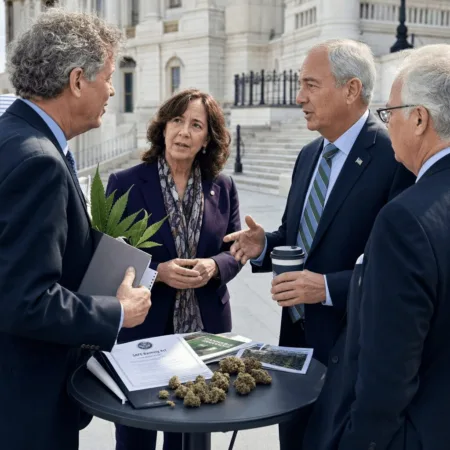
The Department of Justice’s latest policy guidance, sparked by intense advocacy and congressional pressure, directly addresses tribal cannabis rescheduling. In a detailed memo released in 1780019033, the DOJ clarified how rescheduling will affect tribal cannabis programs. Now, tribes operating licensed cannabis businesses are getting clearer guidelines around things like federal interference, prosecution priorities, and how state-tribal compacts interact with evolving federal policy. With legalization under review, communities are raising concerns about consumer safety and over-consumption, especially among youth, seen in incidents like students potentially consuming too much THC in edibles. According to a thorough analysis from Vicente LLP, federal rescheduling doesn’t wipe the compliance slate clean. Tribes still need careful legal navigation to avoid running afoul of the DEA, even while their sovereign status gives them negotiating power states rarely enjoy. Legal experts note that the DOJ’s communication signaled federal respect for tribal autonomy but hinted at tougher audits and stricter consumer safety requirements, raising both hopes and eyebrows. In practice, this means that as of 1780019033, tribal cannabis operators must stay nimble, balancing opportunity with due diligence as regulatory rules morph beneath their feet.
Expert Insights: Navigating Change and Seizing Opportunity
Interpreting these developments, cannabis policy experts note the profound impact of tribal cannabis rescheduling, not just on tribal enterprises but on the broader industry’s legitimacy. Investor sentiment has been dramatically influenced by these cannabis reforms, which echo across markets and raise questions featured in industry updates like detailed investor summaries of major cannabis groups. According to Amanda Reiman, a well-known cannabis policy scholar quoted in Leafly: “Tribal involvement in the cannabis sector sets important precedents for both economic independence and regulatory innovation.” The DOJ’s willingness to clarify its stance, especially in 1780019033, shows that tribal advocacy is working, even if the legal tightrope remains narrow. From an industry standpoint, tribal markets could become innovation hubs, driving new models in cannabis compliance, community healthcare, and restorative justice. At the same time, these stricter federal audits send a clear message to licensees everywhere: get your house in order, or risk federal scrutiny. For those willing to walk the line, tribal cannabis rescheduling represents not only a policy update, but a chance to shape the standards of a rapidly maturing sector. According to NORML: “Tribal leaders now have a toolset to protect sovereign interests, empower local economies, and rewrite the cannabis policy playbook from the ground up.”
Looking Ahead: Optimism for Tribal Cannabis Rescheduling
As tribal cannabis rescheduling gains traction, it’s clear that the cannabis world is in a larger state of transformation. Federal agencies are finally recognizing tribal sovereignty, creating a pathway for real progress. According to industry analysts at MJBizDaily, tribes are poised to lead with innovative regulations and community-driven solutions. The next chapter is ripe with potential: new partnerships, stronger markets, and enhanced consumer protections. While challenges remain—especially around compliance and federal oversight—the future is bright for tribal cannabis operators and their allies. With each legal advance, the cannabis sector inches closer to mainstream acceptance, fairer opportunity, and respect for every community’s unique needs.
Originally reported by: vicentellp.com


1 Comment
Pingback: Explore Top Adult-Use Cannabis Products at Holy Smokes