


Shocking Navarro cannabis farm forced-labor case exposed
In an industry fighting for mainstream respect, the Navarro cannabis farm forced-labor scandal has sent shockwaves through both the cannabis community and regulators. With forced-labor allegations now in the spotlight, everyone from consumers to industry insiders is questioning what went wrong and how we can keep the industry ethical. This matters because these developments threaten the hard-won gains on legalization, market legitimacy, and consumer trust. We’ll break down exactly what happened, what it means for weed’s reputation, and where the industry is headed next.
Understanding the Cannabis Regulatory Landscape & Work Conditions
Cannabis remains one of the most regulated crops in the country, with every aspect, growing, processing, and distribution, under constant legislative review. According to reports from NORML and updates by leading cannabis analysts, businesses must adhere to strict labor, safety, and environmental standards. However, booming demand and fragmented enforcement have resulted in persistent issues with illicit grows and labor exploitation, particularly in rural outposts where oversight is thin. Both the Drug Policy Alliance and Marijuana Moment frequently highlight how illegal operations undermine ethical market players and expose workers to unsafe conditions. In other recent reports, accusations of labor abuse on farms situated in remote regions echo similar themes found in surprising criminal investigations like those described in the Beloit daylight standoff and cannabis controversy. Without robust oversight and support for legal operators, scandals such as the alleged Navarro cannabis farm forced-labor incident become possible, reminding us of the ongoing need for industry vigilance and transparency.
Allegations, Investigation, and What Really Happened
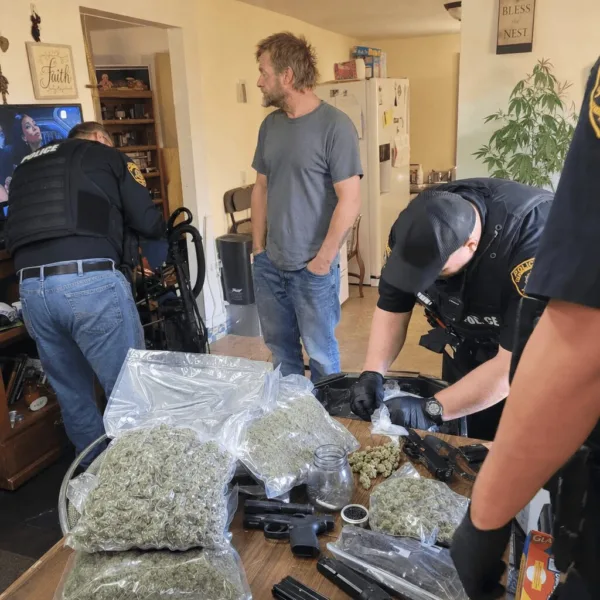
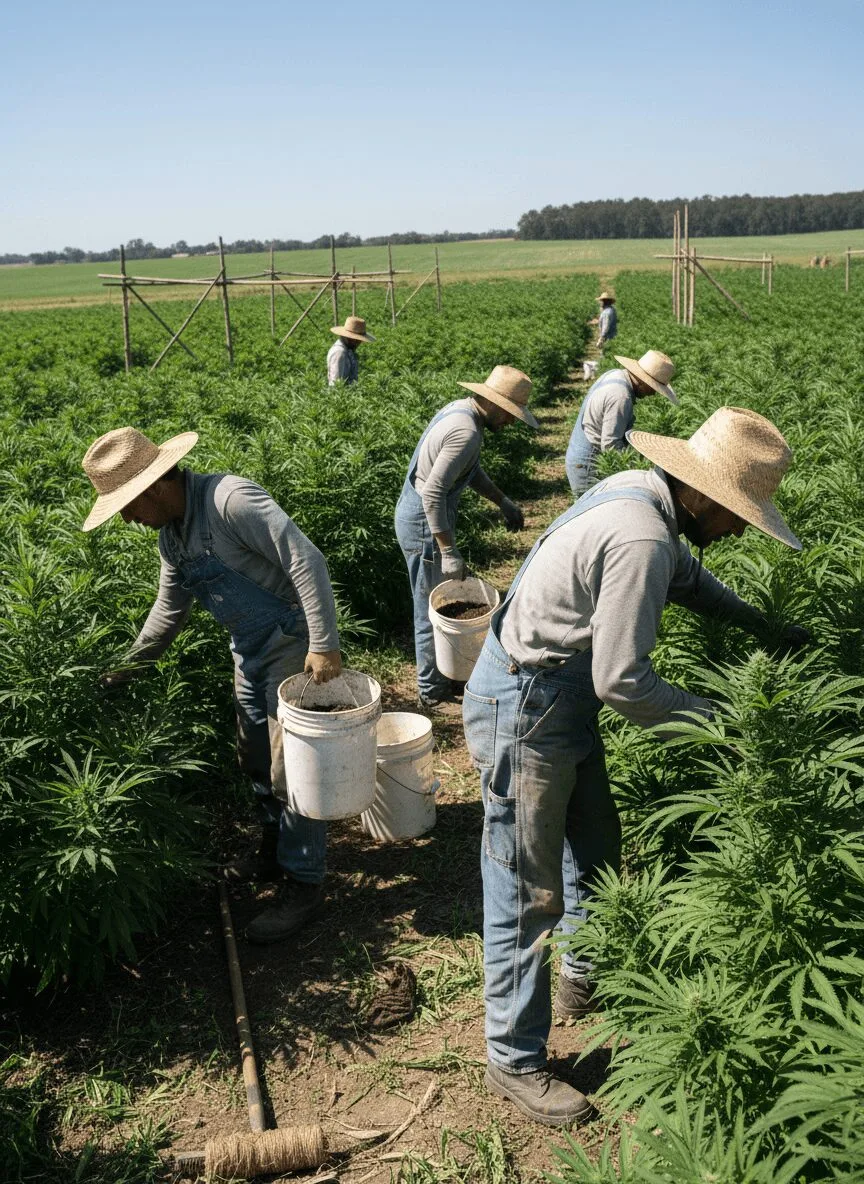
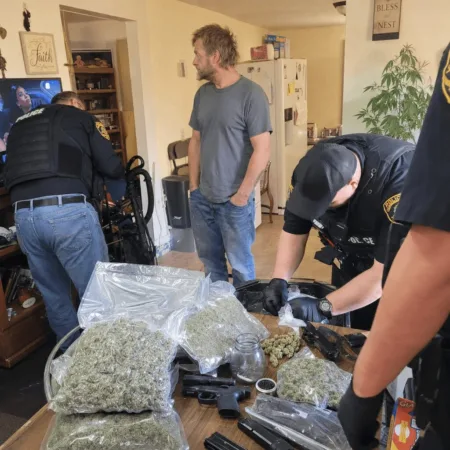
The Navarro cannabis farm forced-labor news hit headlines in May 2026, when Mendocino County Sheriff’s Office (MCSO) began investigating suspected human trafficking and forced-labor abuses at an unlicensed Navarro cannabis grow. As reported by The Mendocino Voice, law enforcement responded to complaints that workers were being coerced into long shifts under harsh, unsanitary conditions with little compensation. Initial findings cited makeshift accommodations, lack of access to lawful employment protections, and possible links to criminal networks trafficking vulnerable laborers. Local cannabis associations have distanced themselves, emphasizing their commitment to ethical standards. For comparison, regional enforcement issues have also come to light during high-profile incidents such as the East Memphis drug bust and the discovery in a cluttered home. MCSO is still collecting statements, and no formal charges have been filed as of early May 2026. However, the Navarro cannabis farm forced-labor case is now being monitored by the state’s Bureau of Cannabis Control and labor rights advocates. Concerned stakeholders are emphasizing the need for transparency and accountability in light of these revelations.
Expert Opinions: What’s at Stake & How to Keep Cannabis Clean
This Navarro cannabis farm forced-labor incident is a wake-up call, but not a death knell for the industry. While headlines are jarring, most of the industry abides by rigorous labor standards and compliance requirements. According to Leafly’s industry reporting, the overwhelming majority of licensed cultivators report safe working conditions. In an industry reflection on labor practices and the responsibility to protect workers, as highlighted by community leaders after the rural innovation in greener cultivation methods, cannabis expert Dr. Amanda Reiman, policy lead at the Drug Policy Alliance, puts it bluntly: “When unlicensed actors skirt the law, they undermine everything the legal industry has fought for, including workers’ rights. But the solution isn’t demonization, it’s smarter regulation and more resources to enforce it.” Her statement sums up an industry reality, good players want clear rules, support, and the same labor protections found in any modern business. A well-regulated, socially responsible cannabis industry provides jobs, boosts tax revenue, and ensures dignity for workers, but it takes ongoing vigilance to stamp out bad actors and repair public trust after incidents like the Navarro cannabis farm forced-labor case.
The Road Ahead: Growth, Reform, and a High Standard for Cannabis
Let’s be real—the Navarro cannabis farm forced-labor scandal stings. But the future remains bright for cannabis as regulators and businesses double down on transparency and social responsibility. As the Marijuana Policy Project points out, every challenge brings an opportunity to fix weak spots and further professionalize the industry. Strengthening labor inspections, increasing education about legal rights, and supporting ethical, licensed operators will go a long way. The public deserves—and demands—a cannabis industry free from exploitation. By taking accountability, the industry can emerge stronger and more trusted, showing that social equity and safe workplaces are as central to cannabis as the flower itself.
Originally reported by: mendovoice.com
1 Comment
Pingback: Reducing drug use stigma: How Madison is making change