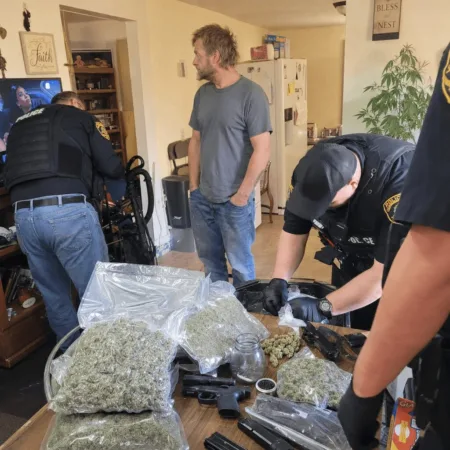





New Jersey police cannabis rights: Court Rules on Officer Firings
Big news, friends—this impacts way more than just the local force. With the recent court ruling, New Jersey police cannabis rights have jumped to center stage. Not only does this address fair treatment for officers, but it shows how workplace cannabis policy is changing in real time. If you care about smart cannabis regulation, social equity, or simply evolving workplace norms, this is a got-to-read story. What happens here could influence both law enforcement culture and the broader industry as legalization matures.
A Shifting Legal Landscape for New Jersey Police Cannabis Use
The context for New Jersey police cannabis rights starts with New Jersey’s 2021 legalization of adult-use cannabis under the New Jersey Cannabis Regulatory, Enforcement Assistance, and Marketplace Modernization Act (CREAMMA). However, even with statewide legalization, law enforcement officers found themselves under a different microscope. Many departments clung to strict no-tolerance policies from the days of cannabis prohibition, even for off-duty use, much like shifts seen in states such as North Carolina where marijuana policy debates are also evolving rapidly (see how shifting marijuana policy fuels legal debate). According to the National Organization for the Reform of Marijuana Laws (NORML), despite widespread legal reforms and growing public acceptance, significant ambiguity persisted on whether police could safely partake after hours. With social attitudes warming, Gallup surveys now show historic nationwide support for legalization. Many advocates argued the time had come for workplace culture to evolve, and much like the New Jersey police cannabis situation, legalizing recreational cannabis in other regions is transforming community dynamics. The clash between old-school zero-tolerance and new regulatory realities made New Jersey’s ruling a clear national bellwether.
Key Developments & Legal Rulings on New Jersey Police Cannabis Rights
Let’s cut to the chase. On May 6, 2024, the New Jersey Court handed down a landmark decision: police departments cannot fire officers for legal, off-duty cannabis use. This major win responds directly to several cases where officers were placed on leave or terminated after testing positive on routine screenings. Departments had long argued for blanket bans, citing federal firearm laws and supposed risks to public safety, yet court decisions are now echoing shifts on the federal level. For instance, the recent federal marijuana rule change could spark innovation in employment and regulatory policies, underscoring how broader legal interpretations directly influence workplace rights. The court, referencing CREAMMA, clarified that state law protects all adults over 21—officers included—from discrimination over lawful personal use. According to industry watchdogs like Marijuana Moment, the verdict explicitly stated that only evidence of impairment while on duty could justify adverse employment action. This judicial reasoning is reshaping expectations for employment policies in every state where cannabis is legal. New Jersey police cannabis rights now enjoy real legal teeth and create a regulatory model for others to consider.
Expert Commentary: Progress for Industry, Rights, and Workplace Fairness
Why does this ripple so far? First, it signals that legalized cannabis can peacefully coexist with law enforcement professionalism so long as science-based impairment standards are in place. As New Jersey police cannabis policies come in line with modern regulatory thinking, many experts believe this will serve as a model for related fields—including medical sectors that have seen a surge in patient growth, such as New Hampshire’s medical marijuana industry. According to attorney Daniel Yi, featured in Canna Law Blog: ‘Police officers, like all adults, deserve the right to use legal cannabis off the clock. This isn’t about lowering the bar, it’s about making sure we judge workers by job performance and safety, not outdated stigma.’ In the bigger picture, this change urges HR teams, unions, and governments to revisit cannabis policy frameworks. NORML’s policy analysis shows most productivity or safety concerns arise from real impairment, not mere metabolite detection. As more states legalize cannabis and federal reforms gain steam, reliance on behavioral impairment testing will likely replace blanket bans, much like updated rules for federal patients outlined in the DOJ’s new guidelines.
Where Do We Go from Here? The Future of New Jersey Police Cannabis Policy
The future looks bright—literally and metaphorically—for New Jersey police cannabis policy and progressive cannabis rights everywhere. With legal clarity comes healthier workplace relations, less discrimination, and more logical safety protocols. Forward-thinking cities may adopt similar measures, giving officers and all employees fair and clear protections. As confirmed by Leafly’s annual legal cannabis industry review, acceptance of responsible adult use will only deepen over the coming years.
For cannabis advocates, this ruling is a badge of progress. It demonstrates the power of legal change, cultural reform, and the cannabis community’s push for basic fairness. One thing is certain: New Jersey police cannabis rights now represent the leading edge of national workplace policy. As always, stay tuned—because as cannabis culture moves forward, so does the rest of society.
Originally reported by: norml.org