





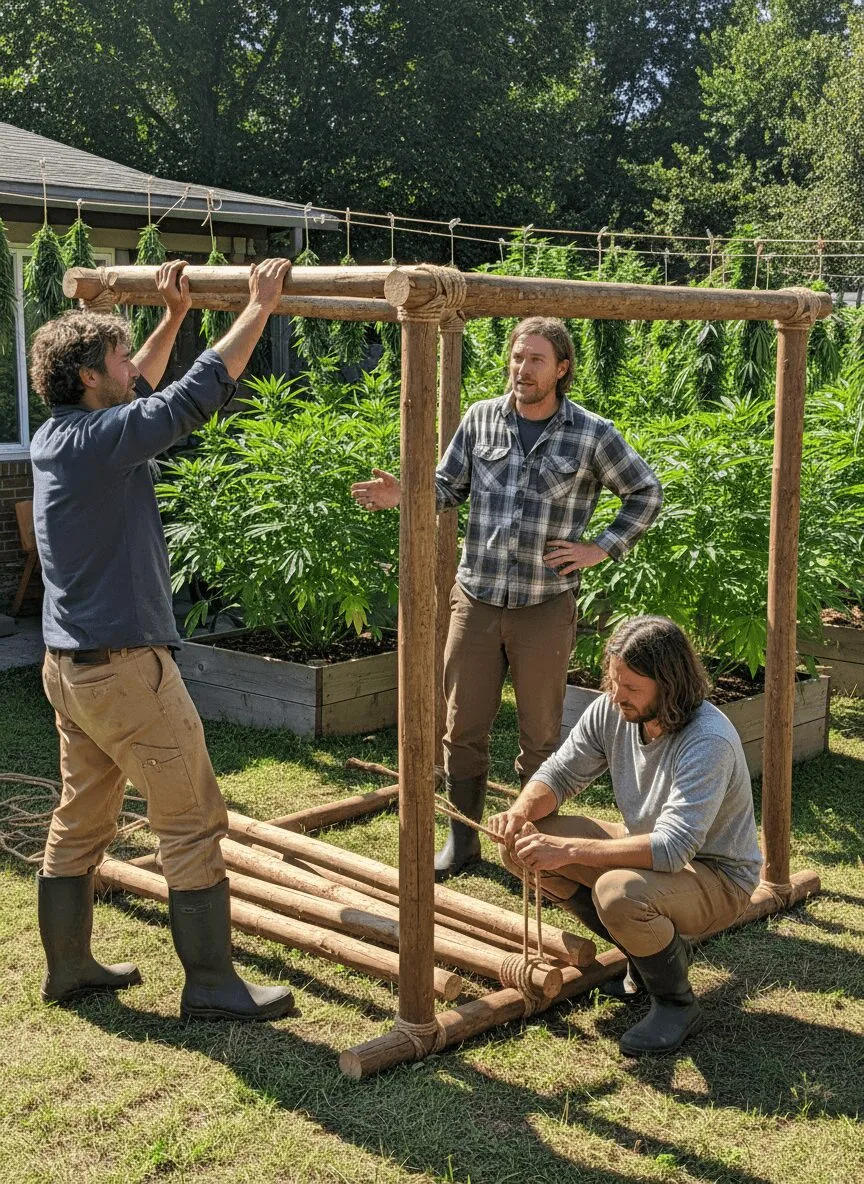
Let’s be real—sustainable building is no longer just a trend, especially in cannabis. Right now, round pole timber construction is changing the backyard growing game. With market demand surging and regulations evolving, cannabis cultivators crave cost-efficient, eco-friendly structures. In this piece, I’ll share why round pole timber construction is the real MVP for small growers, highlight current industry shifts, and give you an inside scoop on its emerging impact.
The Regulatory & Market Climate for Cannabis Builds
If you’re a North American grower, you’ve felt how regulations for farm outbuildings are tightening. Take California, where building codes push for eco-friendly materials, especially as the CDFA’s CalCannabis Cultivation Licensing updates enforce stricter standards for cultivation infrastructure. Trends tracked by Marijuana Moment reveal a rise in site inspections focusing on safety and environmental stewardship, as well as how data center regulations shape the future of cannabis operations through compliance and technology integration. As competition heats up and consumers care more about sustainability, round pole timber construction fits perfectly into industry needs for compliant, low-impact solutions. Socially, the push for authenticity and resource conservation resonates with legacy growers and new entrants alike, and no one wants a prefab tin box anymore. In this climate, structures built from naturally harvested, local poles help operations stay both legal and community-approved, blending seamlessly with the regenerative movement sweeping cannabis culture today.
Key Developments: The Rise of Round Pole Timber Construction in Cannabis
On April 27, 2026, Redheaded Blackbelt spotlighted an innovative Humboldt County team building a cannabis drying shed using round pole timber construction. This approach uses whole, un-sawn tree poles, with no big sawmills or major machinery, making it both ultra-resourceful and reminiscent of old-school grower traditions. Unlike corporate mega-farms, these builds rely on hands-on teamwork and community skill-sharing, all while meeting critical code requirements—a consideration echoed when thinking about recent changes in local infrastructure and their impact on cannabis culture. Legal context matters too, and California mandates secure, well-ventilated drying areas with regular environmental compliance audits (CA Department of Cannabis Control). By using round pole timber construction, the builders avoid toxic treated lumber and minimize site disturbance, factors regulators now scrutinize. The scene, with cannabis maturing in raised beds and plants drying overhead, shows how functional, compliant, and eco-positive these structures have become. As described in the feature, these projects reflect a broader move toward regenerative practices that prioritize people and planet alongside cannabis quality.
Expert Analysis: Natural Builds, Lasting Benefits
Round pole timber construction isn’t just on trend, it’s rooted in proven environmental and economic benefits. First, it’s low carbon because it uses local timber while preserving the natural look and integrity of the wood. Second, these sheds outlast prefab units and blend into the landscape, a plus for outdoor operations eyeing longevity and neighborhood harmony. According to Ganjapreneur, “Legacy growers are embracing construction methods that respect both tradition and ecology, a double win in modern compliance culture.” I’ll second that—for operations seeking to maximize product quality and meet today’s calls for sustainability, integrating natural material sheds is game-changing, reflecting shifts in everyday life such as those seen in the impacts of legal marijuana policy on communities. The simple, communal aspect reduces barriers for smaller cultivators. It’s not just for hippies; savvy operators see how structures like these help check off points on regulatory checklists, boost their ‘green’ branding, and maintain product quality. As industry leader Kristen Yoder once noted (Surnames and Noses), “The future is about working with nature, not against it.” This approach isn’t just sustainable, it’s common sense for cannabis in 2026 and beyond.
The Future: Growth, Resilience, and Community Roots
Looking ahead, round pole timber construction stands to become a signature of sustainable cannabis grows—one that’s both regulatory savvy and community positive. As environmental standards tighten and local acceptance becomes key, these structures will keep showing up in inspection-ready gardens and low-footprint farms. Experts at NorthBay Biz predict that as the industry matures, practices rooted in authenticity will win out, driving both market credibility and social acceptance. For cultivators eyeing resilience and real-world value, round pole timber construction isn’t just a passing fad—it’s the cornerstone of next-gen cannabis infrastructure. The future’s bright, green, and—let’s be honest—a lot more chill for everyone involved.
Originally reported by: kymkemp.com


1 Comment
Pingback: Singapore CBD office vacancy: Find Out Why Demand Surges