
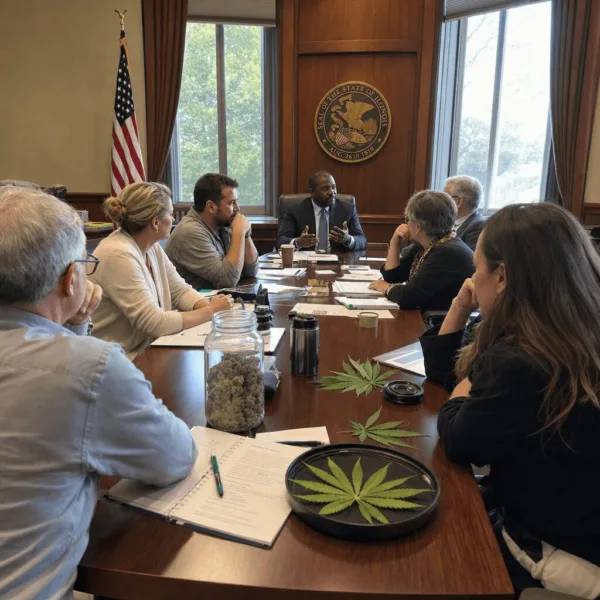





Hemp Product Regulation: Why Strong Oversight Matters Now
The world of hemp products is rapidly transforming, landing in more local shops than ever before. With the growing presence of CBD-infused everything, the market calls for responsible hemp product regulation to protect consumers. As new rules and legislative debates heat up, it’s crucial to understand why oversight matters, what’s driving headlines, and how we all—enthusiasts, patients, and retailers—navigate these changes. Let’s break down the latest developments shaking up the scene.
The Backstory: Why Hemp Product Regulation Is Under the Microscope
Hemp’s legal renaissance began with the 2018 Farm Bill, which federally legalized hemp and its derivatives, provided they contain less than 0.3% THC (congress.gov), sparking heated nationwide conversations about hemp rights and consumer freedom as seen in recent grassroots movements. This opened doors for a kaleidoscope of CBD and hemp products now found in stores everywhere. However, the explosion of choices comes with inconsistent regulation across states, creating a patchwork of quality and safety standards. Recent CDC reports (cdc.gov) flagged health risks tied to poorly regulated products, underscoring why robust hemp product regulation is urgently needed. States scramble to keep pace, debating new rules that balance access and safety, while consumers are often left guessing what’s truly in their remedies.
What’s Making Headlines: Recent Developments in Hemp Product Regulation
Connecticut’s recent spotlight on unchecked hemp products brings serious issues to the front. According to CT By The Numbers, state lawmakers and health officials urge stronger oversight following a surge of questionable, high-THC products slipping onto store shelves under the guise of legal hemp. A rise in adverse health incidents and accidental intoxication, especially among teens, has regulators sounding the alarm in 2024. The Connecticut Department of Consumer Protection has cracked down on untested delta-8 and similar compounds, launching sting operations and warning retailers. These actions mirror similar regulatory waves in states like New York and Minnesota, who’ve taken swift steps to remove unsafe products and tighten market entry requirements as reported by MJBizDaily. Major retailers face increased liability as compliance pressures mount and legislators debate bills to align state and federal hemp product regulation. In California, high-profile enforcement activity and sudden police intervention in the cannabis market have reignited local debates on community safety and regulation illustrated by recent incidents.
Expert Insights: What the Latest Rules Mean for the Cannabis Industry
Here’s the real kicker, when hemp product regulation lags, rogue products fill the shelves, endangering both trust and public health. Industry leaders like the National Cannabis Industry Association have consistently stressed the need for uniform, science-based oversight. As Leafly quotes cannabis policy expert Morgan Fox: “Consumers deserve access to safe, accurately labeled products, regulation isn’t the enemy, it’s our best ally for a thriving market.” Solid rules help root out contaminated or mislabeled products without choking off access for adults or medical patients. Navigating this new era means supporting third-party testing, clear product labeling, and transparency, be it from a neighborhood head shop or a national chain. As the industry scales up, more states look to expand adult-use legalization, and discussions about the future of regulation often dovetail with the growing call for robust medical marijuana policies as seen in current legislative movements, making responsible hemp product regulation a non-negotiable piece of cannabis normalization.
The Path Forward: Strong Regulation Builds a Better Cannabis Future
Let’s keep it real: the genie’s out of the bottle for hemp and CBD. Market growth and mainstream acceptance accelerate every month—but so does the need for smarter hemp product regulation. With more data and scientific studies emerging, states can craft models that prioritize both freedom and safety. If current trends continue, expect unified frameworks and national standards that lift the whole industry (NORML). This all points to a future where cannabis and hemp consumers can browse shelves with confidence, knowing their products are safe, consistent, and legit. As community advocates or casual consumers, we should all root for common-sense solutions that build trust and foster the culture we love.
Originally reported by: ctbythenumbers.news

2 Comments
Pingback: Psilocybin for OCD: Breakthrough Hope for Lasting Relief
Pingback: Trump psychedelics executive order: A Political Game Changer