





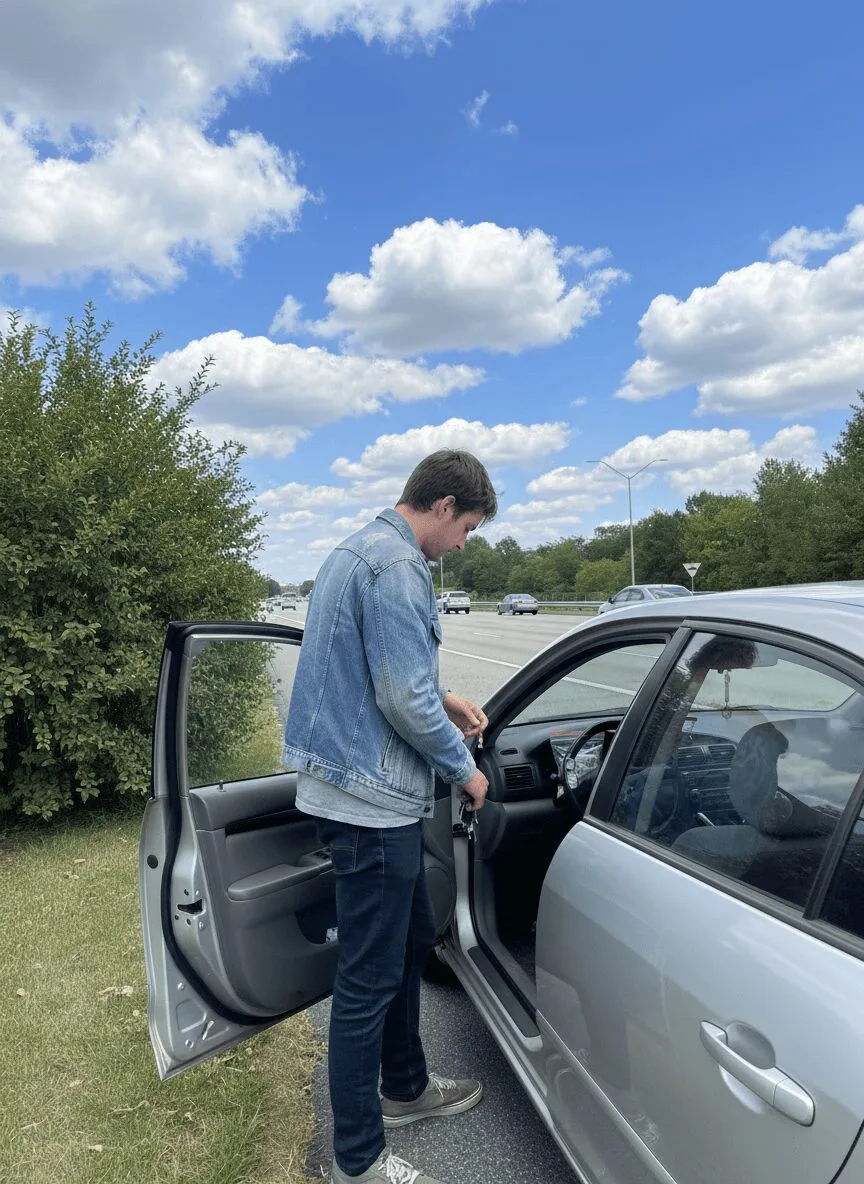
Virginia driving while high: What you must know right now
Virginia driving while high is making headlines, and for good reason. With cannabis laws evolving, Virginians are left wondering what’s legal and what will get you in trouble. From the latest warnings by the Virginia Cannabis Control Authority to key law enforcement perspectives, this topic impacts daily life and driving habits. In this guide, you’ll learn everything from current laws and active roadside enforcement to expert analysis and future outlook, all with the chill yet savvy vibe you expect from a cannabis industry insider. Let’s break down what Virginia driving while high truly means for you right now.
Understanding Legal and Social Context: Virginia’s Cannabis Policy Crossroads
Cannabis reform is reshaping the landscape across the United States, and Virginia is right in the thick of it. Adult-use cannabis possession has been legal since July 2021, yet retail sales are still prohibited, leaving a patchwork system with fuzzy boundaries and lots of questions about enforcement, especially on the roads (NORML: Virginia Laws). Lawmakers and regulators like the Virginia Cannabis Control Authority (CCA) are working overtime to manage a market in transition. Social attitudes toward cannabis use are generally trending more accepting, especially among younger adults, but there remains deep concern around safety while operating a vehicle. In this context, the phrase Virginia driving while high has become a hot topic in both legislative hearings and neighborhood coffee shops. Major reports from sources such as Pew Research show that while more Americans support legalization, worries about impaired driving under cannabis persist. Understanding Virginia’s current legal environment is critical for all residents, especially since enforcement and actual risks can look very different than the letter of the law. The national debate around the future of cannabis legalization is further highlighted by events such as a recent high-profile marijuana seizure at a correctional facility, indicating ongoing complexities at the intersection of law enforcement and policy change.
Key Developments: What’s Actually Happening with Virginia Driving While High?
On June 13, 2024, the Virginia Cannabis Control Authority launched a statewide public safety campaign to address Virginia driving while high. According to WAVY News, the campaign features educational resources and video interviews warning against cannabis-impaired driving, aimed at reducing traffic incidents. The CCA’s officials, citing recent Virginia Department of Motor Vehicles (DMV) statistics, noted a rise in traffic stops and crashes where cannabis was reportedly involved. Recent nationwide discussions on travelers facing unclear rules across state lines reveal how inconsistent cannabis laws can create additional confusion for those concerned about compliance while driving in states like Virginia.
Current state law makes it illegal to operate a motor vehicle while “under the influence” of any substance that impairs safe driving, including cannabis. The tricky part is that no ‘per se’ THC blood limit exists in Virginia (unlike for alcohol’s 0.08 BAC), so assessments rely on roadside behavioral cues, standardized field sobriety tests, and in some cases, drug recognition experts (Virginia DMV). The lack of precise science around THC impairment adds a major layer of unpredictability both for drivers and law enforcement. This ambiguity puts Virginia driving while high at the center of policy debates and headline news, pushing state agencies to invest in education rather than just enforcement. Discussions about the need for more unified approaches have also been echoed in national advocacy for better regulation of THC products and enforcement standards, such as efforts to address patchwork hemp THC rules nationwide.
Expert Insight: The Real Impact and Industry Perspective
So, what does Virginia driving while high really mean for cannabis users, the legal system, and public health? Here’s where it gets interesting. Leading cannabis policy advocates and industry experts point out that most roadside THC tests can’t distinguish recent use from actual current impairment, a scientific challenge widely reported by Leafly and discussed at industry conferences. In the words of Mason Tvert, a well-known cannabis policy expert cited by Marijuana Moment: “Simply testing positive for THC doesn’t prove someone is dangerously impaired any more than the smell of beer proves drunkenness.” This core uncertainty drives both controversy and urgent calls for more research, training, and clearer laws. At the same time, national safety groups like NHTSA maintain that any kind of impaired driving is risky, so education and personal responsibility are crucial. As the culture shifts, more Virginians are speaking up about the need for sensible guidelines that acknowledge both public safety and the reality that legalization is here to stay. Additionally, the evolving science of cannabis and its impacts on issues like metabolism, particularly among different demographic groups, has become an important part of the conversation with many experts referencing ongoing studies such as those examining how cannabis affects metabolism in young men to inform future policy and public education.
What’s Next? Future Outlook for Virginia Driving While High
The future of Virginia driving while high will likely be shaped by evolving science, stronger public safety campaigns, and smarter regulations. Industry leaders and regulators agree: sensible cannabis policy means balancing safe roads with fair, fact-based enforcement. As more data emerges—from pilot roadside saliva tests to real-world crash studies—Virginia will refine its rules and practices. Progress is happening, and positive momentum from both the legal community and cannabis advocates is growing.
According to the National Conference of State Legislatures, states nationwide are learning from each other—testing, adjusting, and modernizing their approach to driving while high. For Virginians, that means more clarity is on the way. Until then, know the laws, stay safe behind the wheel, and help shift the conversation toward a cannabis culture that blends freedom with real-world responsibility.
Originally reported by: wavy.com

1 Comment
Pingback: SWLA felony firearm marijuana arrest: Details You Need Now