
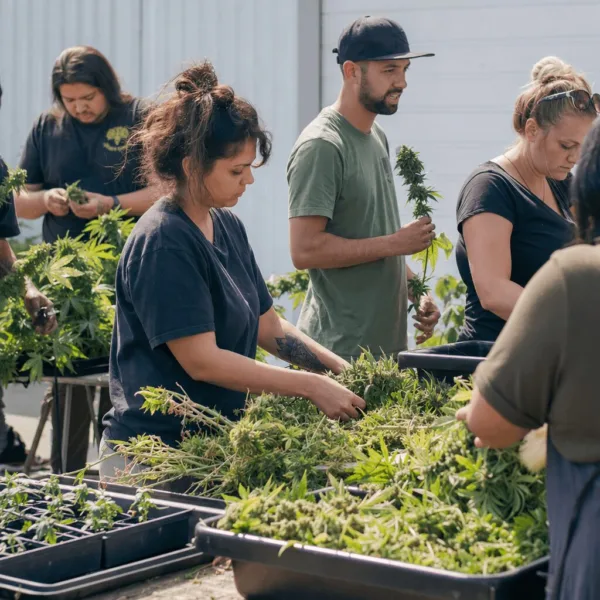




North Carolina Marijuana Legalization: Council Update & Big Impacts
Curious about north carolina marijuana legalization? You’re in the right place. This topic is red hot thanks to a new wave of recommendations from the state’s advisory council, plus major public debate around the social and economic impacts of legalization. With cannabis markets booming in neighboring states and federal attitudes shifting, the stakes for North Carolina have never been higher. This article unpacks what’s happening, why it matters, and what’s next for the state.
Legal Landscape: North Carolina’s Cannabis Crossroads
Let’s set the table. North Carolina remains one of the last southeastern states holding out on broad cannabis reform. As of today, marijuana is only allowed for extremely limited medical use, think low-THC hemp oils for intractable epilepsy. Full recreational legalization is still off the books, though pressure is mounting from advocacy groups, voters, and national trends. According to Marijuana Policy Project reports, polls consistently show a majority of North Carolinians favor reform. Beyond public support, regional momentum adds heat, as neighboring Georgia considers expanding its medical marijuana access. Virginia legalized adult-use cannabis in 2021, while states like Maryland and South Carolina are seriously exploring reforms. The federal landscape also looms large, as Congress debates rescheduling cannabis and rolling back decades of prohibition policy. The result? Major uncertainty, and a sense that the north carolina marijuana legalization debate is moving from backburner to front-page news.
Recent Moves: Advisory Council Sets the Stage
Things got real on April 10, 2026, when the state’s Marijuana Legalization Advisory Council dropped new recommendations that could shape legislative action for years to come. According to a recent Asheville Citizen Times report, this body, comprised of lawmakers, law enforcement, public health, and industry reps, delivered a play-by-play on how north carolina marijuana legalization could work. Highlights include:
- Proposing tightly controlled retail sales, modeled after neighboring states’ regulatory playbooks, similar to how Massachusetts revised its cannabis legislation to balance access and oversight.
- Strong focus on public education, youth prevention, and data-driven impact assessments.
- Clear call for equity-centered licensing, so underrepresented groups can actually get a seat at the table.
- Recommended timelines for phasing in medical marijuana expansion before opening the door to recreational use.
While no bill is on the governor’s desk yet, lawmakers on both sides are clearly lining up arguments and allies. Industry insiders and social justice advocates are also jostling to shape the conversation, signaling that the fight over north carolina marijuana legalization is entering a pivotal phase.
Deep Dives: What Does It All Mean?
Let’s spark up the expert takes. These council recommendations could have a massive ripple effect, not just in Raleigh but across the industry nationally. According to industry veterans quoted in Marijuana Moment, North Carolina’s embrace of careful, phased legalization could set a new southern standard. “What we see in North Carolina is a deliberate, balanced approach, learning from neighbors’ mistakes and their wins,” explains cannabis law expert Charlotte Greene. “It’s less about rushing a market grab and more about getting it right from the jump.” The emphasis on equity licensing is especially important. In too many states, legacy market pioneers and marginalized entrepreneurs got boxed out. North Carolina’s focus here could help fix structural issues seen in big markets like Illinois and New York (NORML details these disparities). For those following news of recent cannabis raids in other states, such as when Oklahoma authorities targeted unlicensed growers in Tulsa, it’s clear that enforcement approaches are shaping business realities across the region. Expect fresh opportunities for small business, vibrant craft brands, and micro-producers alongside the inevitable rise of industry giants. Of course, plenty of hurdles remain, from banking headaches and interstate transport risks to patchwork local bans. Still, sector watchers agree, the policy is moving from myth to matter-of-fact business reality.
What’s Next? North Carolina’s Green Future
Looking forward, north carolina marijuana legalization will shape state revenues, job growth, and even criminal justice reform for years to come. If lawmakers back the council’s measured, equity-centered plan, expect the Tar Heel State to become a model for responsible southern legalization—one with strong consumer protections, new economic opportunities, and real community input. According to Leafly’s national legislative updates, bipartisan support for legalization is growing fast—and failure to act risks leaving North Carolina behind its neighbors. For advocates, patients, and entrepreneurs, a legal and inclusive cannabis market isn’t just a pipe dream. It’s a new chapter waiting to be written, one where north carolina marijuana legalization can finally benefit everyone—not just a privileged few. Stay tuned—this joint story isn’t done burning yet.
Originally reported by: citizen-times.com