



FBI hemp marijuana policy: What agents can and can’t do
America’s cannabis industry moves fast—sometimes faster than the law itself. The FBI hemp marijuana policy just hit headlines again, and for anyone in the scene, it means one thing: even federal agents have to play by new rules. With public opinion shifting and green markets blossoming, policies like these shape both security and business opportunities. Whether you’re a seasoned cultivator, a curious investor, or just want to keep things legal, here’s the 411 on the latest developments and what it means for the industry and legalization efforts nationwide.
Understanding the Regulatory Landscape: The Roots of the FBI Hemp Marijuana Policy
The FBI hemp marijuana policy isn’t just about workplace rules, it’s a snapshot of America’s turbulent relationship with cannabis. Since the 2018 Farm Bill, hemp (legally defined as cannabis containing less than 0.3% THC) entered the scene as a federally recognized crop. Yet, marijuana remains a Schedule I substance under federal law, creating a strange split. According to NORML’s federal cannabis policy guide, this divide means law enforcement officers face strict employment and ethical restrictions around marijuana, while hemp is handled as an agricultural commodity. The FBI hemp marijuana policy is shaped by this context: agents must steer clear of marijuana businesses—even if those businesses are legal within their states—while hemp enterprises are treated with much more flexibility. Social attitudes are rapidly shifting, too, as Pew Research Center reports a large majority of Americans now support legalization in some form. This disconnect between law, culture, and business gives rise to policies that feel both progressive and outdated, and that’s exactly where the current debate sits. For example, states considering next steps in legalization often face similar challenges and questions as explored in the discussion surrounding cannabis law changes in North Carolina.
Key Developments & Core Issues in the FBI Hemp Marijuana Policy
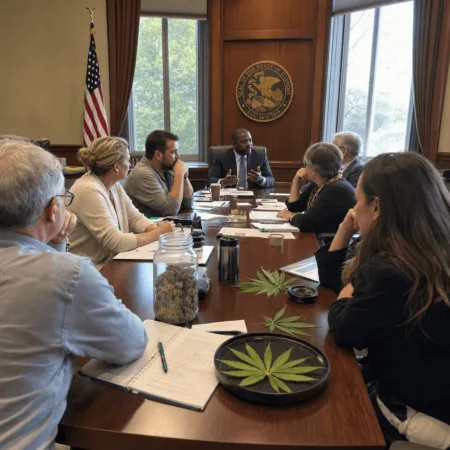
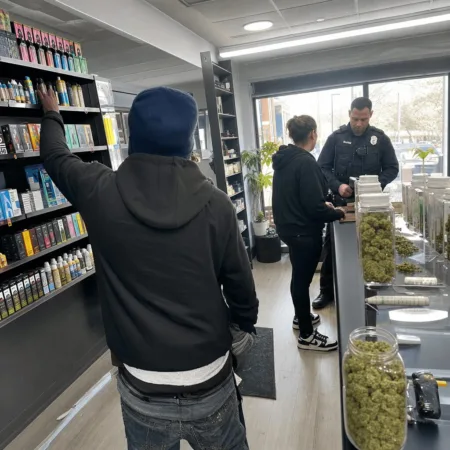
Let’s get down to brass tacks. The FBI’s newly declassified internal memo clarifies what its agents can, and absolutely cannot, do. FBI hemp marijuana policy states that agents are now allowed to invest in or be employed by hemp businesses, but the marijuana side remains strictly off-limits. This isn’t just a theoretical distinction: according to Marijuana Moment, the memo specifically prohibits FBI personnel from holding financial interests in marijuana companies, even if they’re operating fully above board within state lines.
The memo was quietly released mid-2023 after long-standing confusion within the bureau. Notably, it comes as major states like New York, California, and Illinois expand adult-use cannabis markets, creating massive job growth and investment opportunities on the marijuana side that remain inaccessible to federal agents. Hemp, however, is green-lit, as long as companies comply with federal standards for THC content. Opportunities linked to expanded labor protections have also made headlines recently, similar to what we’ve seen in Missouri with new cannabis labor rights. The FBI hemp marijuana policy thus reflects a real-world attempt to reconcile the letter of federal law with the practical realities of an evolving industry.
Sources such as Forbes confirm that this policy gap cuts agents off from much of the industry boom, even as federal laws lag behind state reforms. Some federal employees have lost jobs for minimal marijuana exposure, while others are quietly investing in the expanding hemp industry. The lack of consistency has led to heated debates and calls for standardized, science-based regulations at both the agency and congressional levels. Beyond employment, shifting FDA enforcement and benefits questions for seniors persist, as recently discussed in this ongoing update about CBD, Medicare, and FDA rules.
Expert Insights: Why the FBI Hemp Marijuana Policy Matters
The FBI hemp marijuana policy serves as a litmus test for how the country navigates cannabis normalization. From an advocate’s view, it’s a classic example of the wider culture clash between archaic federal laws and vibrant, fast-moving cannabis markets across the U.S. As Leafly notes, “the federal government risks being left behind as states and science move forward on cannabis.”
In a recent panel, NORML Board Member David Holland put it bluntly: “The distinction the FBI draws between hemp and marijuana isn’t rooted in plant science, but in the history of bad laws, and the longer we tolerate that, the more we hamstring economic opportunity and erode trust in law enforcement.” He’s not wrong. Investors, potential job seekers, and even law enforcement officers themselves are calling for an end to this regulatory whiplash. The tension between expanding access and ongoing legal restrictions is further reflected in the way localities have adapted zoning for cannabis, as highlighted in this coverage of Meriden’s cannabis-related zoning amendments.
The FBI hemp marijuana policy also has national repercussions beyond the agency. It signals how slowly federal employment policies adapt to state reforms and reflects challenges faced by everyone from Wall Street to Main Street. Many industry leaders argue it’s a sign that federal cannabis rescheduling, or even eventual legalization, can’t be delayed much longer. With billions in state revenue and job growth on the line, the pressure is on for Congress to close the gap between hemp freedom and marijuana prohibition in federal policy.
Outlook: Charting a Progressive Cannabis Future
The evolution of the FBI hemp marijuana policy is just the tip of the iceberg for broader cannabis reform. For advocates, business leaders, and job seekers, it’s a clear sign that change is possible—even if it sometimes moves at federal speed. As the nonpartisan Cannabis Business Times projects, national cannabis industry growth remains robust, with more states pushing for reform and federal agencies facing increased pressure to modernize.
In the meantime, industry insiders can look forward to more legal clarity, more social acceptance, and—eventually—truly unified, science-driven cannabis law. The bottom line? The FBI hemp marijuana policy reminds us all that while the road to sensible reform can be a little bumpy, America’s cannabis community is moving forward together, one policy shift at a time.
Originally reported by: marijuanamoment.net
1 Comment
Pingback: Home Cannabis Cultivation Rights: What You Need to Know Now