


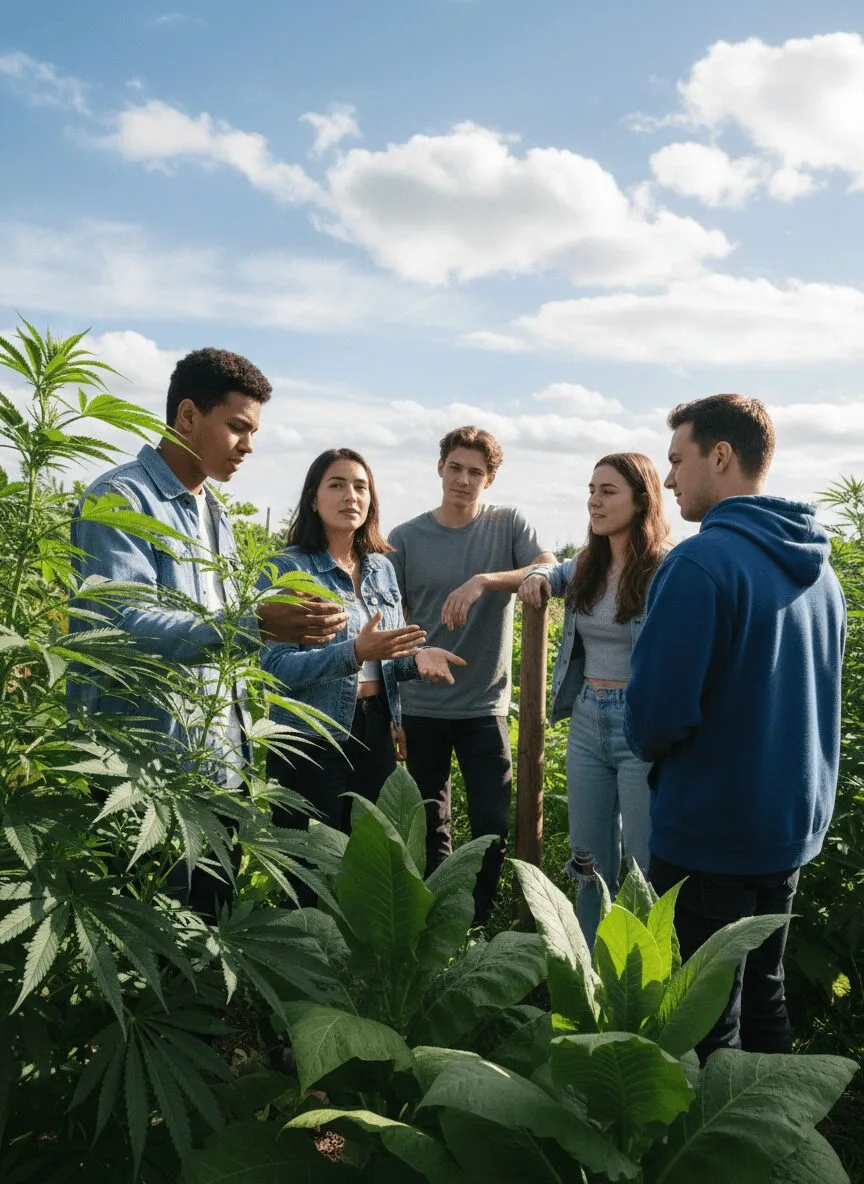
Genetically Engineered Psychedelic Plants: The Future of Highs?
In 2024, genetically engineered psychedelic plants are making serious waves, shaking up what we thought was possible both in science and culture. With psychedelics trending in medical research and cannabis booming across legal markets, news about scientists bioengineering plants to produce psychedelic compounds couldn’t land at a juicier moment. We’re talking about tobacco and cannabis reimagined—not just for the high, but for potentially life-changing therapies and creative experiences. As regulatory walls wobble and public curiosity spikes, let’s dig into the roots, risks, and massive potential of genetically engineered psychedelic plants.
Regulatory and Market Landscape for Genetically Engineered Psychedelic Plants
The backdrop for genetically engineered psychedelic plants is a patchwork of evolving rules and social shifts. On one hand, North America and parts of Europe are loosening restrictions on both cannabis and certain psychedelics, fueled by positive clinical trials and economic incentives. According to Statista, the global psychedelic drug market is predicted to top $10 billion by 2027. Legal cannabis, meanwhile, is now a $30+ billion sector in the US alone. But genetically tweaking plants to synthesize multiple psychoactive compounds introduces new regulatory questions. The FDA and USDA are already wrestling with genetically modified organisms, and the FDA recently signaled openness to psychedelic therapies. Meanwhile, public stigma around psychedelics is thinning, with cities like Denver and Oakland having already decriminalized plant-based substances such as psilocybin and mescaline. Recent legislative developments, such as medical cannabis regulatory changes in states like Georgia, show how regional reforms are driving both innovation and compliance momentum across the wider industry landscape, highlighted by ongoing debates over medical marijuana legislation. This social momentum creates fertile ground for genetically engineered psychedelic plants to take root, though final regulatory green lights aren’t exactly a sure bet yet.
Innovations and Milestones in Genetically Engineered Psychedelic Plants
The real fireworks started when a team of researchers, as recently covered by Science, engineered common tobacco plants to produce not just one but five classic psychedelic compounds simultaneously, including DMT, ibogaine, and mescaline. Using CRISPR and advanced genomics, they transplanted molecular pathways from fungi and cacti into plant DNA. This move marks a world first, with agriculture as a factory for rare or controversial psychoactive molecules. The experiment, backed by a group of US-based university scientists, reached proof-of-concept results in early 2024. These developments in genetically engineered psychedelic plants parallel the growing focus on transparency and compliance in cannabis supply chains, reflected in discussions around cannabis track-and-trace solutions for industry compliance. The real kicker? This opens a door to producing psychedelic molecules in scalable, leaf-based form with potential for pharmaceutical and even recreational applications, pending hefty regulatory review. The Multidisciplinary Association for Psychedelic Studies (MAPS) has hailed such studies as ‘game-changing,’ while others argue these moves could help democratize access and research, reducing the black-market risks tied to synthetic or smuggled substances.
Expert Analysis and Deeper Pro-Cannabis Insights
The leap toward genetically engineered psychedelic plants is not just a biotech shockwave, but also a cultural flashpoint in the cannabis world. These innovations echo cannabis’s own transformation, from underground stigma to mainstream medicine and lifestyle. If you ask Ethan Nadelmann, founder of the Drug Policy Alliance, he argues in a New York Times op-ed, “Breaking the taboo around psychedelic plants could spark an era when safe, science-based access wins out over old myths and fears.” With genetically engineered psychedelic plants, growers could soon create hyper-custom strains blending therapeutic molecules for everything from anxiety relief to creative exploration. The importance of responsible science and regulation is evident, and the cannabis industry’s experience with testing and compliance offers a strong precedent. For example, cannabis waste reduction strategies are not only transforming sustainability but also influencing best practices in the sector, as highlighted in the article on manufacturing waste reduction transforming the green industry. Using lessons from cannabis, the new wave of psychedelic botanicals can aim for both innovation and safety, keeping consumer trust at the heart of progress.
The Future of Cannabis and Psychedelic Bioengineering
All indicators suggest genetically engineered psychedelic plants may become a pillar of the next biotech and cannabis booms. As mainstream attitudes chill out and serious medical research piles up, the climate for these botanical disruptors gets friendlier by the month. Pioneering companies and scientists have their roots in solid science—and with ongoing regulatory evolution, the odds of safe, legal access to these innovations look promising. According to Forbes, social acceptance is rising as more people recognize psychedelics’ potential for wellness, therapy, and creativity. Whether you’re a legacy grower, a canna-curious newcomer, or just here for the science, keep an eye out: the garden’s about to get a lot more interesting.
Originally reported by: science.org