

Army enlistment age increase: Surprising changes revealed
These days, talk about the Army enlistment age increase is taking center stage, and for good reason. With shifting social norms, workforce shortages, and ever-evolving attitudes toward cannabis, policy makers are making moves that affect a broad spectrum of Americans. This topic matters for both those thinking about service and anyone interested in the changing face of national defense. We’ll break down why this trend is pivotal for older adults, how cannabis use intersects with new policies, and what these shifts signal for both the Army and the cannabis community.
Broader Social Currents: Shaping the Army and Cannabis Landscape
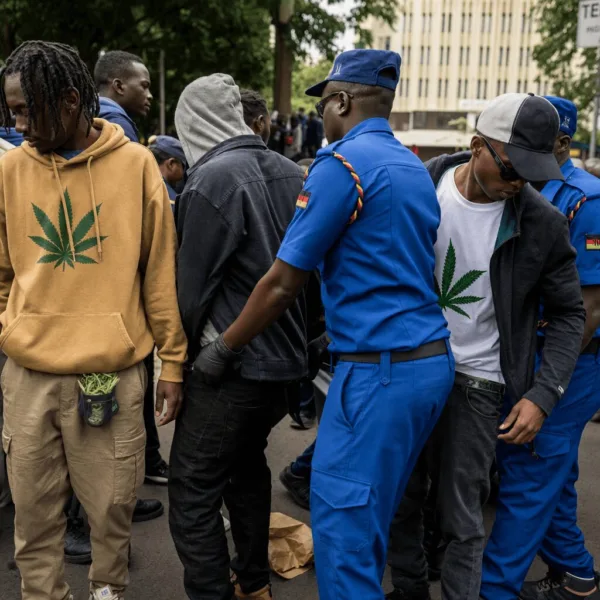
The Army enlistment age increase didn’t happen in a vacuum. America’s military has faced tough recruitment challenges, with reports from sources like Military.com highlighting back-to-back years of missed recruitment goals. Social factors like a tightening job market and shifting cultural attitudes around the military are pressuring lawmakers to make enlistment more accessible, as changing drug enforcement and evolving cannabis laws play a growing role in eligibility decisions—for example, recent cannabis-related arrest reports in Louisiana have shown how community attitudes are in flux.
On the regulatory side, federal law traditionally capped military enlistment age, so regular Army recruits had to sign up by age 35. Meanwhile, the patchwork of state cannabis laws complicates matters for would-be enlistees, as federal policies still classify cannabis as a controlled substance even as acceptance grows. A rising number of states—Pew Research Center tracks—have legalized medical or recreational cannabis, creating tension with federal prohibitions that directly affect military eligibility. This interplay between military recruitment needs, evolving state cannabis laws, and generational shifts in public perception sets the table for major policy tweaks. The Army enlistment age increase reflects both workforce realities and the slow but steady normalization of cannabis culture, even in traditionally conservative spaces such as the armed forces.
Recent Changes: Army Enlistment Age Increase Makes Waves
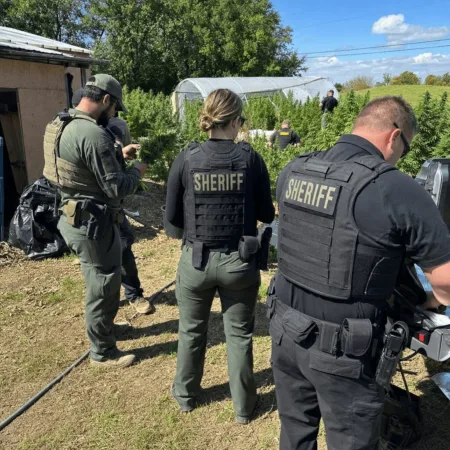
According to recent reporting from the Dallas Express, the U.S. Army has announced an official increase to its maximum enlistment age. Under new guidance, candidates can join up to age 42, up from the previous cap of 35 years. This marks a significant shift, aiming to tap into older, more experienced recruits while navigating an all-time-low pool of qualified younger applicants. Some regions dealing with complex community impacts from drug cases—like recent meth and drug busts in Knox County—are seeing these changes as interconnected with broader shifts in who the military wants to recruit.
Military spokespersons shared that the policy shift is tied directly to defense readiness: demand for skilled service members far outpaces supply in the 17, 24 age bracket, with eligibility further restricted by background screens, health requirements, and (notably) past cannabis use. The Army clarified that, while federal prohibition remains in force, recruits with minor prior cannabis offenses may face fewer disqualifying hurdles compared with other criminal offenses—as reported in Stars and Stripes.
This Army enlistment age increase takes effect immediately and aims to bring in experienced civilians, including those with logistics and tech backgrounds, and even individuals whose life stories intersect with cannabis policy shifts or adjacent industries, making age waivers more common.
Expert Analysis & Cannabis Culture Connections
Let’s talk turkey: the Army enlistment age increase is not just a numbers game. It highlights how the military is, slowly but surely, wrestling with the reality that cannabis is part of mainstream American life. According to Marijuana Moment, over half of U.S. adults support legal cannabis, and usage rates have never been higher among adults aged 30+, the very group now targeted for Army recruitment. This demographic brings leadership, work ethic, and broad skills—including experience gained within the legalized cannabis sector, as explored in insights about shifts within the cannabis and psychedelic sector.
Brandon Wyatt, a veteran and cannabis policy advocate, notes: “This new policy reflects not just the Army’s need for bodies, but its need to stay relevant. The military can’t afford to ignore how many skilled professionals—veterans, tradespeople, even first responders—now have some connection to legal cannabis. Excluding them would be a loss for national defense and a loss for smart policy making.” (High Times)
The Army enlistment age increase mirrors larger shifts within the cannabis industry. As more adults use legal cannabis responsibly, their experiences challenge old stereotypes about reliability and fitness for service. The Army’s new age policy—even while still maintaining screening rules for new use—could signal a wider move toward accepting past, minor cannabis involvement as a non-issue, so long as recruits meet health and readiness standards. It’s a bold step, and the cannabis industry will be watching how it plays out on the ground.
Where We’re Headed: The Army, Cannabis, and a More Inclusive Future
Looking forward, the Army enlistment age increase is more than just a headline—it’s a signal flare for wider changes in national policy, public attitudes, and cannabis industry growth. As America’s military needs shift alongside generational and cultural evolutions, the cannabis community stands to gain broader inclusion and public legitimacy. These trends are confirmed by Leafly’s political analysts, who see regulatory barriers slowly coming down nationwide.
The blend of seasoned adults, evolving Army protocols, and rising respect for legal cannabis use points toward a future where stereotypes fall away. The parallels between military and cannabis-policy reform are clear: it’s about access, fairness, and recognizing the unique potential of all Americans, regardless of age or background. As the Army’s new policy takes effect, expect other institutions—including employers and lawmakers—to follow suit, bringing fresh opportunities for everyone invested in responsible cannabis use and service.
If you’re contemplating next steps—whether joining the Army later in life, entering the growing cannabis sector, or building bridges between them—there’s never been a better time to watch these worlds intersect.
Originally reported by: dallasexpress.com