




Why Lawmakers Want to Repeal Recreational Cannabis Now
With ballot initiatives and heated debates making headlines, the movement to repeal recreational cannabis is gaining traction in unexpected corners. Recent pushes in state legislatures and advocacy from community groups have put the future of recreational cannabis front and center. Whether you’re in the industry, a patient, or an enthusiast, these developments could change how you roll—literally and figuratively. In this article, we’ll unpack why cannabis opponents are mobilizing, what’s really behind the push to repeal recreational cannabis, and what it could mean for everyone.
The Roots of the Movement: Context Behind Calls to Repeal Recreational Cannabis
To understand why some lawmakers and groups are aiming to repeal recreational cannabis, we’ve got to look at the shifting regulatory and social landscape. After several years of rapid legalization, blazing trails across states like Colorado, California, and Massachusetts, the initial optimism has been checked by concerns over unregulated cannabis markets, upticks in youth access, and complex tax dynamics. According to the National Conference of State Legislatures, more than 20 states have now legalized recreational cannabis, but not without backlash. Local municipalities in legalized states have also pushed for tighter controls or outright bans, citing worries about community safety or local business impacts, a situation reminiscent of the local business registration processes faced by cannabis entrepreneurs in emerging markets. At the same time, legal complexities from federal prohibition keep banks, insurance, and interstate commerce on shaky ground, a fact highlighted regularly in Congressional hearings (as seen on Congress.gov) and further complicated by industry banking risks, as discussed here. Meanwhile, anti-cannabis advocacy groups, emboldened by reports of alleged health and crime concerns, have become increasingly vocal.
Key Developments: Recent Moves to Repeal Recreational Cannabis
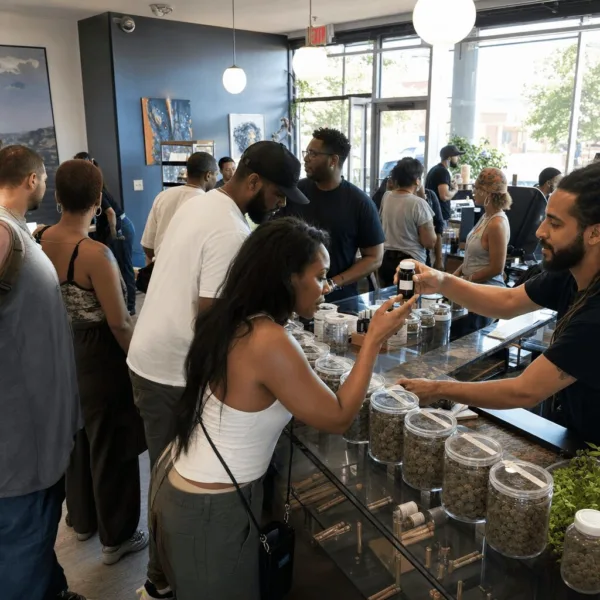
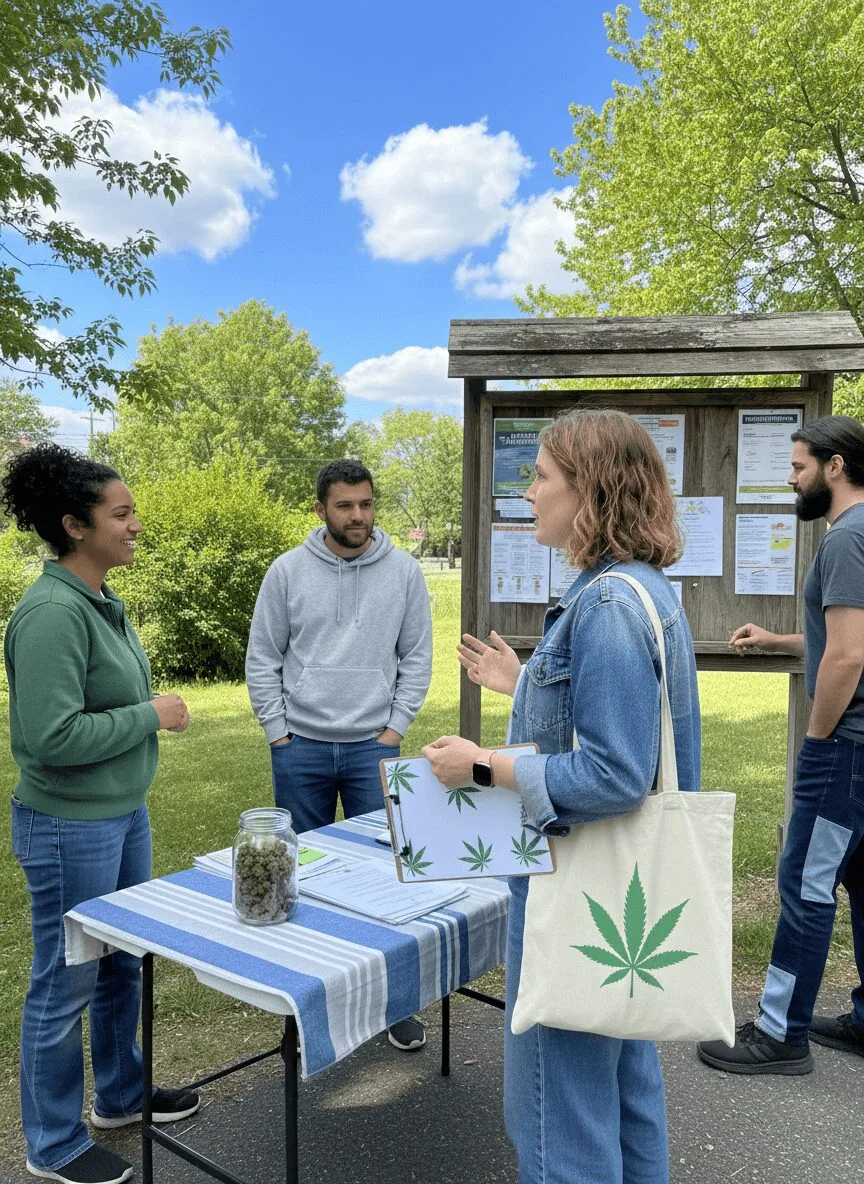
The latest flashpoint is Massachusetts, where an anti-marijuana ballot initiative is picking up steam. According to a recent Boston Globe article, advocacy groups are circulating petitions for a 2026 ballot measure that would repeal recreational cannabis statewide. This campaign is reportedly backed by some local lawmakers and prominent community organizations. The group behind the measure claims an uptick in cannabis-related DUIs, hospital visits, and issues in schools, concerns that echo recent headlines about youth interactions with THC products in schools and communities. Notably, business stakeholders are concerned, dispensary owners warn that a repeal would eliminate thousands of local jobs and devastate small businesses built since 2016, when Massachusetts first legalized adult-use cannabis. In parallel, similar repeal efforts are quietly simmering in other states, with legal filings and public hearings emerging in conservative-leaning districts (documented by NORML). The Massachusetts petition initiative, if it qualifies for the ballot and passes, would set a precedent that other states could follow, fundamentally reshaping the national conversation around cannabis legalization and potentially influencing policy debates in other places experiencing regulatory uncertainty, as seen in Mississippi’s evolving medical cannabis landscape.
Expert Analysis & Pro-Cannabis Counterpoints
While the repeal recreational cannabis movement is drawing fresh attention, leading industry voices offer a different take. Most experts agree that swings in public policy often follow high-profile incidents, but a wholesale repeal could backfire. Cannabis industry consultant David Downs, via Leafly, notes: “Repealing recreational cannabis doesn’t address problems, it just pushes them back into the illicit market.” Meanwhile, a Drug Policy Alliance analysis contends that regulated markets actually lead to lower youth use rates compared to black market approaches, citing studies out of Colorado and Washington. Furthermore, states that have embraced legalization report hundreds of millions in new tax revenue, funding public health, schools, and roads (according to Marijuana Policy Project). Legal experts remind us that criminalizing cannabis again would revive old inequities, especially for marginalized communities disproportionately affected by the war on drugs. As advocates point out, smarter regulation—rather than outright repeal—could resolve many of the current concerns over access, safety, and taxation, similar to ongoing debates about CBD regulation and consumer safety in other segments of the marketplace.
Outlook: Where the Cannabis Industry Goes from Here
While efforts to repeal recreational cannabis have reignited fierce debate, the overall national trajectory remains pointed toward greater acceptance and sensible regulation. States like New York and Illinois are proof that even complex rollouts can be improved through collaborative policy tweaks rather than scrapping legalization entirely (backed by Cannabis Business Times). Public opinion polls continue to show strong, growing support for legal cannabis—and as the industry matures, more voters are aware of both the risks and rewards. The next few years will almost certainly test the resolve of the industry and its advocates, but history suggests the cannabis movement has deep roots and high resilience. For now, stay informed and engaged—because the push to repeal recreational cannabis may just be a speed bump, not a dead end.
Originally reported by: bostonglobe.com


2 Comments
Pingback: Marijuana Port of Entry Search: What Really Happens?
Pingback: Kevin Carducci The Money: Must-See Video Premiere & Story