




Manila marijuana seizure: Massive ₱640M bust shocks city
The Manila marijuana seizure has dominated headlines, underscoring the changing cannabis scene in the Philippines. This major operation at Manila Port seized a staggering ₱640 million worth of illicit cannabis. With the city shocked, the cannabis dialogue is heating up—raising new questions about law enforcement tactics, regulatory barriers, and how shifting attitudes impact both legal and underground cannabis markets. Whether you’re a curious observer, policy buff, or industry insider, you’ll want to know what’s really happening behind the headlines. Let’s break it down and explore what this Manila marijuana seizure means now—and next.
Regulatory Realities & Social Backdrop in the Philippine Cannabis Scene
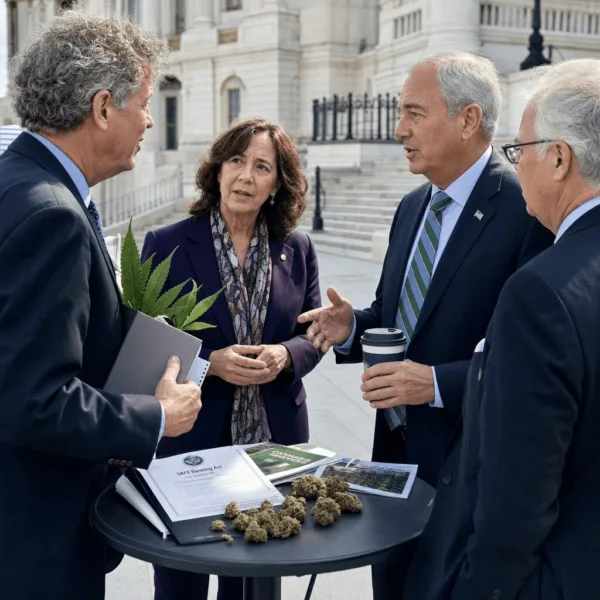
The cannabis industry in Southeast Asia remains a wild ride, especially in the Philippines where the law draws hard lines. Current Philippine law classifies cannabis strictly as a prohibited drug under the Comprehensive Dangerous Drugs Act of 2002. Medical marijuana is only barely tiptoeing onto the radar, with scattered advocacy movements calling for reform. Social attitudes skew conservative, with a family-first, law-and-order mindset, and a deep-rooted wariness toward anything that smells like recreational use. Raids and high-profile Manila marijuana seizures aren’t unusual, often capturing headlines in both local and international news, keeping the pressure on politicians and police to act tough. As part of this landscape, events that expose both youth and family concerns about cannabis highlight just how complex the conversation is for every parent and teen. Discussions about cannabis risk among youth reflect this ongoing debate. Despite these constraints, a rising global trend toward cannabis reform is slowly fueling calls for more balanced policies. The dichotomy between prohibition and progress is at play every time a major bust grabs the spotlight.
How the Manila Marijuana Seizure Unfolded: Key Details on the Mega Bust
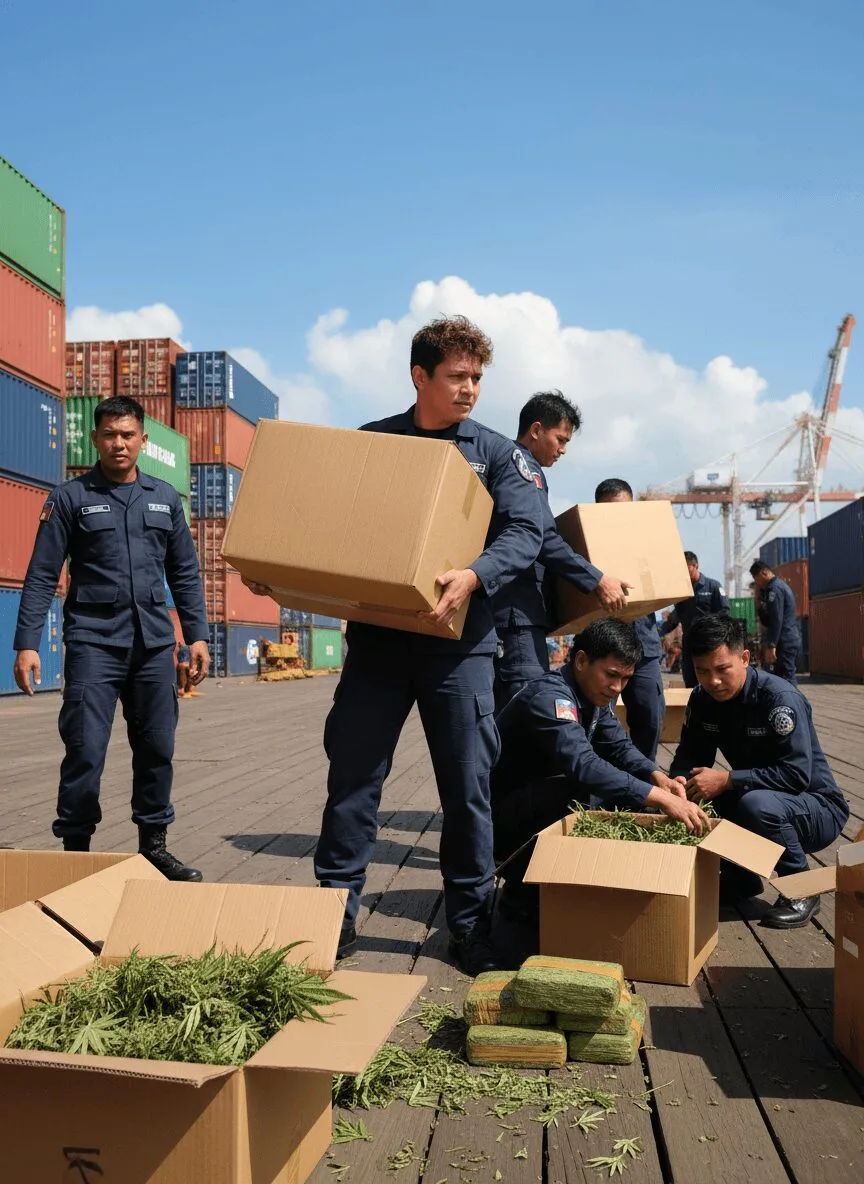
This week, the Philippine Drug Enforcement Agency (PDEA), backed by law enforcement, intercepted a massive marijuana shipment at Manila Port. According to Inquirer News, officers seized over ₱640 million worth of cannabis stashed inside large cardboard boxes. The bust netted not just leafy plant material but also tightly wrapped bricks, implying a sprawling operational network. Authorities arrested a primary suspect on site as part of the Manila marijuana seizure operation. Investigators believe the contraband originated from the Cordillera region, a well-known source of Philippine-grown marijuana, and was en route to urban distribution centers, a scenario reminiscent of other high-profile drug busts making national news. Shocking police actions in cannabis factories abroad show just how global these operations can become. Law enforcement officials described the haul as “historic,” reaffirming their commitment to narcotics control amid mounting scrutiny and political pressure. This Manila marijuana seizure signals both persistent demand and increasingly sophisticated smuggling tactics, especially in a port bustling with international trade.
Expert Analysis: What This Means for Cannabis Policy and Industry Trends
Let’s get real, major busts like the Manila marijuana seizure aren’t just flashy headlines, they’re a window into the complex interplay between enforcement, supply, and demand. For experienced observers, it’s clear that record seizures reflect both heightened enforcement and the market’s resilient demand. Global trends show that strict prohibition in one region only pushes supply chains underground, with real consequences for societal safety and perception. As Leafly observes, “Southeast Asia’s cannabis consumers are resilient, adapting as laws shift and enforcement fluctuates.” The Philippines’ tough-on-drugs policy faces growing calls for nuance, especially as more Asian countries consider liberalization. Recent events elsewhere, such as traffic-stop marijuana seizures sparking nationwide debates, illustrate how legal and social perceptions are evolving worldwide. Still, the Manila marijuana seizure is a reminder that without regulated channels for medical or recreational use, underground networks fill the gap—often at significant legal and human cost. The endurance of these illicit networks signals that while change is slow, momentum is building in response to shifting public attitudes and evolving global policy.
Where Does the Road Lead? Future Possibilities in a Post-Seizure Manila
This Manila marijuana seizure may shock, but it’s also a catalyst for bigger, bolder conversations. Behind the drama lies a cannabis industry and advocacy movement slowly gaining a voice. As countries like Thailand, Canada, and select US states have proven, reform can drive out criminal elements by opening the doors to regulated, safer, more transparent markets. Reliable sources such as Marijuana Moment argue that continued prohibition will only embolden black markets. For Manila and the wider Philippines, the path forward is uncertain—but packed with opportunity. Whether through clearer medical access, science-driven harm reduction, or economic incentives, positive change is more probable than ever. For now, the big bust serves as both warning and wake-up call. But don’t be surprised if the next major headline tells a more progressive story. The green wave is rolling in—and it’s only a matter of time before Manila surfs it.
Originally reported by: newsinfo.inquirer.net


2 Comments
Pingback: Legal and Illegal Cannabis Competition: The Real Challenge
Pingback: Cannabis Psychedelic Sector Roundup: This Week’s Key Developments