


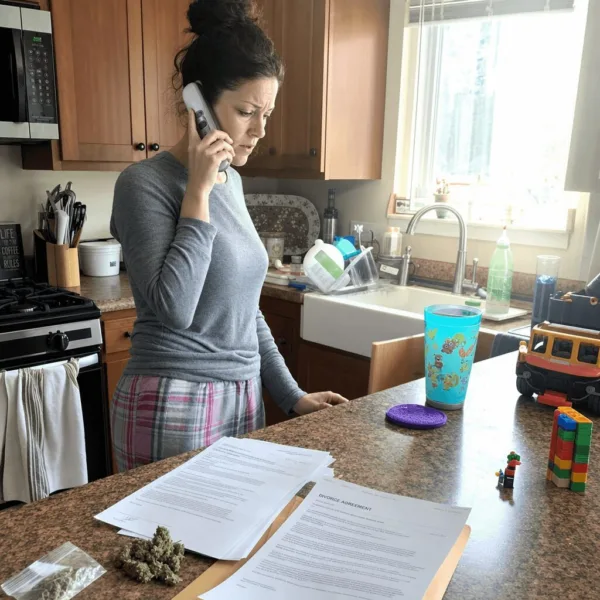



In recent years, cannabis use mental health has emerged as a hot topic across public health, law, and society. With cannabis legalization gaining ground and social stigma fading fast, more people are taking up cannabis than ever before. Yet, fresh research shines a light on the potential mental health implications, making this subject impossible to ignore. This article breaks down the latest data, what it means for users, and how regulatory and industry shifts are shaping the conversation around cannabis use mental health.
Understanding the Cannabis Use Mental Health Landscape
The regulatory environment for cannabis keeps evolving, impacting both access and cultural perceptions. Over 20 U.S. states now have legalized recreational cannabis, and even more permit medical use, according to the National Conference of State Legislatures. While legalization increases product safety and transparency, it also brings new pressures for researchers, policymakers, and mental health advocates to understand and mitigate risks. Unexpected policy shifts in states like Hawaii illustrate what’s at stake when balancing expanded access and oversight. Public health campaigns are ramping up as studies scrutinize the connection between cannabis use mental health outcomes and regulatory changes. Social acceptance has soared, particularly among young adults, but this comes with its own set of challenges, such as addressing rising rates of use and ensuring education about potential mental health effects keeps pace with legal progress.
Key Developments and What the Latest Research Tells Us
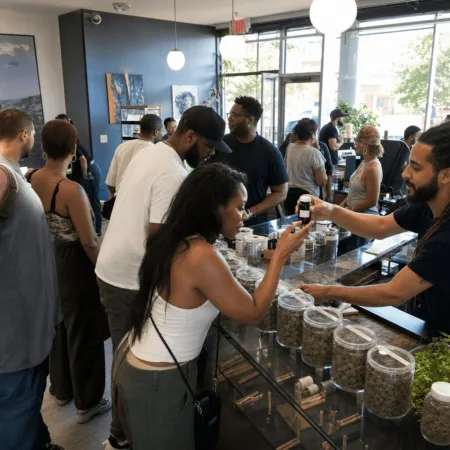
Recent news highlights a surge in cannabis use among young adults, often tied to both shifting laws and access improvements. A major study reported by U.S. News on March 5, 2026, draws a direct line between rising cannabis consumption and increases in self-reported mental health issues. Tracking subjects from several states, researchers found that as use climbed, symptoms like anxiety and depression saw notable upticks, particularly among teens and young adults. Legal victories, such as those recently achieved by voters in Texas, show how ballot measures can drive major access changes. The study, led by respected public health scientists, was careful to note that correlation does not automatically imply causation. Still, the numbers are eye-catching and dovetail with parallel reports cited by the Substance Abuse and Mental Health Services Administration (SAMHSA), which observed a similar pattern in its annual National Survey on Drug Use and Health. Schools, mental health clinics, and state agencies are taking the findings seriously, with some calling for new prevention and early intervention programs focused specifically on cannabis use mental health impacts. Meanwhile, dispensaries are responding by offering more balanced educational content on both positive and possible negative effects.
Expert Insights, Industry Responses & Pro-Cannabis Perspectives
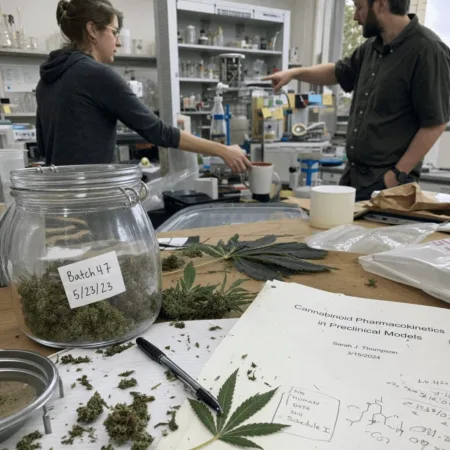
It’s no secret, the uptick in studies linking cannabis use mental health risks has the industry buzzing. Respected researchers and advocates are weighing in with grounded, nuanced takes. Dr. Ethan Russo, a veteran cannabis researcher, told Leafly, “While certain individuals may experience mood disturbances from heavy use, for others, cannabis may very well provide therapeutic benefit, particularly in symptom management for anxiety or PTSD.” This duality is at the heart of today’s debate. Legislative expansions in medical cannabis, such as initiatives under consideration in West Virginia, show how state approaches continue to diversify. What’s often missed is how emerging research underscores the role of dose, product type, and age at first use. Experienced users and patient advocates highlight that responsible consumption, personalized approaches, and open conversations are vital. The industry responds by supporting increased funding for mental health research and stricter age-gating on product sales. Peer-reviewed sources like JAMA remind us that context matters. “We’re moving past clichés, people want real information, not reefer madness,” says Erika Edwards, a longtime community cannabis organizer and health educator. Across the sector, companies and clinics are rolling out educational materials, and regulators are doubling down on fact-based messaging to counter old myths while addressing new concerns regarding cannabis use mental health.
Where Do We Go From Here? Looking Ahead on Cannabis Use and Mental Health
Despite concerns raised by recent findings, the future of cannabis use mental health is far from bleak. The industry and public health authorities are investing in long-term studies, improved dosing guidelines, and targeted outreach—especially for young adults. As cannabis becomes an ordinary part of more lives, expect even better education, clearer labeling, and innovative harm-reduction programs. Social acceptance continues to rise, driven by shifting laws and open dialogue. According to Pew Research, nearly 90% of Americans now support some form of legal marijuana. If industry, policymakers, and advocates keep pushing for responsible use and robust science, the next phase of the cannabis movement will be smarter, safer, and more inclusive—turning the focus from fear to empowerment on cannabis use mental health.
Originally reported by: usnews.com

1 Comment
Pingback: Gainesville cocaine marijuana arrest: What really happened?