



Maine cannabis regulation: How Lawful Growers Face Unfair Penalties
Right now, Maine cannabis regulation is sparking heated debate among cultivators and local leaders. As the legal cannabis market matures, growers face unexpected hurdles that seem to punish those who play by the rules rather than those skipping them. Rising penalties, evolving compliance requirements, and the community’s reaction have placed a big spotlight on regulatory fairness and industry support. In this article, we break down recent developments, explain their significance, and offer real-world expert insights to help readers understand why this moment matters for Maine’s cannabis future.
The Road So Far: Background & Context on Maine Cannabis Regulation
Maine’s journey to legal cannabis started back in 2016, when voters passed landmark legislation legalizing adult-use cannabis. Implementation took years, but by October 2020, the state established a foundation for regulated sales and cultivation, attracting both local entrepreneurs and national attention. The Office of Cannabis Policy (OCP) took the lead, setting up licensing standards, compliance checks, and a roadmap for responsible growth. However, balancing safety, compliance, and business viability has been tricky. According to Marijuana Moment, Maine’s rules were designed to prevent diversion and black market activity. Yet, many growers claim the regulations, while strong on paper, have become burdensome in real life. This dynamic is not unique to Maine—states across the country have faced issues, such as notable challenges with security and enforcement for marijuana grow operations—creating confusion, inconsistent penalties, and increased operational costs for those genuinely trying to play it straight. Societal acceptance of cannabis continues to rise, with polling from Pew Research Center showing a majority of Americans, including many Mainers, in favor of legal cannabis. Still, regulation hasn’t always kept pace with actual public sentiment or the daily realities faced by industry workers. Market pressures, oversupply, and ongoing legislative tweaks round out the picture, so Maine’s cannabis scene is thriving, but stability and fairness are still works in progress.
Latest Developments & Key Issues for Maine Cannabis Regulation
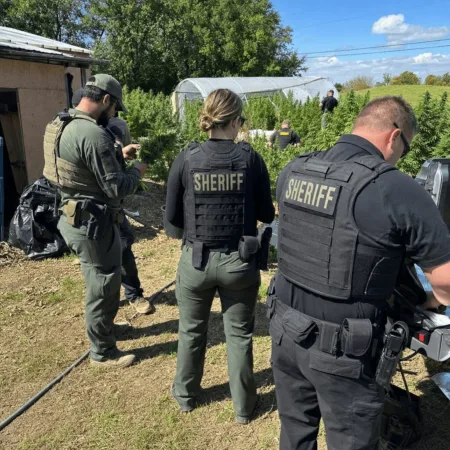
According to a recent article by the Portland Press Herald, a wave of regulatory enforcement has swept Maine’s licensed cannabis growers. In March 2026, several lawful, licensed cultivators received steep fines for minor non-compliance issues, many as simple as a misplaced label or a late paperwork submission. These penalties, enforced by officials at the Office of Cannabis Policy, have frustrated many operators who have heavily invested in following every line of the law. A notable example of the regulatory landscape can be mirrored in how high taxes have influenced industry growth elsewhere, such as in other markets assessing the impact of marijuana taxes and enforcement. One notable case involved a Belfast-based cultivation company, ‘Green Coast Collective,’ that was levied with a $6,000 fine for leaving an inventory tag untethered for less than an hour. The company argued there was no risk of diversion or patient safety breach. Similar fines were imposed on licensed growers in Auburn and Portland, sparking formal complaints and public letters to regulators. Legislative advocates like State Rep. Elise McGrath (D-Downeast) have called on the OCP to rethink its penalty framework and focus enforcement on serious violations, not bureaucratic errors. In response, the state said it is ‘reviewing all recent penalty actions to ensure proportionality and equity.’ These latest moves have brought broader attention to the perceived disconnect between regulatory intent and real-world enforcement, especially for small producers who lack the resources for costly legal defense or rapid compliance system upgrades.
Expert Insights: What Maine Cannabis Regulation Means for Industry and Community
This regulatory friction isn’t just paperwork, it’s a real stressor for cannabis businesses that want to be part of Maine’s economy. According to Leafly’s analysis, overzealous penalties can actually undermine the ongoing transition from illicit to legal markets, making compliance appear both risky and expensive—even for the most diligent businesses. Industry veteran Mallory Stout, owner of a Maine-based cultivation operation, says, “Regulation should be about public safety, not revenue from technical mistakes. Every ounce of effort lawful growers spend on minor red tape is time not spent building safe, sustainable operations.” This echoes warnings from the National Organization for the Reform of Marijuana Laws (NORML), which notes that ‘measured, reasonable enforcement is essential to create lasting trust and compliance.’ On the ground, many cultivators feel stuck: stay compliant and risk arbitrary punishment, or cut corners to survive, which no conscientious grower wants. When considering how regulations affect broader markets, it’s helpful to look at related trends like industry-wide warnings about the volatility within the hemp and THC beverage space—underscoring the need for transparent, responsible oversight that supports both safety and entrepreneurial spirit. When enforcement is constructive, it lifts the entire industry; when it’s punitive for the sake of paperwork, everyone loses.
The Future of Maine Cannabis Regulation: A Brighter Path Ahead
The good news? Pressure from cultivators, advocates, and forward-thinking policymakers is forcing real discussions about how to make Maine cannabis regulation fairer and more adaptive. Recent moves by the OCP to launch a penalty review process and schedule listening sessions with industry leaders mark a hopeful shift. Nationally, cannabis markets have shown that when regulators, businesses, and communities work together, compliance rises and the illicit market shrinks—just ask regulators in Massachusetts, where a collaborative approach dramatically increased legal sales and tax revenue. For Maine, the path forward lies in smarter, more supportive oversight that protects consumers and rewards honest business. The state’s cannabis industry has adapted, grown, and contributed real value—socially and economically. As new reforms take shape, 2026 might be the year Maine cannabis regulation finally pairs solid safety standards with a little bit more common sense and compassion. Here’s to a future where growers can focus on cultivation, not just compliance headaches. Stay tuned; this story’s just getting started.
Originally reported by: pressherald.com