

US musician cannabis border denial shocks industry insiders
The story of a US musician cannabis border denial is making waves in the cannabis industry, raising urgent questions about how evolving cannabis laws are clashing with old-school border policies. With legalization sweeping through North America, sudden travel hurdles like this spotlight emerging inconsistencies and anxieties for artists, entrepreneurs, and anyone savoring the modern cannabis era. We’ll break down what happened, why it matters, and explore both challenges and opportunities this headline brings to light. Get ready for a deep dive into the tangled world of borders, cannabis culture, and shifting regulations.
Changing Regulations and Cannabis at the Border: What’s the Real Backdrop?
Canada and multiple US states have embraced adult-use legalization, fueling a cross-border cannabis economy, but international law hasn’t caught up. As Brookings Institute points out, despite legalization in Canada and many US states, cannabis remains a Schedule I Narcotic federally in the US. This status drives complex legal issues for anyone crossing international borders, especially artists, business travelers, and even tourists carrying any cannabis or with related charges. Canadian border officers routinely reference US criminal databases, flagging travelers for infractions as minor as past cannabis possession. Furthermore, as noted by Marijuana Moment, even those legally involved in state-licensed cannabis can face denials, lengthy interrogations, or bans when attempting entry. Many of these legal conflicts echo challenges recently seen surrounding controversial marijuana-related arrests in the United States, such as the case that drew heated debate in Wisconsin following a high-profile THC arrest that shocked the local community. It’s a regulatory minefield, one that’s lagging behind industry reality and social acceptance in both nations.
The US Musician Cannabis Border Denial: What Really Happened?
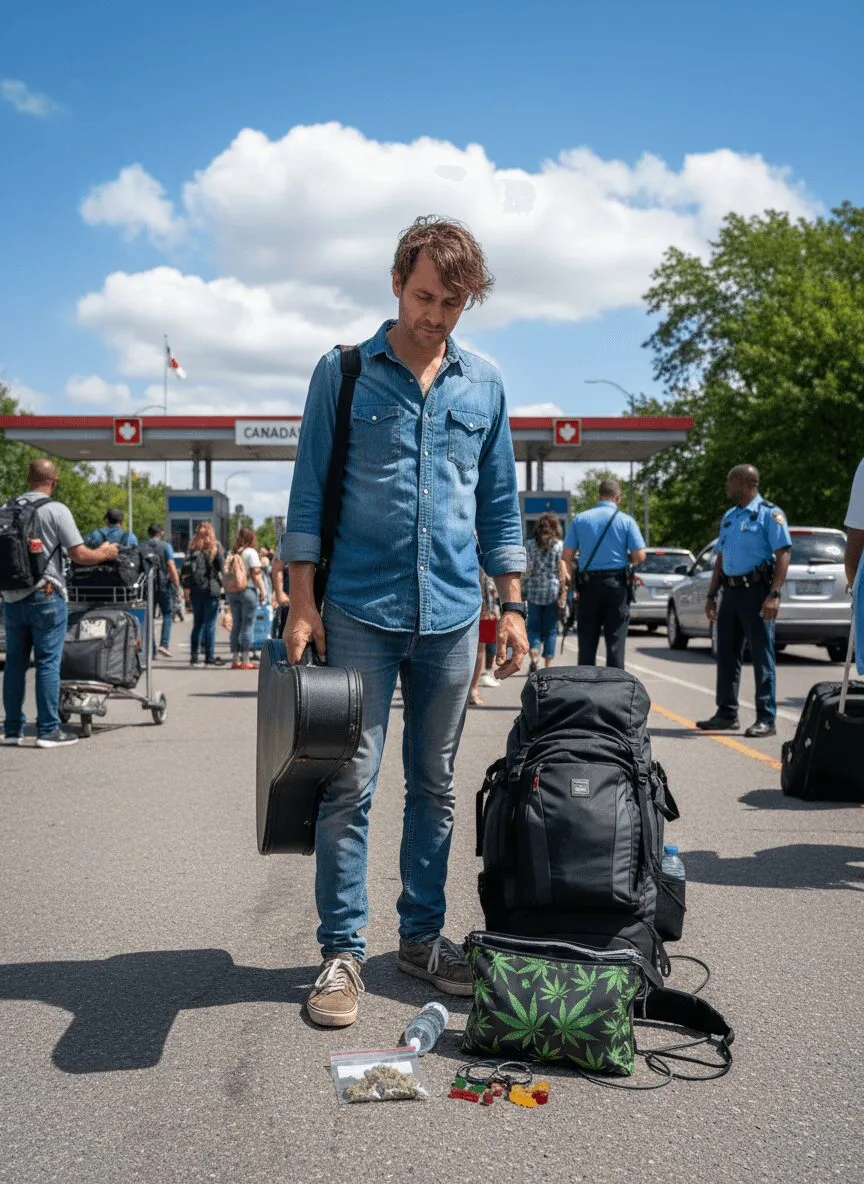
Recently, a US-based musician was denied entry to Canada due to an old cannabis trafficking charge, despite reforms in both countries. According to StratCann, the musician, reportedly in their mid-30s, arrived at a busy Canadian border crossing carrying a guitar case and travel bag. Customs discovered both a past cannabis-related conviction and present-day cannabis items (legal in several US states), leading to the border denial. The incident sent shockwaves through the music and cannabis industries, particularly among those who frequently travel to Canada for major events. This closely mirrors how Florida’s ever-evolving marijuana laws have caused uncertainty and headaches for travelers and artists alike, with many now seeking reliable updates on Florida’s weed legal status. The musician was slated to headline a well-publicized event in Toronto, a gig now canceled, resulting in financial and cultural ripple effects. Official CBSA officers cited the trafficking charge, referencing longstanding bilateral agreements with the US and international conventions. This situation has reignited debate over whether US musicians, industry stakeholders, and travelers face systemic discrimination or unnecessary hurdles because of outdated drug policies. Major publications like Rolling Stone have covered similar cases, highlighting the persistence of legal barriers, even as public opinion and market forces shift in favor of cannabis normalization.
Industry Voices: Why This US Musician Cannabis Border Denial Matters
For artists, advocates, and everyone in the scene, the US musician cannabis border denial is more than a personal setback, it’s a wake-up call. ‘It’s clear that the patchwork of state, national, and international laws creates a real challenge for global mobility,’ explains David Culver, Senior VP of Global Government Relations at Canopy Growth (Canopy Growth Company). He points out, ‘While folks on both sides of the border enjoy legal access, outdated records or possession charges can instantly derail lives and livelihoods.’ This denial is emblematic. As Forbes reports, international travel for cannabis consumers and professionals remains fraught with uncertainty, causing lost business deals, canceled shows, and delayed creative collaborations. These legal gray areas also show why the ongoing debate in Kentucky about recreational cannabis—explored further in this deep-dive on a major recreational cannabis bill—remains so relevant, since local, state, and international inconsistencies continue to fuel confusion. The fact is, thousands now find themselves navigating this legal twilight zone, caught between changing hearts, minds, and laws.
What Comes Next: Redemption, Progress, and the Road to Reform
Despite the frustration over the US musician cannabis border denial, this headline is a call to action for smart reform. Industry experts are confident that enhanced US-Canada cooperation, clear amnesty policies, and updated risk assessment protocols could drastically reduce needless travel denials. Moreover, organizations like NORML and advocacy groups are already working to educate both travelers and border staff. This progress comes as more jurisdictions—like Germany and several US states—move toward full legalization (Leafly). As cultural stigma continues to dissolve, we can expect a future where musicians, artists, and fans cross borders without fear of arbitrary cannabis penalties. The industry continues its upward growth, and with sustained advocacy, the next headlines about border crossings may well be about celebration, not denial.
Originally reported by: stratcann.com