





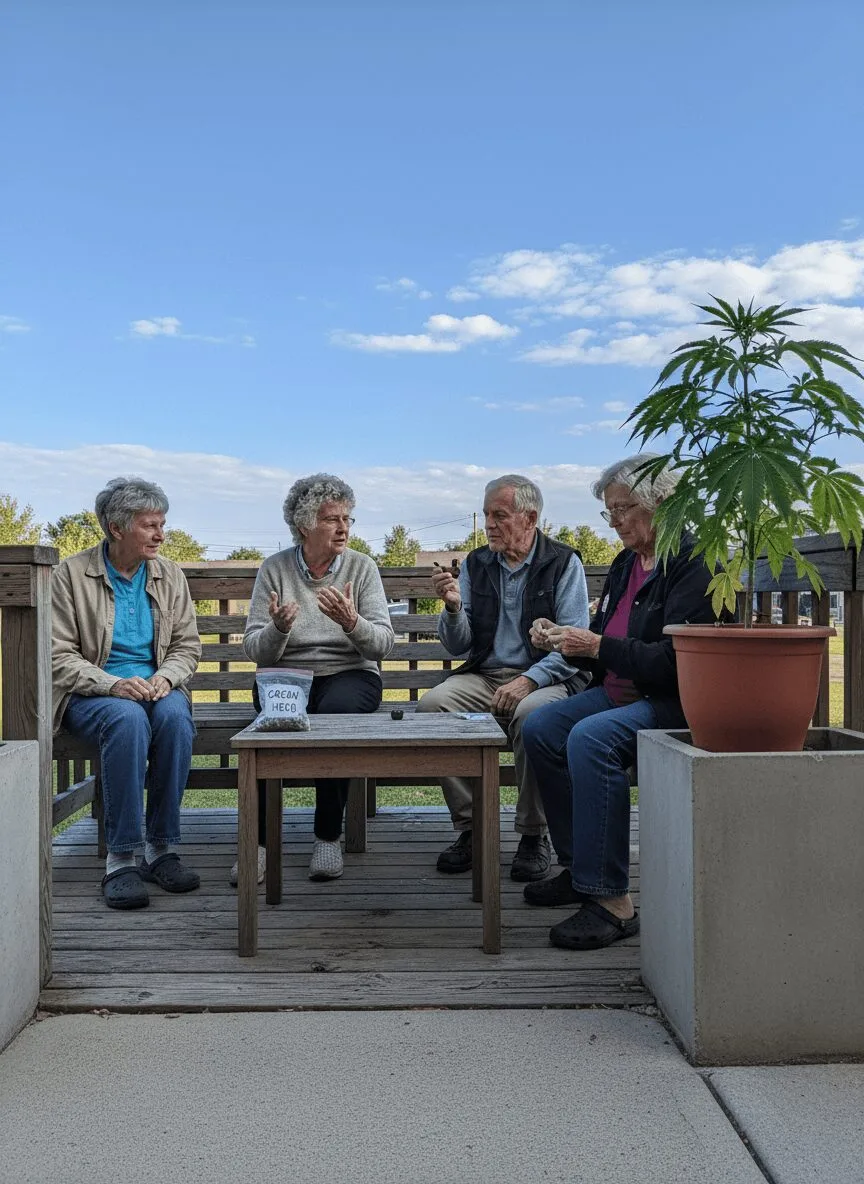
Elderly fentanyl overdoses: Shocking rise affects families
If you’ve been paying even half attention to the headlines lately, there’s no escaping it: elderly fentanyl overdoses are rising, and the impact on families is real, raw, and rolling through communities coast-to-coast. With stories from trusted sources painting a sobering picture, the news hits especially hard for advocates who know there are safer, plant-based alternatives badly in need of proper public conversation. This piece unpacks the roots of this troubling trend, dives into the latest developments, and spotlights society’s opportunity to rethink wellness for our seniors.
The Backstory: Aging, Pain, and a Symptom-Heavy System
The spike in elderly fentanyl overdoses didn’t happen in a vacuum. It’s rooted in a mix of policy, prescription habits, and an aging population grappling with pain management. Over the past decade, the U.S. opioid crisis transformed how doctors, families, and regulators view pharmaceutical pain relief, as tracked by the CDC’s data portal. Seniors, already at risk of chronic conditions, became unintentional victims of a system wired for fast relief, not holistic care. And as fentanyl, far stronger than morphine or heroin, snuck into both the legal and illegal supply chains, its dangers to older adults grew. Laws like the SUPPORT for Patients and Communities Act tried to stem the tide, but gaps remained. Cannabis, meanwhile, pushed for legitimacy, with state-level legalization evolving and federal restrictions still closing many official medical avenues for America’s elders (as the NORML policy tracker details). The interplay of rising chronic illness, shifting laws, and issues such as the Beech Island marijuana bust set the stage for today’s headlines on elderly fentanyl overdoses in a fragmented care landscape.
Key Developments: Cincinnati Study Reveals the Human Toll
Here’s where things get especially real: according to a 2026 report from the University of Cincinnati (UC News, February 2026), fentanyl-related overdose deaths among adults aged 65 and up have surged shockingly in recent years. The researchers tracked not just the numbers, but the heartbreaking ripple effects—adult children, grandchildren, and neighbors left scrambling for answers and support. These elderly fentanyl overdoses spiked even as regulators focus on youth drug abuse, highlighting a growing blind spot. Stories from other communities, like those facing significant cannabis-related enforcement changes featured in the Oakland marijuana case debate, mirror the risks of reactive policy-making for vulnerable groups.
Details reveal Cincinnati and surrounding areas aren’t isolated in this. Local coroner’s offices saw record fatalities, with a 53% year-over-year increase reported by February 2026. Most traced directly to accidental ingestion or improper dosage, sometimes due to mislabeling, sometimes the result of multiple prescriptions. As the article notes, this isn’t just a medical issue—it’s deeply personal, with families blindsided and social safety nets stretched too thin.
Expert Analysis: What the Cannabis Community Sees and Says
This isn’t just a pharmaceutical cautionary tale, it’s a wake-up call for anyone invested in holistic wellness. Legal cannabis has long been touted as a gentler way to manage age-related pain, insomnia, and anxiety without the lethal risks that come with synthetic opioids. In fact, a Leafly analysis reviewed by healthcare experts underscores how medical cannabis access correlates with lower opioid prescription rates in legalized states.
As Dr. Peter Grinspoon, physician and cannabis author, bluntly put it: “Our seniors deserve safer options, and the numbers show cannabis can cut down on opioid harm without heavy side effects.” (Harvard Health Blog)
Analysts emphasize that elderly fentanyl overdoses reflect broader system failures: fragmented care, poor pain management training, and a lingering stigma against plant-based options. Stories of progress, such as those reflecting new opportunities for career transitions in the cannabis industry, as seen in shifting industry career paths, offer hope that with advocacy and research, safer and more progressive solutions for seniors are within reach.
Looking Forward: Hope, Reform, and Safer Choices for Seniors
Here’s the optimistic take: the crisis around elderly fentanyl overdoses is finally forcing honest, fact-based conversations about health, harm reduction, and the role of cannabis in elder care. Industry leaders, policymakers, and everyday families are pushing for reforms that expand compassionate, evidence-backed choices.
State legislatures from Illinois to California are reconsidering outdated stigma against cannabis, especially as respected sources like the JAMA Network report on the plant’s positive impact in pain management and addiction reduction. The future? Expect tighter regulation, more accessible cannabis education, and a reevaluation of priorities to support senior wellbeing. For communities affected by elderly fentanyl overdoses, conversations are turning into action—and cannabis stands ready to play a progressive, productive role.
Originally reported by: uc.edu

1 Comment
Pingback: Boil water advisory New Orleans: What You Need to Know