



THC sales to minors: What shops don’t want you to know
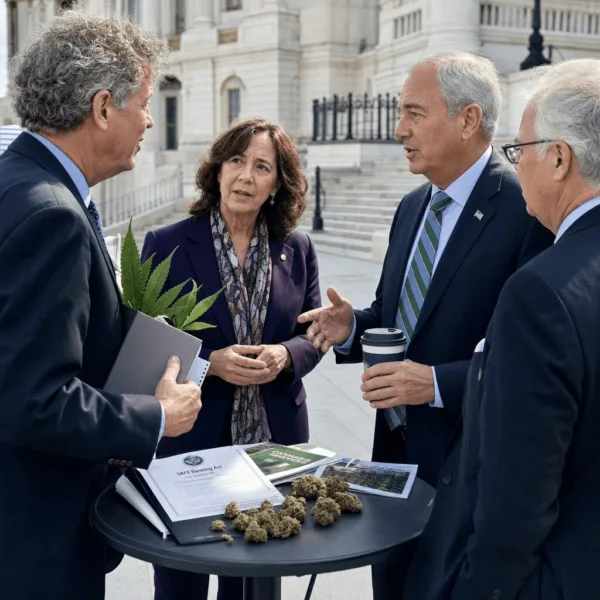
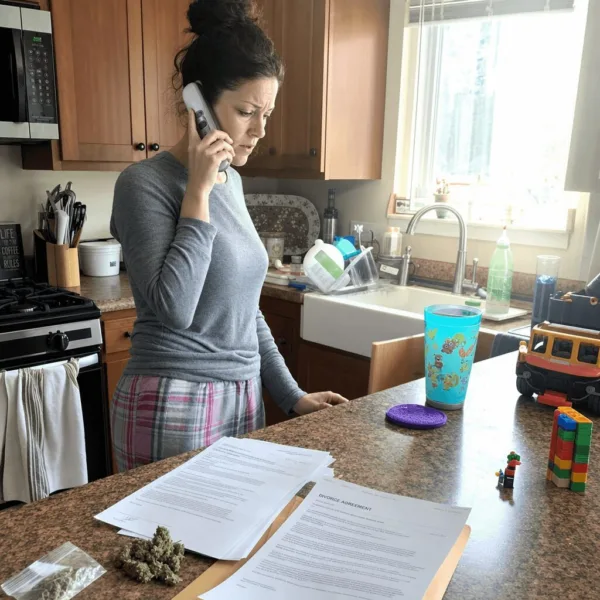
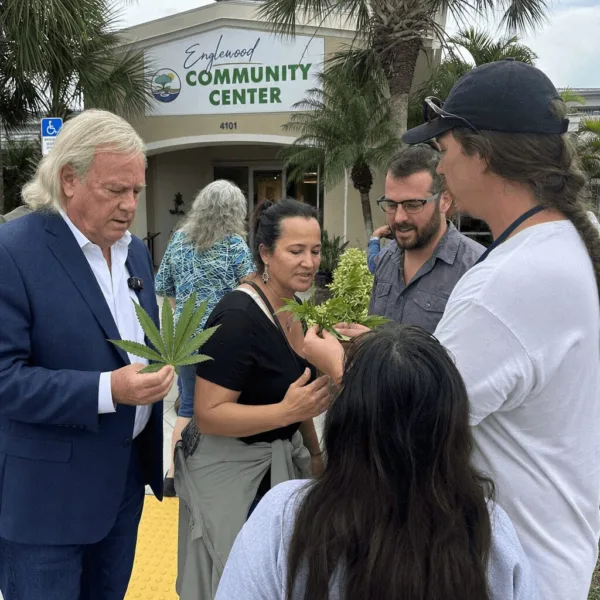
THC sales to minors have shot to the forefront of public debate, fueled by new market trends and breaking news. With the cannabis industry booming and regulations struggling to keep up, stories of questionable sales practices are making headlines. Allegations of shops selling THC products to underage buyers in Pennsylvania have raised red flags with parents, policymakers, and advocates. This article dives into the truth behind these headlines, explores how regulations work, and explains what the industry can—and should—do to protect minors while embracing responsible growth.
The Evolving Legal Landscape and Youth Protections
As cannabis normalization sweeps the U.S., regulation of THC sales to minors has become a lightning rod for concerns among lawmakers and communities. State laws, like those outlined by the National Conference of State Legislatures, bar THC sales to anyone under 21. However, enforcement is a constant cat-and-mouse game, worsened by the rapid growth of smoke shops and infused-product retailers. In many states, including Pennsylvania, medical cannabis is legal but strictly controlled through licensed dispensaries with rigorous ID checks. Meanwhile, hemp-derived delta-8 and other technically legal cannabinoids sit in a murky gray zone outside these regulated channels, making underage access a growing worry. The rise of illegal THC smoke shop arrests has intensified public debate as communities grapple with the influx of these unregulated products. According to Pew Trusts, the federal government is wrestling with patchy enforcement and the proliferation of questionable products. Local governments, school officials, and public health experts continue to pressure the industry to strengthen youth protection and responsible sales practices.
Smoke Shop Busts Put THC Sales to Minors in the Hot Seat
It took center stage recently when Berks County, Pennsylvania, law enforcement officers arrested several smoke shop employees allegedly selling THC products to minors, according to NBC Philadelphia. The sting operations involved undercover officers posing as teenage customers at well-known urban smoke shops. In the same region, there has also been heightened public reaction in the wake of larger drug-related discoveries, like community responses after major meth and marijuana arrests that spark renewed scrutiny on retail oversight. Law enforcement targeted shops suspected of lax ID checks, ultimately charging multiple individuals and confiscating products such as THC-infused gummies and vape cartridges. The district attorney emphasized that the shops failed to abide by state age restrictions for THC sales to minors. That crackdown reflects escalating pressure on retailers to play by the rules, and exposes gaps in both ownership oversight and employee training. No corporate dispensaries were implicated, highlighting that independent, mom-and-pop operations face unique compliance hurdles. Community groups reacted with concern but also curiosity about how reliably these laws are being policed across Pennsylvania and elsewhere. Similar incidents reported by The Washington Post in other states demonstrate a simmering national focus on THC product accessibility for youth.
Expert Insights: Why This Matters and What Needs to Change
So, what does all this really mean for the cannabis industry and for families worried about THC sales to minors? Experts argue this isn’t just a rogue-shop problem, it’s a systems issue that regulatory bodies and the entire market must tackle together. Recent updates in American marijuana policy are reshaping how urban and suburban communities perceive cannabis regulation, and as urban life continues to adapt to evolving marijuana laws, stakeholders seek balanced, effective solutions. As Leafly recently reported, the loophole allowing unregulated delta-8 and similar THC isomers into the hands of minors needs urgent legislative attention. According to longtime cannabis policy advocate and educator Dr. Ethan Russo: “We need smart, science-backed policy that keeps products out of kids’ reach without driving the whole business underground.” (National Institutes of Health). Industry leaders agree: mandatory age-gating, staff training, and product traceability are crucial for public trust. Some point out that well-run dispensaries and established cannabis companies have robust safeguards and zero tolerance for underage sales. Industry experts also warn about how blame often falls unfairly across the entire legal sector, when in reality illegal sellers and gray-market operations are the usual culprits. As MJBizDaily notes, clear communication with the public and transparency in enforcement actions can help bridge the trust gap and foster community confidence.
The Road Ahead: Balancing Progress, Protection and Smart Growth
Despite the recent headlines, the cannabis industry remains committed to safe, responsible commerce and greater transparency around THC sales to minors. More robust regulations—paired with education, youth prevention programs, and honest conversations—are already making a difference. As more states update rules and close loopholes, expect fewer negative stories and fairer coverage of the positive impact legal cannabis brings. According to NORML, states with well-regulated markets actually see lower rates of youth cannabis access compared to the black market days. Responsible shops, cutting-edge technology, and informed consumers can all keep moving the needle forward. The future? Brighter than ever—if we stay alert, stay unified, and keep pushing for smarter cannabis laws.
Originally reported by: nbcphiladelphia.com
1 Comment
Pingback: Shocking Drone Marijuana Prison Delivery: Alabama Inmates Exposed