


Illegal THC Smoke Shop Arrests: See What Led to the Crackdown
The recent surge of illegal THC smoke shop arrests is shaking up the local cannabis community. Law enforcement activity has left smoke shop owners and consumers debating boundaries, highlighting just how complicated the current regulatory climate is. In this breakdown, we’ll dig into what triggered these arrests, explore the backstory, and unpack what it all means for cannabis culture, business, and law right now. Understanding the nuances of illegal THC smoke shop arrests can help us all make sense of shifting legal lines, growing demand, and a patchwork of outdated policies.
Understanding the Regulatory Backdrop of Illegal THC Smoke Shop Arrests
If you follow the cannabis industry even casually, you know the policy landscape is a patchwork. Some states are moving forward with legalization, while others maintain strict prohibition. According to NORML, over 40% of Americans now live in states with adult-use cannabis laws. However, the DEA still classifies THC as a Schedule 1 substance. This results in unlicensed sales—even in states with recreational markets—being prosecuted harshly. The growth of gray-market retail stems from confusion: In locations where legal shops operate, black-market retailers often blend in, leading to increased illegal THC smoke shop arrests. A parallel can be seen in the impact on communities where illicit cultivation continues to thrive, much like illegal cannabis farms in California have caused significant environmental concerns and regulatory headaches. Federal prohibition also causes major banking issues, tax complications, and propels a shadow economy. As industry reports have highlighted, consumer demand keeps rising especially as people seek cheaper, unregulated options. In response, law enforcement and regulators are cracking down on smoke shops suspected of unlicensed sales, questionable sources, or improper labeling. This ongoing struggle fuels confusion and conflict, intensifying the latest wave of illegal THC smoke shop arrests.
Key Developments & Issues: The Latest Round of Smoke Shop Arrests
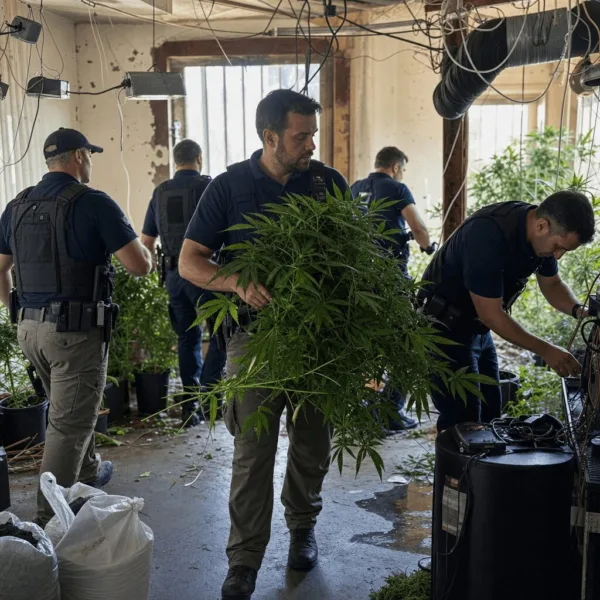
So, what actually happened in these recent illegal THC smoke shop arrests? Here’s the lowdown on the latest Berks County, Pennsylvania crackdown, first reported by WFMZ News. The investigation spanned several months, resulting in three individuals—connected to local smoke shops—being arrested. Authorities executed warrants at several locations, including Green Leaf Smoke Shop and Cloud 9 Convenience. They seized multiple THC products, paraphernalia, and substantial cash. Police allege the suspects trafficked high-THC products outside Pennsylvania’s medical cannabis system. This mirrors legal confusion found in other regions, such as the complicated marijuana-related arrests detailed in a recent Nebraska marijuana case that sparked statewide legal debate. The operation began after community complaints and an undercover purchase in March 2024. Investigators reported finding vapes, edibles, flower, and oils marketed as containing delta-9 THC—a compound legal only through state-licensed dispensaries. Legal documents show charges from unlicensed cannabis distribution to criminal conspiracy and endangering public welfare. These illegal THC smoke shop arrests have brought intense scrutiny to independent shops, igniting debate over enforcement and market fairness. In states without adult-use markets like Pennsylvania, this controversy increases public pressure and legal confusion about what really counts as ‘legal’ versus ‘illegal’ in today’s changing industry (Law.com).
Expert Analysis & Pro-Cannabis Counterpoints
The spike in illegal THC smoke shop arrests can’t be viewed in a vacuum, as there’s considerable nuance. Legal experts as well as industry veterans frequently point to ambiguous state statutes and slow reform as key contributors to ongoing enforcement actions. According to Leafly, many unlicensed operations fill gaps in places where legislation hasn’t kept up and retail access is limited. Shops such as Green Leaf and Cloud 9 are sometimes the only available option for consumers in regions allowing only medical use. Industry analyst Janelle Winston noted, ‘Criminalizing low-level sellers while large-scale illicit operations continue is both a policy failure and a public health risk’ (Marijuana Moment). Advocates stress the distinction between illicit profiteers and independent shops meeting a genuine need. This uneven playing field is a challenge seen in other regulatory debates, such as policy discussions about expanding medical cannabis access in underserved regions. Ultimately, illegal THC smoke shop arrests spotlight serious gaps in policy. Closing these gaps will require clearer regulations, broadened adult-use programs, and opportunities for legacy operators—all moves widely supported by industry experts and social equity advocates across the country (Cannabis Business Times).
The Future Outlook: Turning Challenges Into Progress
Despite the negative headlines, illegal THC smoke shop arrests spark vital industry conversations. The incidents in Berks County are a wake-up call—both for policymakers and cannabis consumers. The future is trending positive: more states are considering legalization, public opinion has never been more supportive, and new proposals aim to close loopholes while protecting small business owners (Pew Research).
As conversations around illegal THC smoke shop arrests continue nationwide, advocates are pushing for sensible reform. Regulatory clarity, open adult-use markets, and amnesty for low-level offenses are gaining traction. For anyone passionate about safe, fair, and accessible cannabis, the lesson is clear: Stay active, stay knowledgeable, and keep advocating for a smarter, more inclusive future. Because at its core, the cannabis movement is about more than legality—it’s about community, compassion, and common sense for all.
Originally reported by: wfmz.com


2 Comments
Pingback: Atlanta traffic marijuana bust uncovers cash, guns & drugs
Pingback: CDFW Cannabis Program: Safeguarding California's Natural Resources