


Shocking Drone Marijuana Prison Delivery: Alabama Inmates Exposed
If you’ve been watching cannabis news, you’ve noticed that creative smuggling isn’t slowing down—especially with drone marijuana prison delivery incidents making fresh headlines. The recent event in Alabama throws a spotlight on the clash between outdated drug laws and modern tech. Inmates, drones, and a package of marijuana—this story matters for anyone tracking cannabis reform, prison systems, or just how fast society’s adapting to change. Let’s break down what happened, why it’s shaking the industry, and how it fits into the bigger cannabis picture.
Regulatory & Social Context: Cannabis, Tech, and the Prison Pipeline
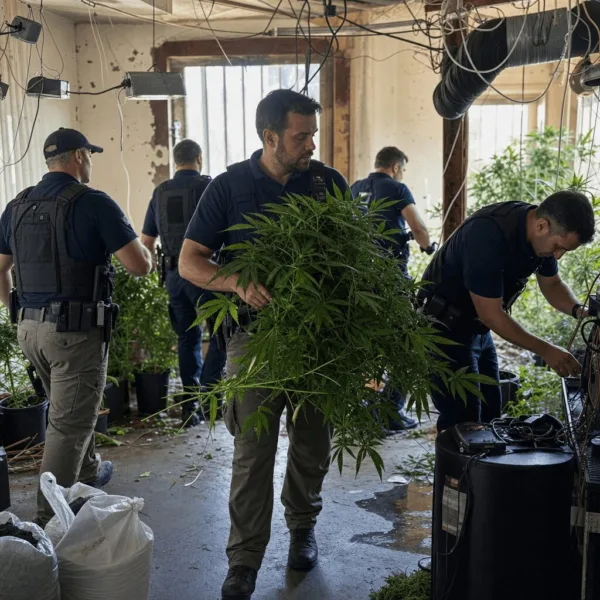
The drone marijuana prison delivery phenomenon isn’t just about sneaky stoners and gadgets. It’s sparked by layers of regulatory mismatch. Despite recreational legalization trends nationwide, such as those in states like Colorado, California, and even New York per NYTimes, many states, including Alabama, maintain tough prohibition. Alabama still categorizes marijuana as illegal for most uses, and cannabis possession remains a felony with strict penalties, as noted by NORML. Meanwhile, issues like illegal cannabis farms and their hidden environmental and social costs are pressing concerns in states where marijuana is legal—these operations in California have spotlighted enforcement challenges. Prisons continue to struggle under the pressure of overcrowding, contraband, and patchy funding. With drones now so accessible, enforcement faces new high-tech problems. It’s a classic tale of rules lagging behind real life: legal cannabis markets in some states, harsh sentences elsewhere, and prisoners risking everything for a piece of the evolving market.
Socially, the situation exposes a gap: most Americans now support some form of legal marijuana, according to a 2023 Pew Research poll. Prisoners trying drone marijuana prison delivery reveal more about system failures than criminal intent, highlighting how prohibition policies drive risky innovation. Broader social change is reshaping urban life throughout America, as recent marijuana policy changes in urban centers demonstrate. It’s all part of the messy, rapidly changing cannabis landscape.
The Alabama Drone Incident: Details, Legal Fallout, and Public Reaction
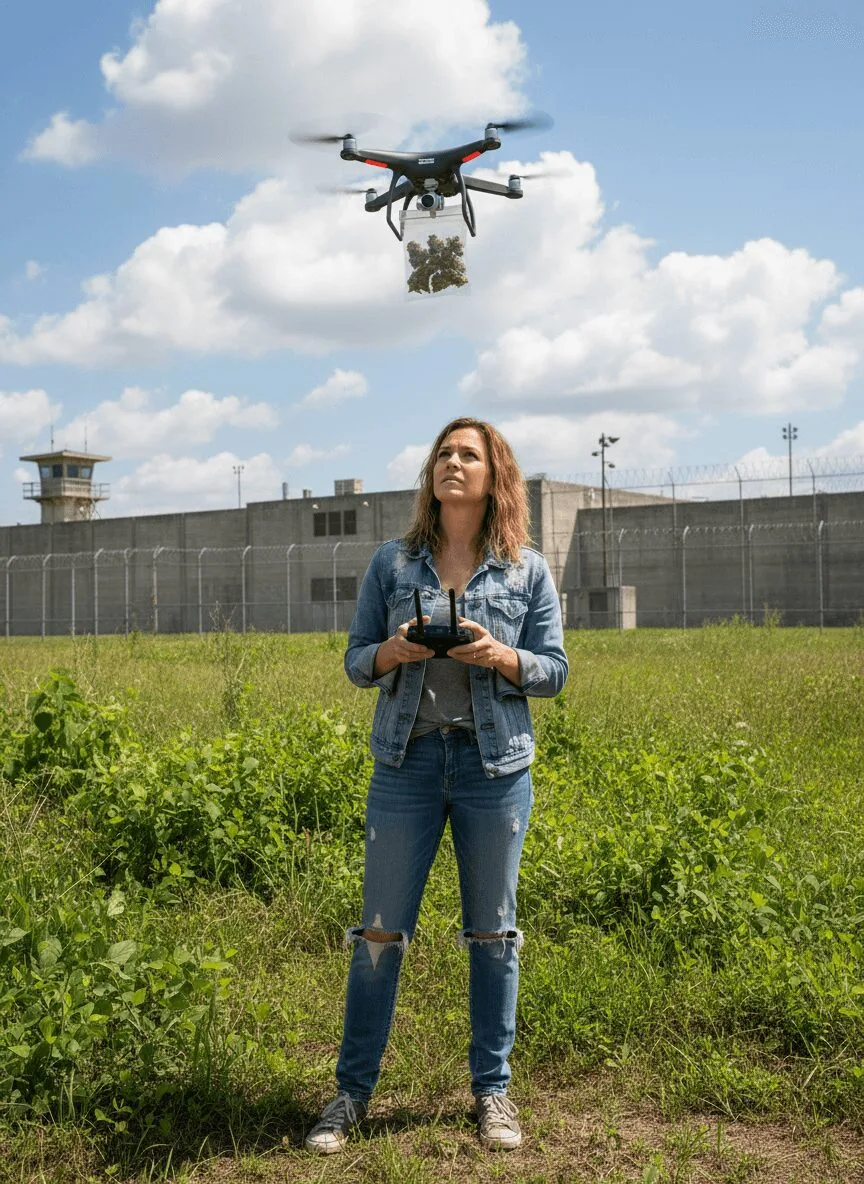
On February 9, 2026, a high-profile drone marijuana prison delivery attempt made waves in Alabama. According to WLOX News, a woman was caught operating a drone near an Alabama correctional facility, allegedly attempting to drop a package of marijuana and related paraphernalia over the prison fence. Court documents detail how correctional officers observed the drone’s approach and intercepted the delivery before inmates could make contact. The package reportedly contained a clear bag of cannabis buds, rolling papers, and a lighter—all intended for inmates on the inside.
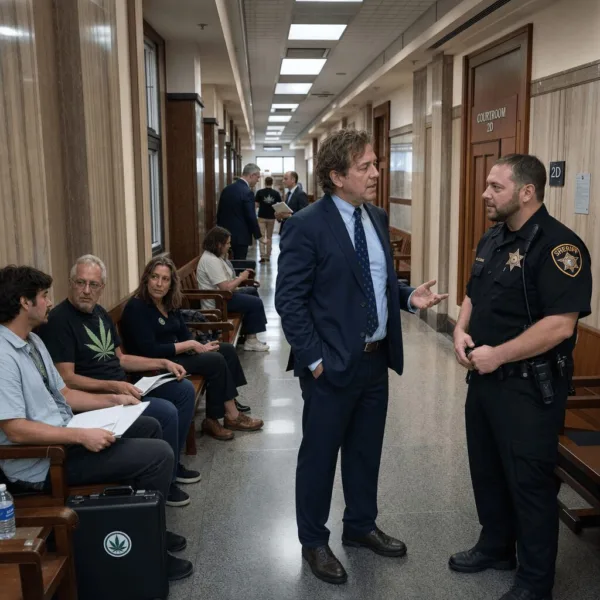
The accused woman faced immediate arrest and was charged with illegal distribution of a controlled substance, attempting to promote prison contraband, and violation of airspace regulations. Her case highlights the new intersection of drug enforcement and drone laws. Notably, the enforcement of marijuana-related laws varies significantly by region—major marijuana busts in other states like Nebraska underscore ongoing nationwide inconsistencies. Prison authorities described the operation as “increasingly sophisticated,” with drones flown precisely and covertly to evade surveillance. Officials noted the growing trend: CNN has reported that similar drone marijuana prison delivery attempts have risen nationwide since 2020, challenging traditional security protocols at corrections facilities.
Public reaction has been mixed. Some hail the bust as a security victory, while others emphasize the need for reform rather than harsh punishment, especially with broadening cannabis acceptance outside prisons. Alabama lawmakers responded with calls for both tougher sentencing on drone deliveries and, paradoxically, a broader review of marijuana policy, as reported in legislative sessions summarized by AL.com. Efforts to expand medical cannabis access are also growing nationwide, further complicating Alabama’s strict approach. Legislative action to expand medical cannabis remains hotly debated across the country.
Analysis, Industry View, and Pro-Cannabis Perspective
The rise in drone marijuana prison delivery attempts isn’t just a quirky news blip. It’s fuel for industry debates, legal reckonings, and policy evolution. Speaking with cannabis law expert Shaleen Title, co-founder of the Parabola Center and former Massachusetts Cannabis Commissioner, she notes, Criminalizing marijuana smuggling, especially where it’s legal just across state lines, only perpetuates injustice and fails to address root causes. Reform is overdue.
(Marijuana Moment).
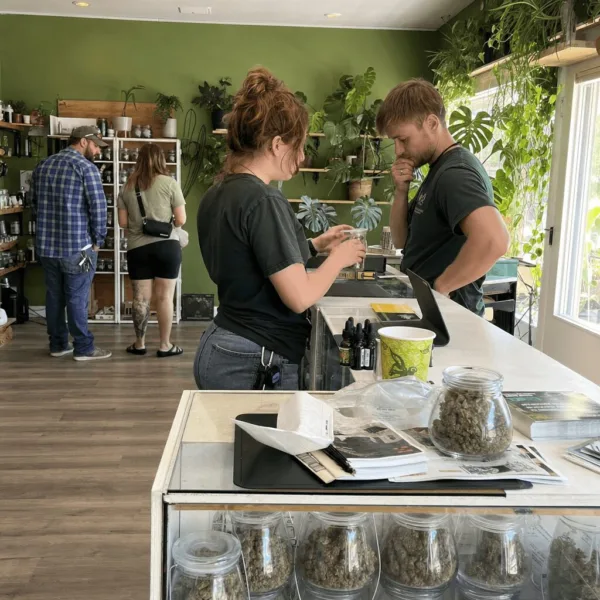
From a cannabis advocate’s perspective, these incidents highlight systemic absurdities. You see cannabis legal for adult use in almost half the country, but a joint earns a felony in others. Technology like drones escalates both risks and headlines, but also exposes cracks for reformers to leverage. Industry insiders warn that criminalizing drone marijuana prison delivery will remain a ‘cat and mouse’ game until federal and state laws align better with actual public sentiment (see commentary in Leafly News). Meanwhile, problems continue with some retailers selling to prohibited buyers, raising concerns over responsible access—this is especially highlighted by the ongoing issue of THC sales to minors in unregulated markets.
Expert operators in cannabis security also urge corrections departments to focus on harm reduction, not just punitive crackdowns. This approach could mirror successful decriminalization and rehabilitation models widely adopted in Europe, as covered in a British Medical Journal analysis. Ultimately, every drone marijuana prison delivery signals how far behind some policies are, and how inevitable reform is, even in traditionally resistant states like Alabama.
Future Outlook: Legalization, Innovation, and Redefining Justice
If there’s one clear takeaway from this drone marijuana prison delivery story, it’s that the game is changing fast. Technology, shifting values, and mounting calls for reform all point to a future where incidents like these will be viewed as relics of the past. While Alabama may still hold the line on prohibition now, national and global cannabis markets boom—proved by recent Forbes cannabis market data. Inmates, families, and everyday citizens deserve policies based on health, equity, and reality—not outdated fears. Until then, the drone marijuana prison delivery saga serves as both a warning and an opportunity for policymakers, advocates, and industry leaders. Stick around—the next chapter of American cannabis will be high-flying, for all the right reasons.
Originally reported by: wlox.com

1 Comment
Pingback: Ohio Cannabis Antitrust Lawsuit: What Toledo Businesses Face