





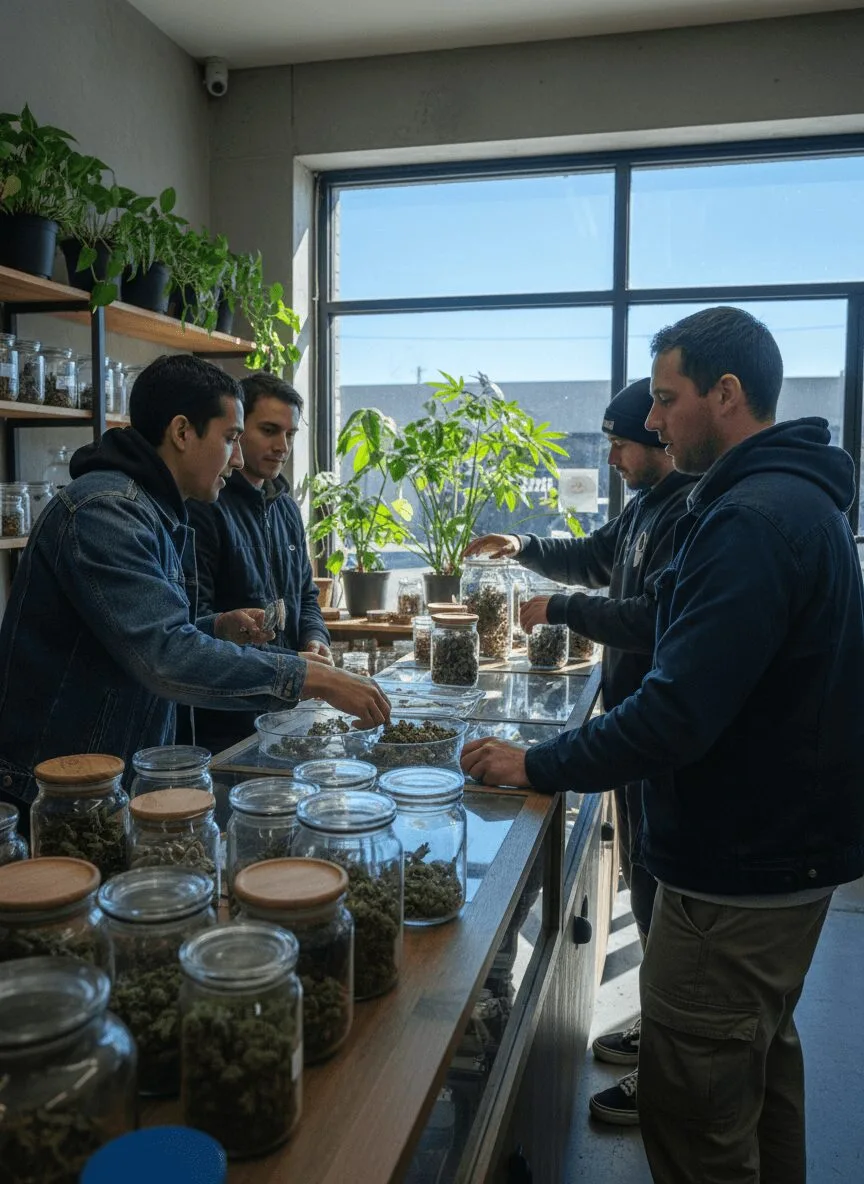
Worker Co-op Cannabis Dispensary: Inside a Unique Business
Lately, cannabis headlines are more electric than a dab rig at 710 degrees, and there’s one burning question on everyone’s mind: How can everyday people share ownership in the booming green rush? Enter the worker co-op cannabis dispensary—a model that’s not just shaking up business as usual, but also bringing real equity to the cannabis scene. This deep dive covers why co-ops matter now, highlights key lottery drama in Rhode Island, and breaks down what this movement could mean for cannabis in your neighborhood.
The Rise of Worker Co-op Cannabis Dispensaries: Market, Legal, and Social Context
The cannabis landscape is transforming, thanks to a collision of evolving laws, equity demands, and passionate advocates. More than half of U.S. states now have adult-use or medical marijuana programs, with NORML tracking active legislation nationwide. But as mainstream investment pours in, questions remain about whether everyday workers actually benefit. That’s where the worker co-op cannabis dispensary model steps up: employee-owners run and govern the business collectively, with profits and major decisions shared democratically. Pioneered in progressive states like Colorado and Oregon, this setup is now splashing onto the East Coast as Rhode Island and others launch retail license lotteries prioritizing social equity, according to Leafly’s legalization tracker. These shifting policies don’t just shape ownership; they determine who actually profits, who’s empowered, and how cannabis culture evolves. For a look at how recent social trends are shifting consumption, see how THC infused social beverages are redefining the modern gathering and the broader cannabis experience.
Rhode Island’s Cannabis Lottery: Worker Co-op Cannabis Dispensary Makes Its Move
In a high-stakes bid for real change, a worker co-op cannabis dispensary called Rhode Island Cannabis Cooperative jumped into the state’s retail license lottery this February, shaking up local expectations. According to reporting from The Providence Journal, this group of passionate employees submitted their pitch alongside dozens of conventional competitors. Their proposal? A democratically governed retail shop with shared profits, transparent structure, and an open-door hiring policy emphasizing community reinvestment. The state’s Department of Business Regulation confirmed that Rhode Island received over 40 dispensary applications for just six coveted licenses, highlighting fierce competition and regulatory scrutiny. In the midst of these developments, it’s worth noting how other states are navigating new cannabis laws—for example, see the latest on Indiana’s marijuana legalization laws and how they may shape future reforms elsewhere. With the lottery drawing completed on February 2, 2026, initial results suggested several unique business models made the shortlist, but only one—this co-op—stood out as a fully worker-owned applicant. The rules were clear: applicants had to pass strict background checks, raise significant startup capital, and commit to community-focused practices. This case marks one of the first times a worker co-op cannabis dispensary has made it to the final round in Rhode Island, reflecting momentum for alternatives to corporate cannabis.
Industry Analysis: Why Worker Co-op Cannabis Dispensary Models Matter
Let’s break it down, a worker co-op cannabis dispensary isn’t just a feel-good slogan. It’s a legit, game-changing structure that challenges who gets to thrive in cannabis. While consultants like Marijuana Moment note that big investors still dominate, co-ops are finally making regulatory inroads by focusing on community benefit rather than pure profit.
Industry expert Hilary Bricken, writing for Canna Law Blog, argues, “Worker cooperatives in cannabis may be the single most promising path to equity, local resilience, and legal compliance.” With high barriers to entry, including capital requirements and compliance headaches, worker co-ops push back by pooling member resources and knowledge. This model also helps address well-documented inequities, a problem Marijuana Policy Project says is holding the entire industry back.
Still, experts caution the path isn’t easy—licenses are competitive, and raising funds as a co-op is tough. However, the movement is gaining steam. According to a Leafly analysis, “shared ownership dispensaries in states like Colorado and Massachusetts are showing it can work, with stronger worker satisfaction and deeper community trust.” For a comprehensive review of evolving medical dispensary news, check the recent major updates on Kentucky’s first medical marijuana dispensary and the impact this may have on future co-op models. One co-op leader summed it up best: “When everyone’s got skin in the game, everybody wins.”
Outlook: Opportunity and Optimism for Worker Co-op Cannabis Dispensaries
Looking forward, the future for worker co-op cannabis dispensary models is bright—if not a little hazy from policy confusion. As public support for cannabis legalization keeps rising (per Pew Research Center), so does the demand for fairer business practices. States like Rhode Island are setting new precedent by recognizing the value—social, economic, and ethical—of community-oriented dispensaries, and there’s a real chance more local players will break through. Regulations may remain tough, but every worker co-op cannabis dispensary that survives paves the way for a less corporate, more inclusive era. Watch this space—true cannabis culture is all about growing together.
Originally reported by: providencejournal.com



4 Comments
Pingback: Federal Marijuana Policy Reform: Governor Polis Demands Action
Pingback: Wisconsin recreational cannabis legislation: What’s Changing?
Pingback: 2026 cannabis policy reform: Big Opportunities Await
Pingback: Gov Stitt marijuana policy: What You Need to Know Now