

Cannabis Caper Chase: You Won’t Believe How It Ended
The cannabis caper chase is making headlines, captivating communities and sparking debate across the nation. This isn’t just another local news story—it’s a snapshot of where cannabis culture, law enforcement, and social perception intersect in 2024. Recent surges in cannabis-related incidents prove this is more than a fringe topic. With legalization efforts gaining steam, unexpected situations like the cannabis caper chase remind us of society’s shifting boundaries and the legal gray areas left unresolved. Here’s the full scoop on what happened, why it matters, and what it could mean for cannabis fans and skeptics alike.
Legal & Social Background: Cannabis Caper Chase in Context
The cannabis caper chase serves as a microcosm for the tension between evolving cannabis laws and public perception. Even in states where recreational cannabis is legal, like Washington, discrepancies between state and federal law shape how police, courts, and the public respond to incidents like these. According to the National Organization for the Reform of Marijuana Laws (NORML), state regulations continue to restrict open consumption, public possession limits, and commercial transport, often confusing the average citizen. Simultaneously, social acceptance of cannabis is soaring, with national polls cited by Pew Research showing over 88% of Americans support some form of legalization. For those tracking major changes in legalization across the country, it’s important to note statewide ballot measures that shape the landscape, especially those highlighted in recent reports on pending ballot measures and reform efforts. These changes increase the visibility, and sometimes the scrutiny, of everyday cannabis activity, setting the stage for headline-grabbing events like the cannabis caper chase.
The Cannabis Caper Chase: Timeline & Key Developments
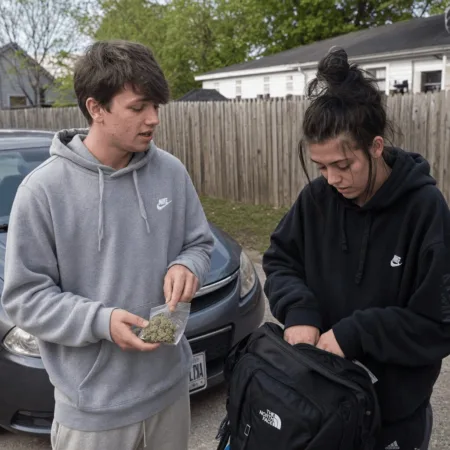
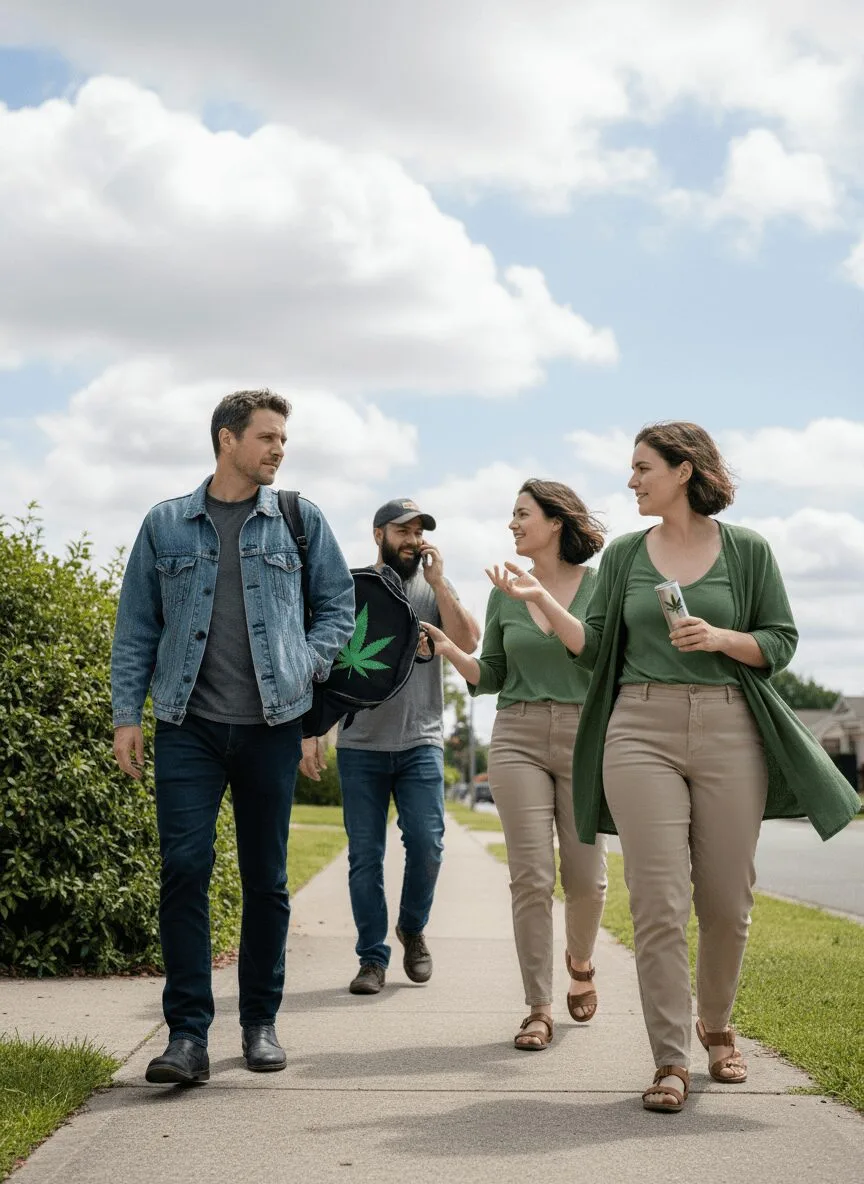
On January 31, 2026, residents of a quiet Washington suburb witnessed a scene straight out of a buddy comedy, but with real legal implications. According to the Chinook Observer, local law enforcement became involved after a group of adults attracted attention while socializing outdoors. Observers noted brisk movement, animated conversation, and, most curiously, a backpack with a visible cannabis leaf logo. Suspicions arose about the intent to consume or share cannabis in a public place, which remains a legal gray zone even under Washington’s cannabis law.
Officers reportedly initiated a casual pursuit, what’s been dubbed the cannabis caper chase, as individuals continued down the sidewalk, chatting, turning corners, and appearing generally unconcerned. After brief discussions and inspections, law enforcement ultimately decided not to press charges, noting a lack of clear evidence of criminal behavior such as public consumption or intent to distribute beyond permissible limits. No citations were issued, and the parties were allowed to disperse. This outcome reflects policing priorities focused on major violations rather than ambiguous community incidents, which is consistent with patterns observed in Law360’s cannabis section. High-profile cases elsewhere, such as the notable vehicle-related seizure explained in this overview of a recent marijuana vehicle bust and its implications, also demonstrate shifting enforcement approaches nationwide.
Expert Analysis & Cannabis Community Insights
So, what does the cannabis caper chase reveal about today’s cannabis landscape? First, it reflects a growing law enforcement trend: de-escalation and practical discretion in cannabis-related incidents. As noted by industry analyst Leafly, most police agencies in legalized states now reserve resources for egregious violations. Dr. Aria Fetterman of the Cannabis Policy Project comments, “We’re seeing a maturing relationship between law enforcement and cannabis users. Most officers no longer want to reignite the war on weed, especially when the public expects common sense and compassion.”
This shift is part of broader industry normalization. The fact that locals were more amused than alarmed speaks volumes. Activity that once triggered panic now prompts a collective shrug, if not outright amusement, from neighbors. Still, legal ambiguities persist about cannabis possession in public places, especially given the patchwork of city ordinances and federal transport rules—a recurring theme documented by Marijuana Moment. Looking at industry impacts, trends in cannabis employment and shifts in job opportunities further reflect how far the U.S. cannabis landscape has come, but also the ongoing efforts needed for cohesive policy reform.
Looking Ahead: Cannabis Caper Chase and the Industry’s Future
The cannabis caper chase ended without legal fallout, but its impact lingers. It demonstrates the growing gap between public attitudes and fragmented regulation. As industry voices and research from the Cannabis Business Summit illustrate, calls for greater regulatory clarity are intensifying. Social acceptance is rising, but the need for sensible, unified rules remains. Incidents like this highlight the quirks—and progress—of living through the era of cannabis normalization. Looking ahead, the cannabis community can expect more education, advocacy, and positive engagement with neighbors and authorities. One thing is certain: the cannabis caper chase won’t be the last dramatic intersection of culture and law, but more often than not, it will end in common sense—and maybe even a good story for the next neighborhood barbecue.
Originally reported by: chinookobserver.com