



Federal Methamphetamine Conspiracy Sentencing Explained
Lately, federal methamphetamine conspiracy sentencing is sparking serious buzz—both in and out of cannabis circles. With cases making headlines and the legal landscape shifting, knowing how these sentences impact communities and policy is more important than ever. This article unpacks the latest on federal methamphetamine conspiracy sentencing, including key case details, real-world consequences, and what it could mean for the cannabis industry and broader drug law reform.
Background: Shifting Federal Drug Sentencing, Cannabis Law, and Regulatory Debates
The history of drug policy in the U.S. is, let’s face it, a wild ride. For decades, federal sentencing for methamphetamine-related conspiracies has been severe, shaped by mandatory minimums and tough-on-crime laws from the 1980s. These policies, initially designed to combat drug epidemics, ended up sweeping up individuals, often for nonviolent crimes. Even as cannabis moves swiftly toward mainstream acceptance, substances like methamphetamine are still caught up in zero-tolerance rhetoric.
As The Sentencing Project points out, America still sees high incarceration rates for drug offenses, but attitudes and policies are shifting. Progressive states are pushing for fairer sentencing and alternatives to prison. For example, local enforcement strategies in some areas, such as recent high-profile searches and controversies, continue to shape the cannabis industry debate. Meanwhile, federal courts remain strict on meth conspiracy charges, frequently delivering sentences far longer than those for analogous state-level cannabis violations.
Adding complexity, public opinion now strongly favors decriminalization and reform. According to a recent Pew Research Center survey, most Americans support legal cannabis, while the war on drugs loses steam. But federal courts, especially in meth cases, aren’t moving at the same pace.
Key Developments: Rockport Man Sentenced Under Federal Methamphetamine Conspiracy Laws
Just this week, a case out of Rockport grabbed headlines, one that starkly illustrates how federal methamphetamine conspiracy sentencing remains inflexible. According to KRIS 6 News, a local man received a 20-year federal prison sentence after being convicted for participating in a methamphetamine conspiracy.
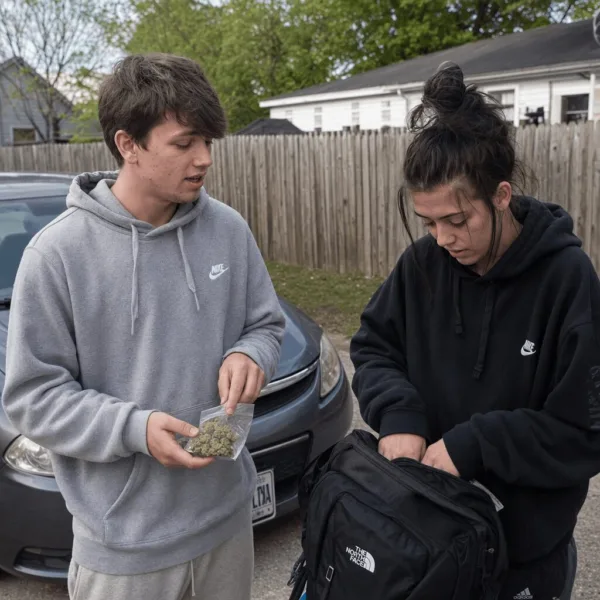
Court documents detail a multi-month federal investigation, during which the man—reportedly in his mid-30s—was surveilled and ultimately arrested outside his home. DEA officials coordinated with local law enforcement, resulting in the confiscation of significant quantities of methamphetamine. The sentencing reflects mandatory federal guidelines, and the judge expressed little discretion due to statutory minimums, even though the defendant’s criminal history was relatively minor.
This case isn’t isolated. According to U.S. Sentencing Commission data, federal courts annually impose thousands of lengthy prison terms for methamphetamine-related conspiracies. These numbers contrast sharply against evolving attitudes toward nonviolent drug crimes, especially as cannabis reforms steadily expand in states like Illinois and California.
Analysis: Cannabis Industry Changes and the Future of Federal Methamphetamine Conspiracy Sentencing
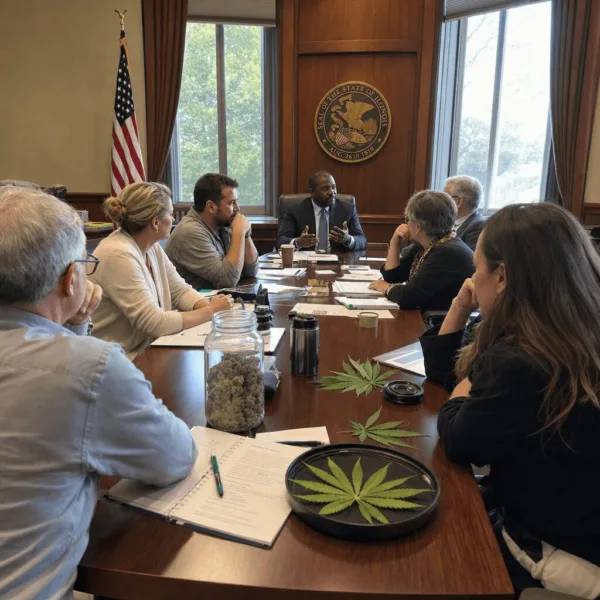
Here’s where things get real: While the federal methamphetamine conspiracy sentencing regime remains locked down, the cannabis industry is busy breaking the old mold. Regulators in emerging markets, like Illinois, are not only legalizing but actively working to right past wrongs—expunging records and supporting social equity businesses. Recent protections for marijuana-related business banking in Illinois show how the industry is evolving, highlighted by new legal measures offering industry safeguards.
This Rockport case highlights an ongoing contradiction. On one hand, severe sentences for meth offenses still dominate the headlines. On the other, cannabis convictions are slowly becoming a thing of the past in progressive regions. As industry expert Tom Angell told Marijuana Moment, “America’s patchwork drug-laws don’t make much sense anymore. As states accelerate cannabis reform, it’s only logical that federal sentencing will eventually follow, especially for nonviolent offenses.”
Why does this matter to the cannabis world? First, there’s a growing awareness that harsh federal sentencing, even for other substances, perpetuates the stigma that once crushed the cannabis industry. Second, disparities call attention to how arbitrary drug prohibition still runs deep, encouraging advocates to push harder for broad reforms—ensuring nonviolent drug convictions across the board get a fair shake.
Looking Forward: Cannabis Industry Growth Amid Federal Sentencing Reform
Despite the stark reality of federal methamphetamine conspiracy sentencing, the broader arc of cannabis acceptance keeps soaring. Regulatory improvements—from Marijuana Policy Project-backed social equity programs to expungement clinics—are changing lives in ways once unthinkable. The push for fair sentencing laws isn’t just political theater; it’s about rewriting the rules for everyone affected by old-school drug policy.
The headlines from Rockport are a jolting reminder: there’s still a long road ahead. But with cannabis businesses paving the way, and public sentiment swinging ever more toward reform, there’s real hope for a future where justice and common sense finally meet. As the industry grows, so does momentum for change across all levels of the drug law debate.
Originally reported by: kristv.com