






Legislature Marijuana Veto Override: What Happens Next?
If you’ve been tracking the wild ride of cannabis reform, you know the legislature marijuana veto override is hotter than a dab rig in July. This topic’s on everyone’s lips right now—lawmakers are using their constitutional muscles, public opinion’s on the upswing, and the future of marijuana laws is at stake. As policymakers battle it out, the direction they choose will shape access, jobs, and regulation for years to come. Here’s what’s really going down, why it matters, and what you can expect in the weeks ahead.
Why the Legislature Marijuana Veto Override Is a Game Changer
The landscape for cannabis legislation in the US is in flux, and the distribution of marijuana tax revenue is transforming local communities across the country. States have been carving their paths, sometimes sparking legal fireworks, sometimes following the mellow path of reform. But veto power, historically, has been the secret sauce for a lot of governors standing in the way of full legalization or smart regulation. When lawmakers band together for a legislature marijuana veto override, they flex rare constitutional power. According to the National Conference of State Legislatures, most states require a two-thirds legislative supermajority to override a governor’s veto, meaning these moves only happen when there’s major momentum and consensus. Public sentiment is another big factor: Pew Research Center reports that about 88% of Americans support some form of cannabis legalization. The current push is about more than just the plant, it’s proof that advocates and constituents alike have sway, and statehouses are finally catching up with the national mood. For regulators and consumers, the legislature marijuana veto override isn’t just a procedure, it’s the key to unlocking stalled progress.
The Inside Story: How the Veto Override Unfolded
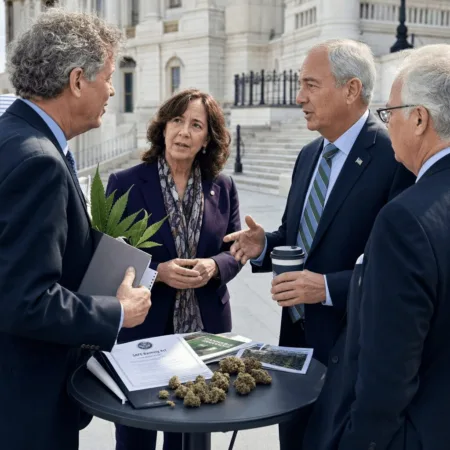
This week, history went down when lawmakers overturned Governor Meyers’ veto of a landmark marijuana bill. According to News From the States, the legislature’s override not only revived a progressive labor reform—a big win for workers—but also set a new high-water mark by advancing the previously rejected marijuana bill. The Senate acted swiftly, reflecting bipartisan frustration with executive overreach. Members debated the finer points of cannabis regulation, public health, and social equity, much like the recent changes impacting marijuana licensing in local cities. Folders in hand, the group moved to a vote that could loosen restrictions and create avenues for licensed sales. Not all details are public yet, but the override demonstrates that when grassroots advocacy connects with legislative will, even the most stubborn blocks can fall. As Marijuana Moment points out, effective overrides rarely happen by accident—they’re the fruit of relentless organizing, coalition-building, and public pressure. Discover how evolving local licensing regulations are affecting businesses by exploring this guide to changing cannabis laws.
Expert Analysis: What the Override Really Means for Cannabis
This isn’t just political theatre. The legislature marijuana veto override sends shockwaves through the cannabis industry and the broader regulatory scene. For dispensary operators, cultivators, and would-be investors, it signals safer ground ahead—think less policy whiplash and a clearer path to compliance. Legal analyst Charlotte Evans told NORML: “Each time a legislature overrides a gubernatorial veto on cannabis, it’s a direct message that the will of the people—and not old-school misconceptions—is finally steering policy.” In other words, patients, entrepreneurs, and everyday consumers might soon see more predictable regulations, fewer arbitrary slowdowns, and, ideally, fairer markets. According to Leafly News, states that push back against vetoes often see an uptick in local business confidence and innovation. The implications also extend to medical research—new findings are shaking up what we thought we knew about cannabis, further emphasizing the impact of legislative overrides in medicine and policy debates. For deeper insight, see how medical cannabis research is challenging assumptions and motivating lawmakers across the country.
What’s Next? Future Outlook for Marijuana Laws and Social Progress
While not every legislature marijuana veto override leads to instant change, they consistently open the door for progress. The cannabis sector keeps breaking records—from tax revenues to medical applications—and society’s views grow more accepting by the day. As Cannabis Business Times notes, regulatory consistency is key to industry expansion and public safety. Expect more states to follow suit, more lawmakers to listen to constituents, and cannabis to inch closer to mainstream legitimacy. The debates are getting less about fear and more about fairness: equity for all, transparent rules, and a safe, thriving marketplace. Stay tuned—the next chapter in cannabis reform is just getting started, and the energy behind each new legislature marijuana veto override is proof that positive change isn’t just a pipe dream. It’s real, it’s happening, and it’s coming soon to a statehouse near you.
Originally reported by: newsfromthestates.com


1 Comment
Pingback: Veto Override Marijuana Bill: What the Senate's Move Means