





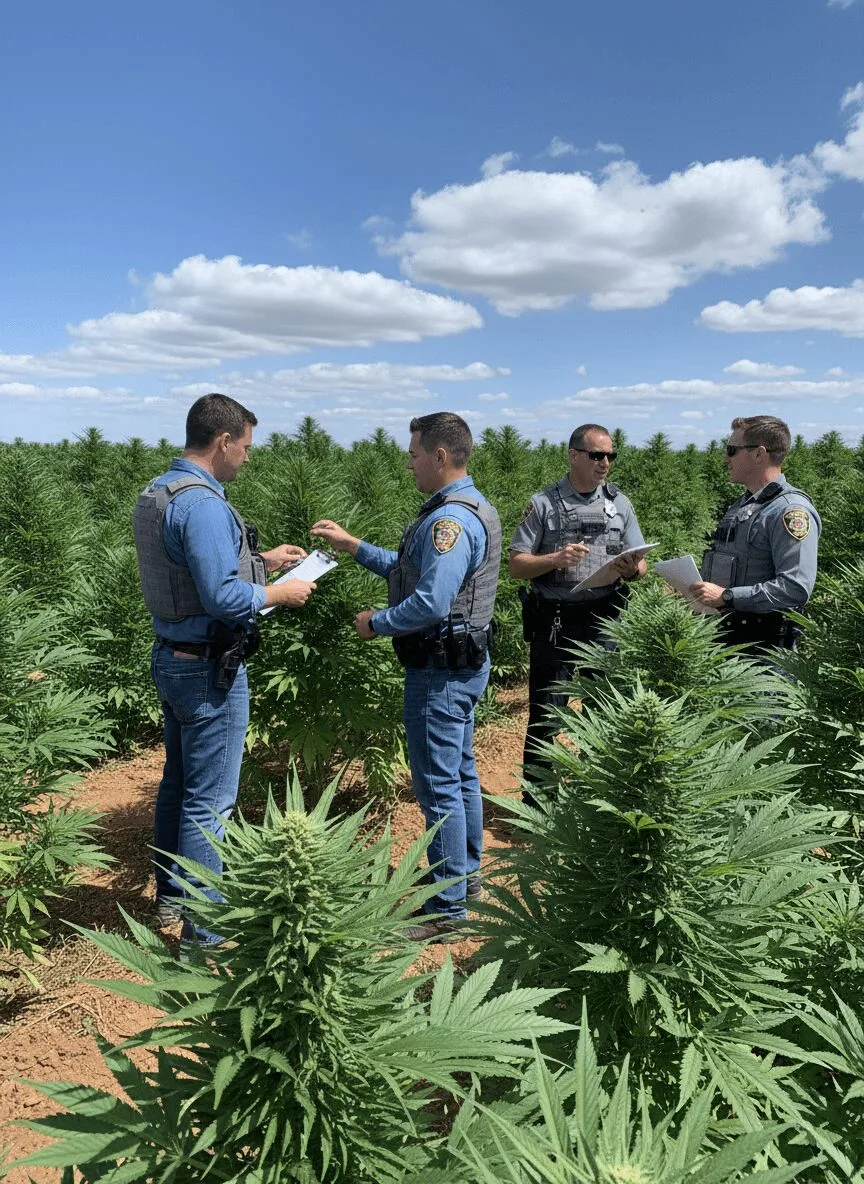
California cannabis enforcement operations crack down in 2025
California cannabis enforcement operations are hitting headlines again in 2025 as the Golden State ramps up its battle against illicit cannabis. These ongoing enforcement sweeps impact every corner of the market—licensed growers, retail shops, and everyday enthusiasts alike. With authorities stepping up, the industry sits at a pivotal moment between tough regulations and community-driven reform. Let’s break down what’s sparking this major shift, how California cannabis enforcement operations are affecting the scene, and why everyone’s watching closely right now.
The Regulatory Roots of California Cannabis Enforcement Operations
California’s cannabis industry has always been a wild ride, equal parts opportunity and challenge. Since voters passed Proposition 64 in 2016, the market’s grown up fast, but compliance headaches have multiplied just as quickly. Tight state rules from the California Department of Cannabis Control (DCC) draw a sharp line between what’s legal and what isn’t. Yet the billion-dollar black market keeps pushing those boundaries, raising significant safety concerns, tax questions, and viability threats for legitimate businesses. As seen in LA Times reporting, the legal market has struggled to wipe out the illegal one. In this environment, state regulators, police, and the multi-agency Unified Cannabis Enforcement Taskforce (UCETF) have begun to work more closely together. Their crackdowns now target not only massive unlicensed farms but also illegal distributors and pop-up retail. High taxes, patchwork local bans, and persistent red tape have created room for off-the-books operators to thrive. This rapid growth and complex enforcement mirror similar regulatory challenges facing other states, as local communities explore the impact of how cannabis tax revenue transforms communities. The stakes are huge: consumer safety, public revenue, and the very future of a now-mainstream industry.
Key Developments: 2025 Enforcement Surge and What Went Down
New year, new intensity. According to details released by the California Statewide Law Enforcement Association (CSLEA), California cannabis enforcement operations hit a record pace in 2025. The Unified Cannabis Enforcement Taskforce (UCETF) conducted 48 well-coordinated sweeps statewide last year, dismantling a range of unlicensed grows and distribution hubs. These weren’t small-scale backyard grows, but included sites in Central and Northern California with thousands of plants and evidence of environmental violations. Notably, enforcement activity this year marked a sharp escalation compared to just 30 task force operations in 2024, intensifying the debate over how much pressure is too much on operators. With law enforcement also confiscating heavy equipment tied to environmental harm, this cycle’s events closely resemble trends across the country where changing marijuana laws continue to impact vehicle searches and public policy—for instance, many drivers should educate themselves on marijuana possession and what motorists need to know as legal landscapes evolve rapidly.
Expert Analysis: Balancing the Fight with Industry Growth
No surprise, opinions on California cannabis enforcement operations break as sharply as a fresh nug under scissors. Advocates argue the ongoing crackdown brings both protection and peril: tighter enforcement means fair play and compliance for law-abiding businesses, but too much pressure could drive small farms to close. As Leafly columnist and analyst Bruce Barcott states, “Every enforcement operation sends a signal, play by the rules or take your chances. The danger is when the message turns into fear instead of trust.” The record numbers show California cannabis enforcement operations are primarily targeting large-scale offending actors, but many question the collateral damage caused. In discussions like those found on Marijuana Moment, market insiders emphasize the need for a healthy legal sector that supports small cultivators and simplifies licensing. This ongoing debate about balancing regulation with industry innovation also intersects with larger trends—such as the way cannabis legalization is reshaping opioid use patterns. For example, states are reporting changes in how legalization is impacting opioid use, offering important lessons for California’s path forward.
Looking Ahead: Enforcement, Reform, and a Brighter Green Horizon
California cannabis enforcement operations in 2025 mark a turning point: the state is doubling down on its promise to build a safer, more transparent legal market. Still, true industry growth depends not just on busting bad actors, but on lowering regulatory hurdles for those playing by the rules. As social attitudes shift and new policy tweaks emerge, expect smarter enforcement that truly roots out harm without stifling legitimate innovation. The evolving landscape creates a unique opportunity for advocates and regulators to build a more equitable future—one where safe, legal cannabis thrives and illicit actors have nowhere left to hide. As Forbes insight illustrates, the drive for equity and sustainability is strong, and California’s story sets a roadmap for the rest of the nation to follow.
Originally reported by: cslea.com


1 Comment
Pingback: UCETF cannabis enforcement operations: California's 2025 crackdown