


Virginia cannabis reform: What the new sales framework means
There’s a buzz across Virginia, and it’s not just in the air—it’s the energy from the latest shakeup in cannabis legislation. The push for Virginia cannabis reform is hitting a crucial moment. As legislators craft new sales frameworks and equity measures, the entire community stands to feel the impact. From expanded adult use to reshaping the market for small businesses, these changes matter. We’ll unpack what this legislative wave means for consumers, business owners, and advocates alike—and why everyone should care right now.
The Roots of Virginia Cannabis Reform: Understanding the Legal Landscape
Virginia has always been a fascinating battleground for cannabis policy. Once defined by strict prohibition, the state marked a major milestone in July 2021 when adults were first allowed to possess and cultivate cannabis privately. But, here’s the rub: legal sales remained in limbo, creating a gray market and raising questions around safe access, taxation, and equity. According to the National Conference of State Legislatures, Virginia joined a growing movement, yet left some key issues unresolved. Social justice advocates, medical cannabis businesses, and entrepreneurs all saw potential in a regulated system, but the path has been tangled with legal setbacks, political tug-of-wars, and the need for a strong social equity framework. As other states like Illinois and New York blazed trails for social equity and competitive licensing, Virginia has only recently caught up. Many observers point out that cases like life-changing marijuana possession charges reveal why reforms matter so much. This moment in the Virginia cannabis reform journey is critical, as clear regulations are what will set the standard for safety, fairness, and market innovation.
Pivotal Developments: New Adult-Use Cannabis Sales Framework in Virginia
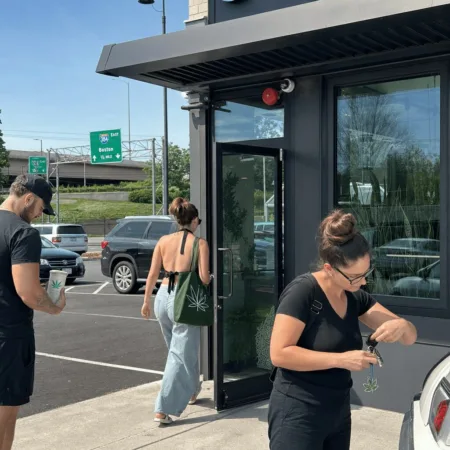
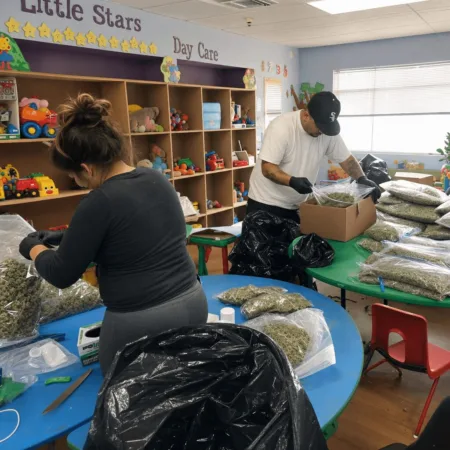
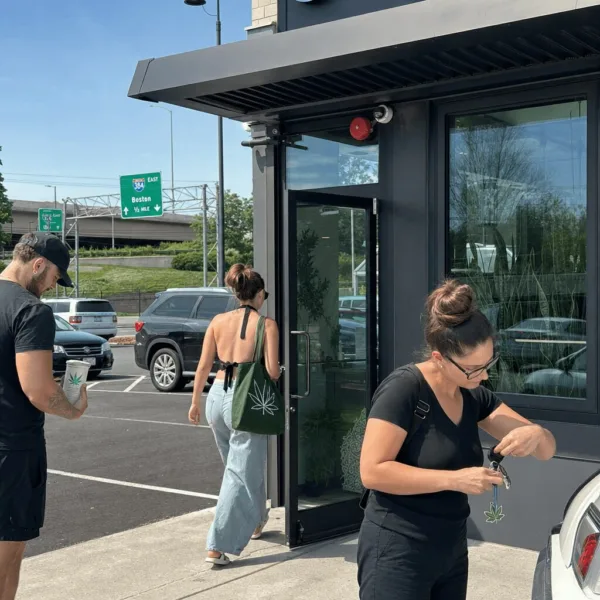
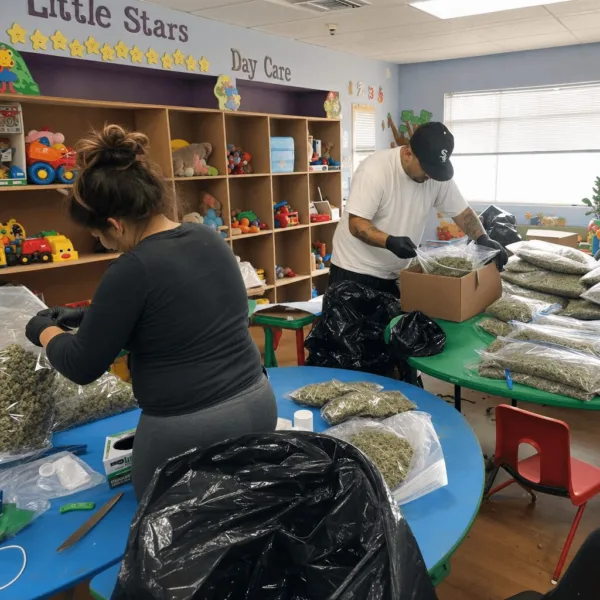
The latest chapter in Virginia cannabis reform revolves around the roll-out of an official legal sales structure for adult-use cannabis. According to recent reports from MJBizDaily, lawmakers have introduced a sales framework designed to prioritize social equity and fairness. This framework proposes substantial licensing fees for multi-state operators (MSOs), paving the way for local, minority-owned, and social equity applicants to finally get their shot. Back in early 2024, Virginia’s General Assembly advanced measures that include a detailed social equity scoring rubric, capitalization requirements meant to prevent predatory practices, and draft rules for product safety and retail standards. Notably, the plan would charge MSOs a steep $1 million entry fee, with significant reinvestment into community support and grant programs. For perspective, issues surrounding illegal cannabis seizures in larger states like California highlight why robust regulation is necessary. These specifics aim to level the playing field, responding to loud calls from advocacy groups and small business owners. The stakes are clear: if the governor signs off, Virginia would become one of the first southern states to support legal retail cannabis sales with a real commitment to justice and diversity at its core. With the legal landscape shifting in real time, everyone—from consumers to prospective licensees—must keep their ears to the ground as new deadlines and applications approach over the next several months.
Expert Insights: Interpreting the Impact and Broader Cannabis Industry Trends
These legislative leaps in Virginia cannabis reform have significant implications beyond the Commonwealth. Industry experts highlight the dual focus on economic growth and restorative justice as a model for the South. According to Leafly, retail sales in Virginia could generate hundreds of millions in revenue annually while reducing unnecessary policing of minor drug offenses. “Passing a regulatory framework with real teeth for social equity is a game-changer. It sends a message that this industry isn’t just for big corporations, communities most impacted by the War on Drugs will have a seat at the table,” says Shaleen Title, former commissioner of the Massachusetts Cannabis Control Commission, in a recent interview with MJBizDaily. In other states, workplace safety and liability—such as those encountered managing grow facility liability in cannabis businesses—serve as additional lessons for Virginia’s evolving approach. With rising public demand for legal access and safer consumption, Virginia’s reforms are likely to influence neighboring states and even federal conversations. Still, the process won’t be all smooth-sailing. Enforcement, bureaucracy, and resistance from entrenched interests could slow the route to a thriving, equitable market. Fortunately, lessons from states like California and Illinois show that thoughtful oversight and public reinvestment can make reform work for everyone, if Virginia stays the course.
Looking Ahead: The Future of Virginia Cannabis Reform
There’s never been a more pivotal moment for Virginia cannabis reform. If Governor Youngkin and the legislative assembly continue hearing the voices of community advocates and small businesses, the Commonwealth could set a progressive example for the rest of the South. With a robust sales framework, bold social equity provisions, and careful market oversight, Virginia is poised to spark new economic growth and nurture safer, more just communities. As mainstream acceptance grows—cited by the Pew Research Center—the cannabis industry is only going higher, pun intended. From park benches in Richmond to busy storefronts in Norfolk, the next chapter promises opportunity, fairness, and a serious upgrade over the gray markets of yesterday. Stay tuned—because Virginia cannabis reform is just getting started.
Originally reported by: mjbizdaily.com