Virginia hemp industry challenges: What’s next for farmers?
The Virginia hemp industry challenges are front and center as farmers and cultivators across the state face a turbulent regulatory climate. Shifting legal definitions, evolving enforcement actions, and market volatility have left Virginia’s hemp community at a crucial crossroads. Recent crackdowns, potential legislative shifts, and a shifting national conversation position Virginia’s hemp scene at the heart of trending cannabis news. Dive in as we break down what’s changing, why it matters, and what it all means for the future of Virginia hemp farmers.
The Roots of Virginia Hemp Industry Challenges: Laws, Politics, and Social Forces
To understand the current Virginia hemp industry challenges, you have to dig into a tangled web of regulations and market trends. In 2018, the federal Farm Bill (courtesy of the U.S. Congress) removed hemp from the list of controlled substances, kicking off a green rush coast to coast. Virginia, always quick on the draw, implemented its own hemp program in 2019, permitting farmers to grow hemp for CBD, fiber, and grain. Yet the definition of legal hemp (cannabis with less than 0.3% THC) and the distinction between hemp and marijuana remain hot-button issues. Mountain state reforms and policy changes in neighboring states have also influenced attitudes and regulations in Virginia, intensifying the conversation around cannabis legality and social perceptions.
Virginia lawmakers and law enforcement have clashed over how to enforce new rules, especially as products like delta-8 THC and other hemp-derived cannabinoids flood the market. According to NORML, the Virginia hemp sector sits in limbo, caught between federal guidance and tight state restrictions. This uncertainty is paired with increased scrutiny from state agencies, a fluctuating marketplace, and social stigma still lingering from decades of prohibition-style rhetoric.
For Virginians growing hemp, every season brings regulatory plot twists and new compliance headaches, fueling some major industry anxiety and reflecting shifts in global cannabis market trends.
New Legal Clashes and Shifting Policies Rock Virginia’s Hemp Farmers
The latest round of Virginia hemp industry challenges comes from shifting regulatory crackdowns and growing political scrutiny. As reported by Kenbridge Victoria Dispatch in January 2026, a wave of uncertainty hit the state when lawmakers proposed stricter rules around testing, labeling, and the sale of hemp-derived products. In response to concerns about underage consumption and unregulated delta-8 products, regulators forced several local hemp businesses to pull items from shelves pending new tests, much like other incidents across the country where THC product sales to minors sparked heated debate and triggered regulatory action.
Farmers like the folks at Southside Hemp cite shifting rules as a major challenge. One moment, their products pass state tests, the next, they’re suddenly out of compliance—sometimes over a testing margin of just 0.01% THC. On January 20, 2026, legal hearings in Richmond highlighted the confusion merchants face over which products are legal, what defines a hemp product versus marijuana, and how testing standards differ from county to county.
This patchwork enforcement is pushing small cultivators to the edge. Larger operations, benefitting from deeper pockets and better legal counsel, adapt more easily. Meanwhile, legacy farmers juggling costs, labor shortages, and the always-looming threat of destroyed crops are losing patience and in some cases, leaving hemp behind altogether. Current proposals from the Virginia General Assembly aim for clearer labeling, stricter product requirements, and tighter age-verification rules, but the debate rages on. As noted by Virginia Mercury, 2023 marked a spike in enforcement actions and farm closures, which mirrors enforcement patterns seen in other states grappling with legal distinctions and product seizures.
Digging Deeper: What Do These Changes Mean for Cannabis in Virginia?
The current Virginia hemp industry challenges reflect larger national cannabis trends, including evolving definitions, clashes between federal and state law, and ongoing confusion in the marketplace. Expert cultivators emphasize the need for clarity and consistency. As Jerry Norton, a veteran Virginia hemp farmer, stated in an interview with Hemp Grower: “I feel like I need a law degree just to upgrade my greenhouse. Every season brings new paperwork and legal terms.”
Hemp’s economic promise hasn’t vanished, but uncertainty stunts investments and research. According to Leafly’s industry analysis, confusion over THC limits, licensing, and product legality also blocks medical patients and adult-use consumers from accessing quality hemp-derived products. For many in Virginia’s farming backbone, the frustration isn’t about risk, it’s about always moving the goalposts. These debates are reflected nationwide, often tying back to zoning buffers and cannabis policy innovations that affect local communities and industry access.
Advocates argue that consumer safety and youth prevention are crucial, but they also point out the innovation and job-growth that a fair, well-regulated industry could unleash. Current legislative battles in Virginia echo national debates from Marijuana Moment to NORML, with everyone watching how states tweak the delicate balance between enforcement and access. As another Virginia hemp expert, Maya Simmons, told Cannabis Equipment News: “We’re not outlaws, we’re farmers. The only thing we’re trying to grow is opportunity.” These ongoing Virginia hemp industry challenges highlight the importance of regulatory clarity and consistent policy for a thriving market.
Looking Ahead: Hope, Hemp, and Growth for Virginia Farmers
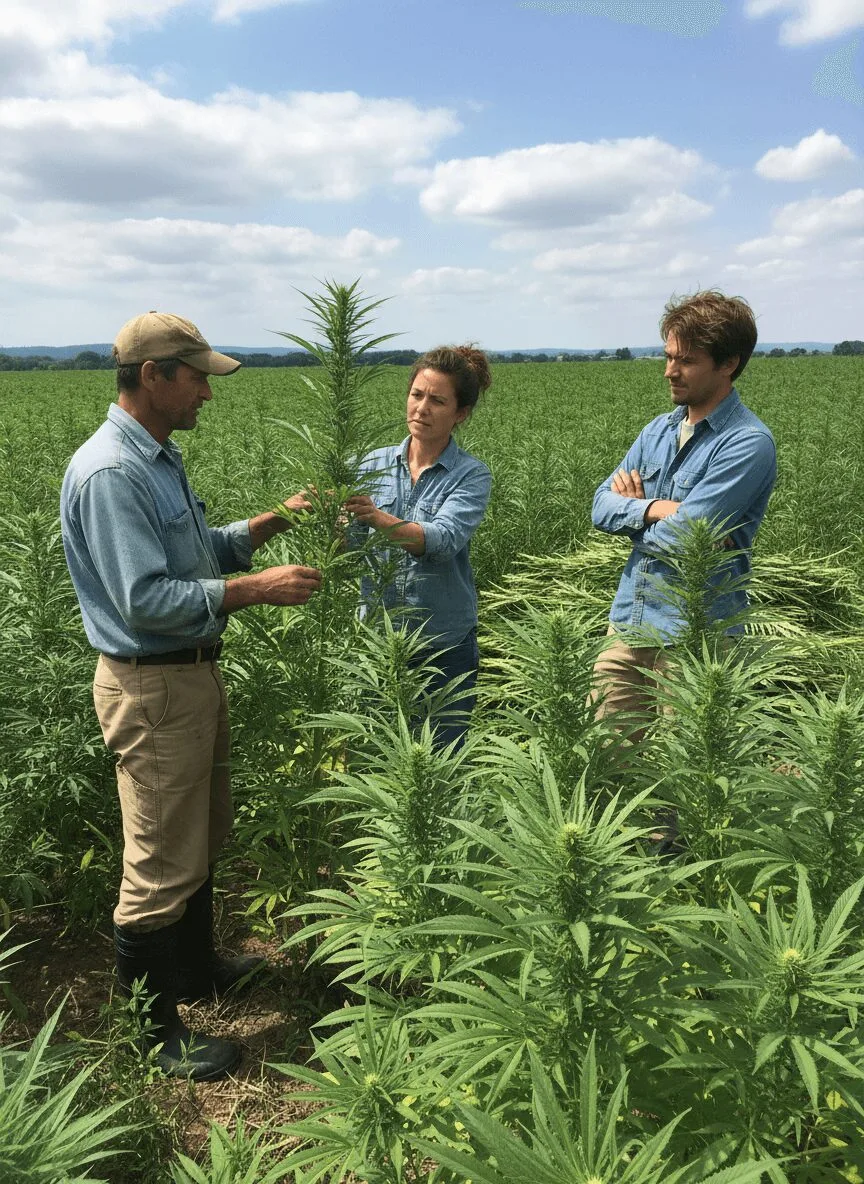
Despite Virginia hemp industry challenges, resilience runs deep in the state’s farming community. As legislators hash out new rules, most advocates see an eventual shift toward clarity, fairness, and economic normalization. States like Colorado show how clear regulations cultivate a booming, safe marketplace—promising hope for Virginia’s future. According to the Hemp Benchmarks February 2024 Market Report, adaptable regions and communities are bouncing back fastest. While some old-school growers are bowing out, fresh faces enter with new ideas: sustainable farming, value-added processing, or innovative hemp building materials. Public support, too, is on the rise, with recent polls reflecting record approval for hemp and cannabis legalization across the South.
No doubt, Virginia hemp industry challenges will keep surfacing. But if history’s any guide, Virginia’s growers will pivot, persist, and plant those roots deeper each season. Here’s to seeing hemp fields thrive from Richmond to Roanoke for years to come.
Originally reported by: kenbridgevictoriadispatch.com