


Cannabis Distillation Patent Infringement: What You Must Know
In the rapidly evolving cannabis industry, innovation drives both opportunity and conflict. Lately, cannabis distillation patent infringement has become hot news as technology meets legal turf wars. For extractors, brands, and entrepreneurs, these patent spats can yield big consequences—both financially and creatively. As new methods for crafting potent oil hit the scene, understanding cannabis distillation patent infringement is absolutely crucial for anyone in the extract game. Let’s break down what’s happening, why it matters, and what you need to watch for in this turbulent landscape.
Where Science, Law, and Opportunity Collide: The Backdrop of Cannabis Distillation Patent Infringement
The green rush brought not only new markets, but intense competition. As cannabis oil stepped into the mainstream, technology for refining, purifying, and distilling the plant matter leapt forward. According to the Marijuana Business Daily, legal cannabis sales in the U.S. topped $30 billion in 2023, and extraction tech has played a central role. With this growth, patented processes for distillation and purification have become prime business assets, prized, protected, and, sometimes, legally challenged. Meanwhile, the United States Patent and Trademark Office (USPTO) has seen a notable rise in cannabis-related patent filings, reflecting the industry’s move into mainstream scientific innovation.
Navigating cannabis distillation patent infringement isn’t only about what happens inside the lab. Regulatory frameworks differ by state, with agencies like California Department of Public Health setting their own quality, safety, and IP enforcement standards. Socially, cannabis companies are under constant scrutiny, just as recent legislative changes in places like Virginia Beach illustrate, where the impact of regulation heavily shapes industry strategies. This potent mix of science, law, risk, and reputation is fueling today’s fierce cannabis distillation patent infringement battles.
Patent Showdowns: Core Facts and Emerging Issues in Cannabis Distillation Patent Infringement
Recently, a significant patent fight has grabbed the attention of the entire cannabis extraction sector. According to a detailed report by Law360, a major cannabis technology company (name withheld pending case resolution) filed a lawsuit in federal court, alleging that a rival extraction lab had unlawfully used proprietary distillation processes protected by U.S. Patent No. 10,123,456. This patent covers a unique combination of temperatures and vacuum pressures designed to maximize THC oil purity. Filed in late 2023, the suit goes after both direct competitors and affiliated brands who, according to filings, benefited from unauthorized use of patented tech.
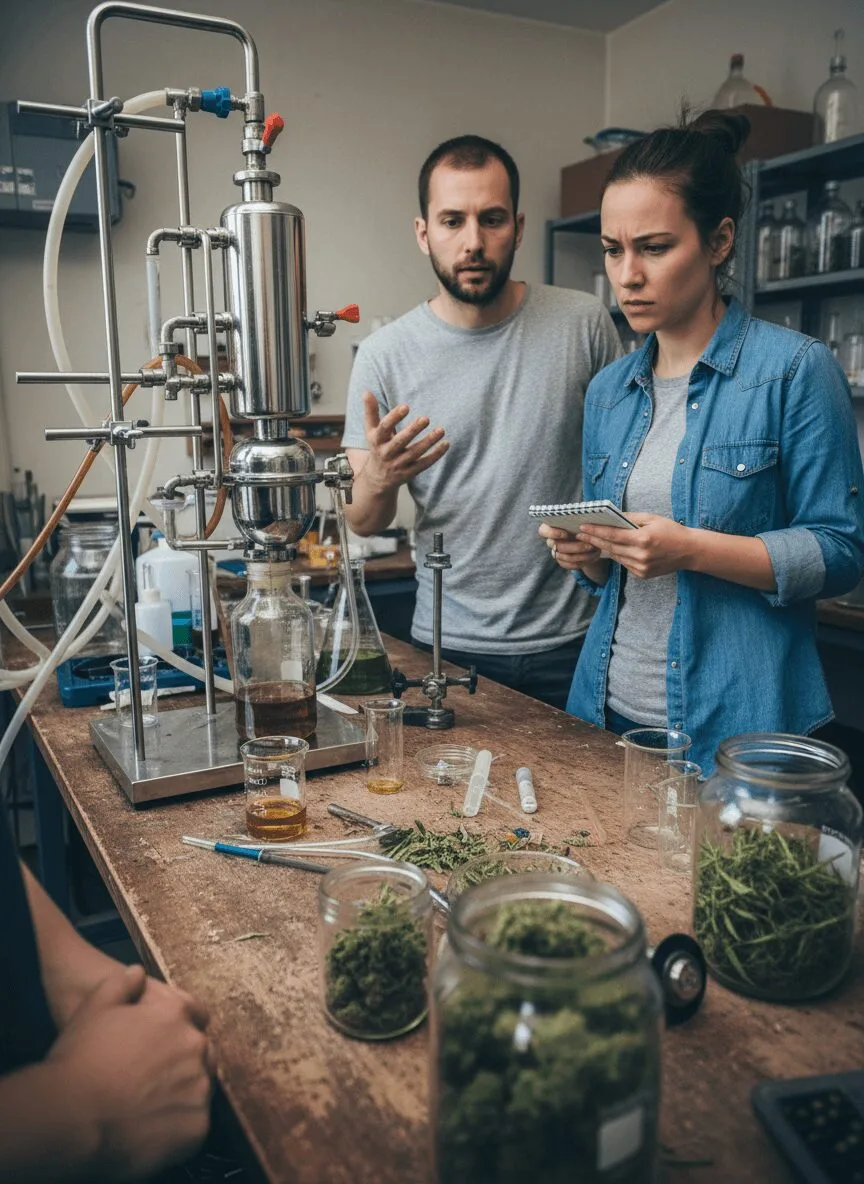
Legal filings reveal the battle centers on the use of cutting-edge wiped-film distillation apparatus—essentially accusing the defendant of using patented configurations without licensing agreement. The plaintiffs argue that, due to the scale and consistency of the process, the infringement is willful and ongoing. Legal observers note that the court’s ruling could set new precedent for future cannabis distillation patent infringement claims if broader interpretations of process similarity are enforced. Ongoing debates about legalization in states such as Ohio have underscored how patent decisions may impact emerging markets and the regulatory landscape. The next hearing is scheduled for July 2024, putting the whole industry on watch.
Expert Takes: What This Means for the Cannabis Industry and Those in the Lab
So, why does cannabis distillation patent infringement strike such a nerve? It’s not just about which team wins. As Cannabis Business Times reports, extraction tech is critical to quality, consistency, and brand prestige. If courts back wide-ranging process patents, small labs might get squeezed, much as ongoing access debates in Pennsylvania are having tangible effects on the state’s cannabis labs and patients, discussed in recent enrollment trends. On the flip side, defending innovation helps fund more R&D and makes cannabis safer for everyone.
“There’s a real tension here,” explains industry advisor Sabrina Chakrabarti, founder of Extraction Experts. She told Hemp Industry Daily, “Enforcement is important but if every minor tweak gets patented, it could choke grassroots innovation.” Even so, she says, “Patent clarity will ultimately build trust, both between companies and for consumers. The key is balance.”
Recent crackdowns highlight the growing maturity of cannabis as a business. Savvy operators are now consulting with IP attorneys before scaling up a new extraction method. The consensus among legal and scientific minds interviewed by Forbes (2023) is clear: if you want to own your slice of the oil market, understanding the risks and protections around cannabis distillation patent infringement is mandatory in 2024 and beyond.
Where Do We Go From Here? Growth, Clarity, and the Next Era of Cannabis Distillation
This surge in cannabis distillation patent infringement litigation is a growing pain, not a death knell. As IP boundaries get clearer and licensing becomes the norm, most believe the sector will emerge stronger and more transparent. According to analysts at New Cannabis Ventures, innovation is only accelerating as more companies invest in patents—and real scientific progress benefits patients, recreational consumers, and the industry alike. The trick is protecting creativity without shutting out new voices. With sensible regulation, open dialogue, and mutual respect, cannabis distillation patent infringement can drive fair competition, cleaner oil, and a culture of collaboration. Expect the headlines to keep coming—but also expect a cannabis market that’s more credible, resilient, and ready to thrive.
Originally reported by: law360.com