

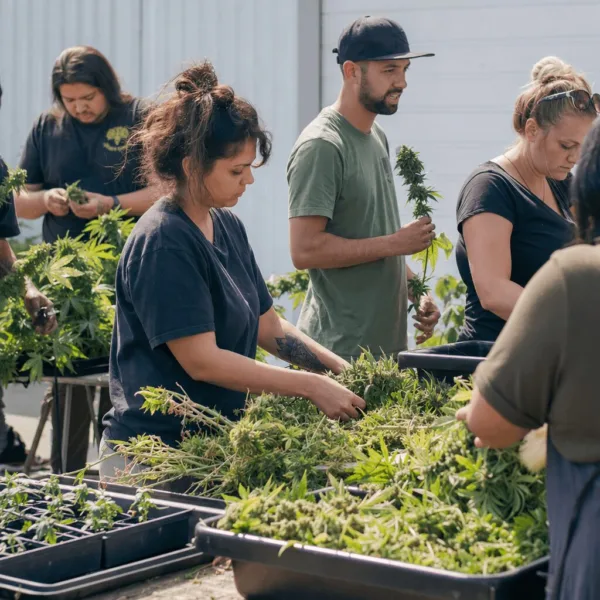




The discovery of extinct cannabis enzymes isn’t just headline fodder—it’s a big deal for both the cannabis community and science as a whole. Right now, as cannabis legalization and industry innovation accelerate, big breakthroughs like this are rewriting what we thought we knew about the plant. Today’s market is obsessed with strain diversity, quality, and biochemistry. That makes the story of extinct cannabis enzymes front-page worthy. Scientists have managed to resurrect these long-lost enzymes, opening doors to new research, industry possibilities, and even better understanding of cannabis’s origins. If you care about cannabis—whether as medicine, lifestyle, or culture—this is a pivotal moment.
How Extinct Cannabis Enzymes Fit Into the Legal, Social, and Industry Landscape
Cannabis laws and research opportunities are evolving fast, especially since recent cannabinoid breakthroughs like the discovery of extinct cannabis enzymes grab headlines worldwide. Despite progress, cannabis remains a tangle of federal and state regulations in the U.S., shaping how and where research can happen. For example, recent local legal controversies, such as a vape shop bust in Ross Township, highlight ongoing enforcement differences. Internationally, policy landscapes are patchwork, too (Brookings Institute). Even so, renewed scientific curiosity about cannabis origins and evolution is changing the conversation. Academic interest is booming (Nature), and today’s cannabis market rewards scientific credibility more than ever. With extinct cannabis enzymes coming back into focus, regulators, growers, and patients all have to rethink what this plant can do, especially with legal shifts gaining momentum as seen in recent ballot discussions in Massachusetts.
The Big Breakthrough: Resurrecting Extinct Cannabis Enzymes, What Actually Happened?
Let’s talk about the science. Researchers recently revived extinct cannabis enzymes, basically time-traveling back into the plant’s evolutionary past (ScienceAlert). Here’s how it went down: a team led by Kohki Shoyama and colleagues at Shimane University analyzed ancient genetic blueprints, isolated enzyme DNA, and used modern biotech methods to bring these molecules back to life. Their experiments illuminated how extinct cannabis enzymes like THCAS (responsible for THC synthesis) evolved and disappeared over time. This scientific progress parallels debates about illegal cultivation and enforcement as the laws adapt across states.
This isn’t just academic hot-air. By reconstructing lost biochemistry, scientists traced the plant’s shifts from wild ancestors to modern psychoactive and industrial strains. The study’s findings revealed precisely which enzymes shaped ancient cannabis chemistry, and which pivotal traits were lost forever until now. Their results were published in peer-reviewed science journals and immediately picked up by global media, underscoring the evolving landscape where extinct cannabis enzymes are once again becoming relevant for both science and law.
Why Extinct Cannabis Enzymes Matter, Expert Take & Industry Significance
Alright, so why should any of us care about extinct cannabis enzymes? Beyond the nerdy cool factor, this breakthrough could turbocharge genetic engineering, strain development, and medical cannabis research. Experts point out that reintroducing these rare enzymes means more control over cannabinoid profiles, imagine customized strains with unique therapeutic effects and renewed industry excitement. Dr. Ethan Russo, a trusted neurologist and cannabis researcher, highlights: ‘Understanding these extinct cannabis enzymes lets us unlock the plant’s full potential, and maybe bring back medicinal compounds lost to history.’ (Project CBD).
This is huge for cultivators and product developers looking to stay ahead. The implications ripple out: greater genetic diversity, new intellectual property, and potentially next-level medicine. Industry veterans cited in Leafly News believe these advances help counteract years of prohibition-fueled knowledge gaps. Plus, as discussions ramp up around potential changes to the federal hemp THC loophole, understanding extinct cannabis enzymes could provide crucial context for advocates and policymakers alike.
The Future: Bold Possibilities for Cannabis Thanks to Extinct Enzyme Science
The revival of extinct cannabis enzymes signals a vibrant new era for the cannabis world. It’s proof that science, passion, and culture can create progress—even after decades of legal and social hurdles. As industry regulation improves and public acceptance grows, we can look forward to smarter, safer, and more diverse cannabis products. The more we discover about the plant’s past, thanks to efforts like these, the more we shape a positive, inclusive cannabis future. According to a recent Health Europa report, the global shift toward legalization is creating more room for groundbreaking discoveries like these extinct cannabis enzymes. Here’s to a future where history, science, and good vibes lead the way.
Originally reported by: sciencealert.com


1 Comment
Pingback: Sydney CBD retail acquisition: ART’s Strategic Move Revealed