Pennsylvania medical marijuana: Why Are Patients Leaving?
This year, Pennsylvania medical marijuana faces a game-changing crossroads. With more than half a million registered patients in the Commonwealth, the program’s rapid growth seemed unstoppable. However, a new wave of patient departures is sparking heated debate, regulatory scrutiny, and fresh questions about the program’s future. As market trends shift and legal reforms loom on the horizon, understanding why some patients are backing out is more relevant than ever. From evolving regulations to real-world access issues, we’ll break down what’s happening, why it matters, and where the Keystone State goes from here.
Understanding the Pennsylvania Medical Marijuana Scene: Regulatory Roots, Social Shifts, and Recent Enforcement Trends
Pennsylvania medical marijuana has had a wild ride since legalization in 2016. The Commonwealth’s program launched to much fanfare, aiming to deliver safe, regulated cannabis for patients with approved conditions. Pennsylvania’s approach remains notably restrictive compared to West Coast markets, with rigorous doctor certifications, a limited qualifying condition list, and dispensaries under tight oversight. The state’s Department of Health keeps a steady hand on product tracking, patient ID verification, and compliance audits. Legislative efforts, including Senate Bill 1477 and its kin, have seen slow but steady attempts at expansion. The tension between Pennsylvania’s evolving cannabis culture and the ongoing stigma, combined with regulatory constraints, continues to shape the industry—and at the same time, shifting enforcement priorities in other states, such as those highlighted in the Alachua jail booking log, cast a long shadow on how legal markets and law enforcement evolve together.
Key Developments, Issues, and the Landscape for Pennsylvania Medical Marijuana in 2024
Zooming in on 2024, several factors are driving patient attrition in Pennsylvania’s medical marijuana program, as Axios Philadelphia recently reported. Most notably:
- Rising Costs: Patients report that retail prices for regulated cannabis have climbed, putting financial pressure on those relying on regular use. Since insurance rarely covers these costs, the program remains out of reach for many on limited incomes. This mirrors concerns across other states as well, particularly as retail models adapt—such as retailers facing unique cost challenges in the expanding hemp THC beverage sales sector.
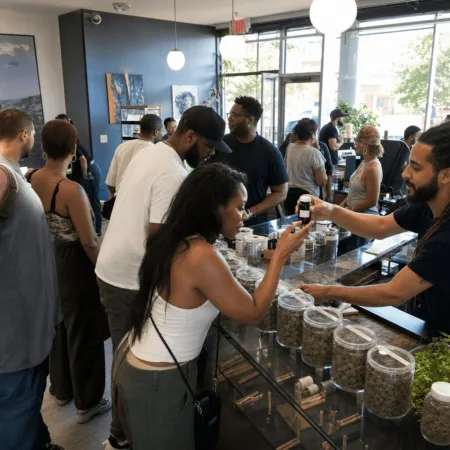
- Access Barriers: With fewer than 180 dispensaries statewide, rural Pennsylvanians often face long drives and waits, and product diversity is limited outside major metro areas.
- Legal Uncertainties: Although Pennsylvania allows medical use, ambiguity around patient rights leads to concerns about employment or housing discrimination, with current protections offering little recourse.
- Program Fatigue: The annual recertification process and associated fees contribute to frustration, and as one Philadelphia patient notes to Axios, “I just got tired of paying hundreds every year to renew my card.”
With legal debates over recreational cannabis on the horizon—potentially by 2026—many patients are hesitant to renew registrations while lawmakers deliberate. Dispensary operators like Trulieve and TerrAscend are watching these trends closely, knowing that Pennsylvania medical marijuana participation is core to their business models.
Expert Analysis & Insights: Why the Pennsylvania Medical Marijuana Market Remains Unpredictable
The current shakeout for Pennsylvania medical marijuana echoes larger national trends. As MJBizDaily has documented, flat or declining patient numbers signal both industry maturity and mounting systemic pressures. Regulatory uncertainty, cost hurdles, and logistical challenges combine to create an environment where some patients explore alternatives or drop out of the program.
“When people run into consistent hurdles, whether cost, bureaucracy, or access, they often look for other options, even if those options bring more risk,” says Dr. Betty Aldworth of Students for Sensible Drug Policy (via SSDP).
Still, Pennsylvania medical marijuana serves many who cannot access other markets safely, and state oversight helps ensure reliable, tested products for patients. Efforts by advocacy groups continue, with calls for expanded home grow rights and more inclusive qualifying conditions. Recent developments across the nation—including evolving roadside justice procedures like those seen with cannabis impaired driving devices—demonstrate how changing cannabis regulation is impacting not only patients, but also law enforcement and community standards.
Outlook: The Future of Pennsylvania Medical Marijuana
While today’s climate feels shaky for Pennsylvania medical marijuana, the long-term picture is brightening. As policymakers weigh adult-use legalization, pressure mounts for more affordable, equitable, and accessible medical cannabis. Pennsylvania’s patient voices—loud, candid, and persistent—are reshaping the conversation statewide. With wider public support and smart regulatory tweaks, the state’s program could emerge stronger than ever.
For millions navigating chronic conditions or quality-of-life challenges, medical cannabis isn’t just a product; it’s a lifeline. Industry leaders, as NORML notes, continue to fight for pragmatic reforms. Expect Pennsylvania medical marijuana’s story to keep evolving, with each new policy change opening the door for more meaningful change and healing in the Keystone State.
Originally reported by: axios.com