





California cannabis regulations: New rules impact you now
Right now, California cannabis regulations are at the heart of every canna-conversation. Consumer demand is exploding, but new laws are shifting the landscape for everyone—growers, dispensaries, and everyday users alike. Whether you’re a chronic enthusiast or a newcomer to California’s legal cannabis scene, understanding the latest regulatory shake-ups matters for your wallet, your stash, and the community around you. This guide highlights the real-world impact of these rules, industry reactions, and what to expect next in the Golden State’s evolving cannabis market.
The Evolving Landscape: Context for California Cannabis Regulations
Cannabis in California has a colorful history, evolving from decades of prohibition to one of the world’s most progressive regulatory systems. Legalization kicked off in earnest with Proposition 215 in 1996, making medical marijuana legit. Fast-forward to 2016, and Proposition 64 passed, opening the doors for legal adult-use sales. Since then, the California cannabis regulations have faced growing pains as the market struggles with black market competition, taxation headaches, banking issues, and local control debates. Industry reports by the LA Times point to a persistent string of regulatory tweaks, each aiming to balance safety, equity, and economic opportunity. The state’s agencies, especially the Department of Cannabis Control, are on a mission to rein in unlicensed operators, tighten product safety, and keep consumers protected. For readers interested in broader trends, recent industry updates help underscore just how essential it is to stay current with California cannabis regulations.
The Latest Developments: Key Rules and Issues Impacting Californians
On January 16, 2024, the California Department of Cannabis Control unveiled a sweeping set of new rules, a move that’s shaking up the legal market according to MyMotherLode News. These new California cannabis regulations touch every corner of the supply chain, with a strong focus on compliance, testing, and environmental standards.
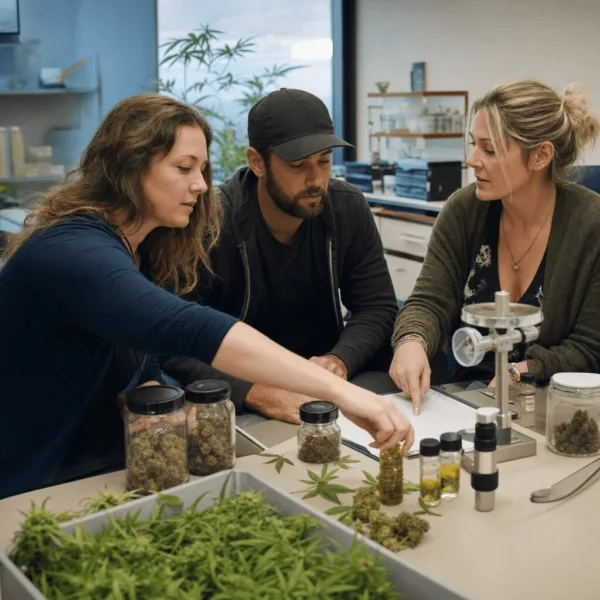
- Product testing: Labs are now required to use state-standardized protocols, aiming to eliminate “lab shopping” and ensure potency labels are truthful.
- Stricter traceability: Every legal cannabis product must move through the state’s track-and-trace system, with even more frequent spot checks.
- Packaging and labeling: Rules for packaging got a facelift, demanding higher visibility for state warnings, batch numbers, and child-resistant design, no more slap-dash mylar bags allowed!
- Sustainability measures: New environmental directives require cultivators to report energy and water use, aiming to minimize cannabis’s ecological impact in light of current waves of scientific innovation.
The Department of Cannabis Control also issued specific license modifications, altering how businesses qualify for and maintain their operational status, and it beefed up deterrents for those who skirt around the law. Retailers and growers have just a few months to lock in compliance before enforcement ramps up, and the clock is ticking. According to Leafly’s recent industry tracker, many operators are anxiously revisiting their paperwork and procedures to avoid hefty fines or shutdown orders, especially as society reconsiders how it treats cannabis in contrast to substances like alcohol, according to major discussions this year.
Expert Analysis & Balanced Insights: What Do These Rules Really Mean?
Let’s get real, these fresh California cannabis regulations are a double-edged sword. On one hand, they crack down on loose ends that have dogged the industry for years, think inconsistent lab results or sketchy packaging that confused customers. On the flip side, compliance is not cheap, and many small businesses worry about staying in the game as their costs climb.
Industry analyst Bridget Hennigan of Marijuana Moment summed it up: “The goal is to protect consumers and give honest operators a fair shot, but unless enforcement is fair and resources are shared, we risk squeezing out craft growers.” That risk hasn’t stopped advocates from recognizing the giant leap forward. These regulations serve a larger purpose, pushing the gray market into the light, giving consumers cleaner, lab-tested products, and strengthening trust across the industry. The tweaks to product testing and supply-chain tracking are a big deal. As the National Organization for the Reform of Marijuana Laws (NORML) points out, “Stringent testing helps keep cannabis safe, and transparency means you truly know what’s in your jar or joint.” For many families and advocates, especially those concerned about issues like school access and medical use, ongoing challenges remain part of the conversation. These rule changes are designed not just for rule-followers, but for everyone in California who values quality and fairness in their cannabis experience.
Looking Forward: The Future of California Cannabis Regulations
California cannabis regulations are here to stay, and—let’s be real—they’re only getting sharper. Yes, the growing pains are legit and some folks worry that red tape could choke out the heart of the local scene. But optimism is budding alongside all the paperwork. More oversight means greater equity, cleaner products, and more legit access for consumers statewide. With steady tweaks, input from both business leaders and activists, and rising acceptance, the Golden State remains the role model for other markets. According to forecasts by Benzinga’s 2023 cannabis market review, legal sales will bounce back as regulatory clarity inspires public trust and attracts new investment. As California keeps rolling with the punches, expect this market to mature, diversify, and thrive—one rule change at a time. Stay tuned, stay compliant, and keep supporting California’s growing cannabis ecosystem.
Originally reported by: mymotherlode.com


1 Comment
Pingback: DSHS hemp rules hearing: Small businesses push back