




Cannabis Production Prices: What Falling Costs Mean Now
If you’re following the green rush, it’s hard to ignore how cannabis production prices are shaping the landscape. Right now, we’re seeing record crops and steady demand, but prices are dropping—fast. This shift is sending ripples from growers to dispensaries, and making waves with everyone who’s ever rolled a joint or run a grow op. In this piece, I’ll break down what’s driving this trend, highlight the latest industry moves, and weigh in on what these price drops mean for the future of cannabis.
The Market & Legal Landscape Behind Cannabis Production Prices
The dramatic shift in cannabis production prices can’t be understood without a look at the marketplace’s roots. Since legalization, states like Oregon, Colorado, and California have built large-scale cannabis supply chains, but not without some heavy regulatory baggage. According to the Brookings Institution, strict licensing and testing standards initially slowed down production, helping stabilize early prices. But as those hurdles eased, production ramped up, and supply started to outpace demand.
Social acceptance has also played a big role. An increasing number of adults support legal cannabis, with Pew Research Center data showing consistent upward trends in favorability. Plus, national and state politics can shift the game overnight, especially as discussions on federal banking reform and interstate trading have fueled market optimism (read more about changing legalization landscapes).
All these factors, including regulation, evolving demand, and growing social acceptance, set the stage for the shifting cannabis production prices seen in 2026.
Key Developments: Record Harvests and Lower Cannabis Production Prices
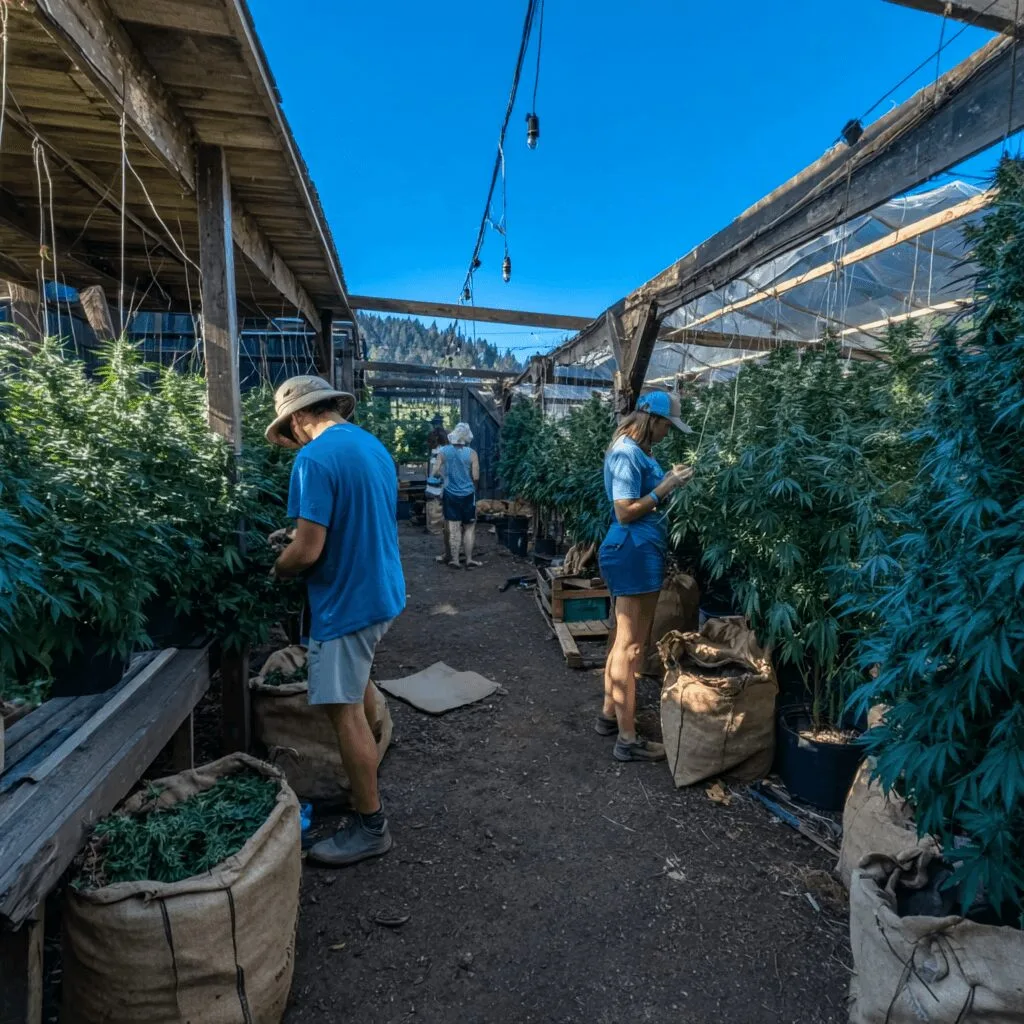
Let’s cut to the chase, Oregon growers set new records for cannabis harvests in 2026, with supply outstripping what consumers could ever possibly smoke, vape, or bake. As Oregon Public Broadcasting reports, this bounty coincided with steady retail demand and caused wholesale cannabis production prices to plummet by over 30% in some areas.
Major licensed producers like Gnome Grown and Eco Firma Farms reported average bulk flower prices falling below $500 per pound, a significant drop from over $1,500 just two years ago. Retailers noticed that despite more product on the shelves, consumer prices steadily crept lower as competition intensified. For deeper coverage on how Oregon’s market has evolved in recent years, explore current trends in cultivation and pricing.
It’s not just Oregon, Colorado and Washington are feeling the pinch, too. State regulators in Oregon also began discussing inventory control measures and limits on new cultivation licenses, hoping to manage the flood of product and stabilize cannabis production prices for struggling growers (Oregon Liquor & Cannabis Commission).
Growers say the new normal means razor-thin margins, with everyday operators squeezed by oversupply. Some small-scale farmers have exited the business, while others invest in niche genetics or craft cultivation to stand out. Meanwhile, the price crash benefits consumers, who get more bud for their bucks, but challenges everyone else in the supply chain to rethink their game.
Expert Insights: What Falling Cannabis Production Prices Really Mean
Falling cannabis production prices have sparked mixed emotions among industry insiders. On one hand, lower prices make cannabis more accessible and apply stronger pricing pressure to illicit operations, but on the other, these trends are raising existential questions for full-spectrum growers heavily invested in their facilities and licenses.
Years of open licensing policies, investment booms, and improved cultivation know-how have transformed Oregon and its neighbors into major cannabis producers almost overnight, resulting in market saturation. As MJBizDaily editor Lisa Bernard-Kuhn noted, “Producers are now learning what it’s like to operate in a true commodity market, where efficiency and differentiation are key to survival.”
Some industry leaders see opportunity amid the price drop. According to Leafly, the current shakeout will ultimately reward quality, creativity, and sustainable practices over just scale. For a closer look at how enforcement issues intersect with evolving market trends, check out this analysis on recent incidents impacting the THC vape market.
Vertical integration, branded products, and value-added processing are all on the rise, but the heart of the matter remains this: cannabis production prices will eventually stabilize, giving both established brands and new entrepreneurs a chance to thrive in a maturing market.
Future Outlook: Opportunity Amid Shifting Cannabis Production Prices
So what’s next for cannabis production prices? Despite challenges for farms and businesses, optimism is sky-high. Regulatory bodies like the OLCC signal willingness to adapt, while innovative producers explore everything from organic certifications to new tech-driven efficiencies. Consumers are set to win with more affordable, higher-quality options; producers have a chance to get leaner, meaner, and greener. The lessons we’re learning today will fuel tomorrow’s cannabis renaissance.
Laws will keep evolving, and market corrections are natural. The mature, legal, and responsible cannabis industry isn’t just surviving—it’s blossoming, even as cannabis production prices find their sweet spot. As industry analysts from New Cannabis Ventures note, resilience and innovation will take the plant further than ever. Keep lighting up hope—and rolling with the punches. The future of cannabis has never looked brighter.
Originally reported by: opb.org


1 Comment
Pingback: Wisconsin Cannabis Legalization: What You Need to Know Now