






Idaho senators marijuana reclassification: What’s at stake?
If you’ve been tracking how Idaho handles cannabis (and trust me, it’s been a rollercoaster), you know things are heating up. The topic of Idaho senators marijuana reclassification couldn’t be more relevant. Federally, times are changing. States all around Idaho are loosening up, but the Gem State keeps its guard up. Now, with Idaho senators pushing back on reclassification, there’s a lot on the table: local farmers, patients, and those living near state borders are watching closely. In this article, we’ll dig into what’s motivating Idaho lawmakers, the stakes for citizens, plus what all this means for the broader cannabis landscape.
Understanding Idaho’s Regulatory and Social Landscape
Idaho has long been one of the most cannabis-averse states. While neighboring Oregon, Washington, and Montana have embraced some form of legalization, Idaho’s code is strict, cannabis remains fully prohibited even for medical use. State lawmakers cite federal law and a desire to maintain traditional values. According to the National Conference of State Legislatures, Idaho is one of just a handful of U.S. states with zero legal pathway for any kind of cannabis. Socially, there’s growing support for reform, especially among younger Idahoans and those with chronic health issues. However, law enforcement and older generations tend to resist change. Meanwhile, farmers and entrepreneurs eye potential economic benefits, seeing how much taxable revenue and new jobs surge across state lines. Recent changes in other states, like discussions on beverage and edible regulations, show how fast local approaches can shift, which is evident in Kentucky’s evolving THC beverage laws. Still, the gap between federal reform talk and on-the-ground Idaho law remains a yawning, controversial canyon.
Key Developments: Why the Idaho Senators Marijuana Reclassification Push Matters
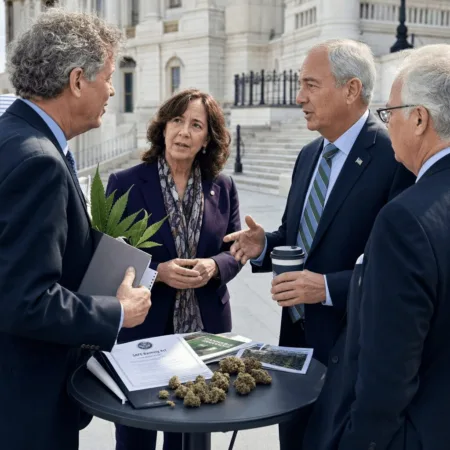
In May 2024, Idaho senators Mike Crapo and Jim Risch sent a direct request to the federal government urging the Biden Administration to hold off on marijuana reclassification to Schedule III. Idaho’s senior lawmakers warn that easing restrictions could create legal confusion and increase public health risks. They argue reclassifying cannabis would undermine local law enforcement and make Idaho’s strict drug policy harder to enforce. The senators’ letter specifically asks federal agencies to fully evaluate possible consequences and maintain strong anti-cannabis stances. This comes after the federal government signaled a willingness to reconsider marijuana’s position under the Controlled Substances Act, following advocacy from groups like the Americans for Safe Access and significant criminal justice debates. These Idaho senators are taking a firm stance, much like other authorities have done when addressing concerns about cannabis access and control, for example in stories about crackdowns on THC vape sales to minors. The state’s current laws mean that anyone caught with any amount of marijuana still faces severe penalties, up to a year in jail and a hefty fine. As these federal discussions gain attention, Idaho’s government continues to stand out as a stronghold for prohibition, drawing sharp lines between federal and state law.
Expert Analysis: Idaho’s Impact on the Broader Cannabis Conversation
What’s going down in Idaho isn’t just a local spat. Nationally, as federal agencies signal openness to change, outliers like Idaho pressure the debate and reveal how uneven the reform landscape remains. According to industry analysts at MJBizDaily, states with strict laws can become hotspots for black-market activity and legal confusion as surrounding regions embrace legalization. Reevaluating marijuana’s Schedule I status is a seismic shift, not just technically but culturally. “Idaho’s stance shows just how tricky it is to bridge traditional drug policy and new cannabis science,” notes cannabis law expert Hilary Bricken in Canna Law Blog. “It tests whether state lawmakers can adapt as national research, medical voices, and economics move toward regulation rather than prohibition.” Industry leaders warn that failing to update Idaho laws could put local patients and farmers at a disadvantage, driving commerce and medical tourism to friendlier states. A similar pattern of change and resistance can be seen in other regions, highlighted in reports like 2025 cannabis industry insights. Still, Idaho politicians remain steadfast, citing potential for increased use among minors and fears of escalating DUI rates. Balanced discussion matters, but stakeholders, from growers to patients, are eager for science and experience, not just fear, to shape the future.
Looking Ahead: Idaho, Cannabis, and Changing Times
Let’s be real: Idaho senators marijuana reclassification debates are shaping more than just state law. The state is at a crossroads where local concerns meet growing national acceptance of cannabis, especially for medical use. Despite Idaho’s continued resistance, poll numbers and national trends show momentum is on reform’s side, with more than half of U.S. adults now supporting marijuana legalization (per Pew Research Center). For Idahoans, pressure will continue—border communities see cannabis commerce every day, and families watch policy reform elsewhere with curiosity and hope. While Idaho senators marijuana reclassification efforts may temporarily slow the tide, broader industry and social changes are certainly coming. For advocates and business owners, there’s cause for cautious optimism. Today’s resistance is tomorrow’s opportunity: education, empathy, and continued public engagement could finally bring the Gem State into the green age.
Originally reported by: ktvb.com


1 Comment
Pingback: Idaho lawmakers marijuana opposition sparks heated debate