





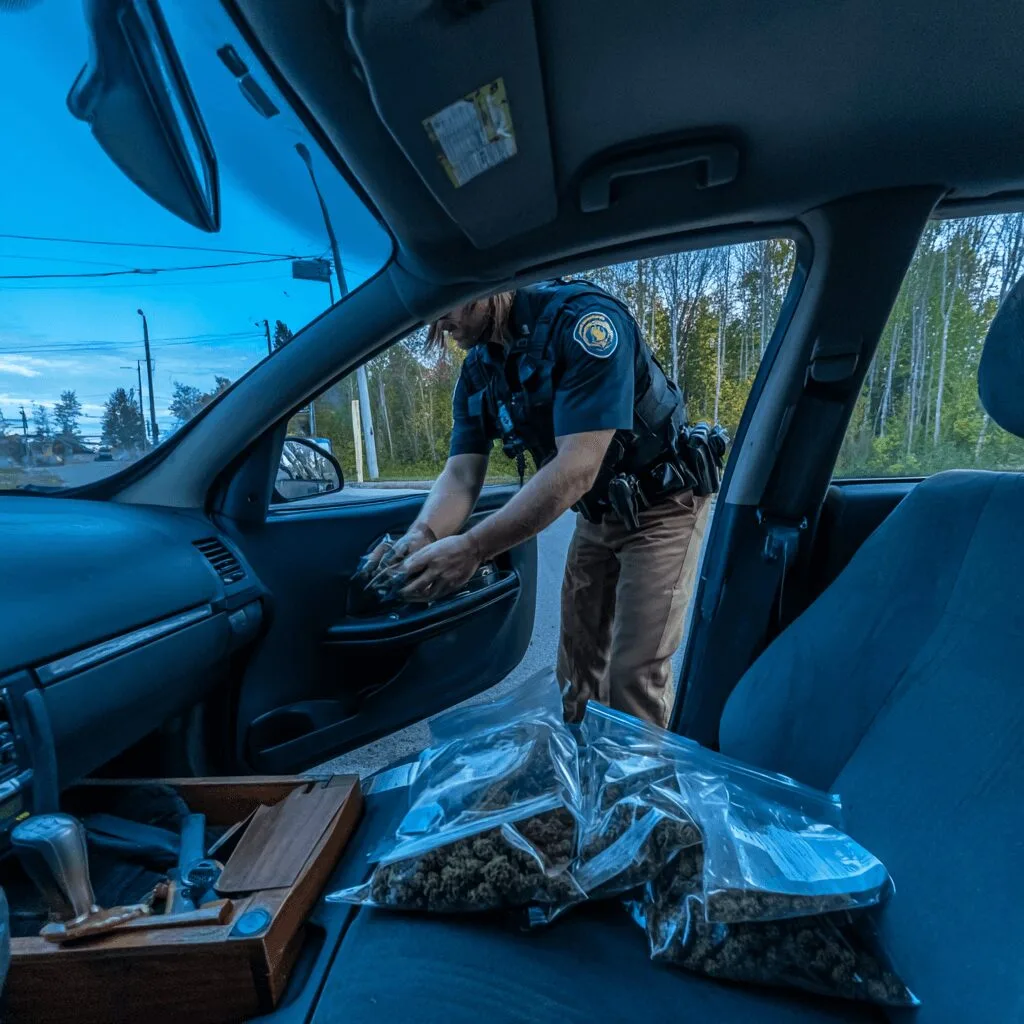
Kenora drug seizure: Shocking Traffic Stop Uncovers Stash
Kenora just made national waves thanks to a headline-making traffic stop—yes, cannabis and several other controlled substances have brought the topic front and center. The “Kenora drug seizure” has everyone talking, from cannabis enthusiasts to mainstream critics. But why is this event so relevant right now? The answer ties back to ongoing tensions between law enforcement, evolving drug laws, and the perpetual debate about what safer, regulated access might actually look like. Today, we’re unpacking what really went down, what this means for the cannabis community, and what the future could hold.
The Regulatory and Social Climate Behind the Kenora Drug Seizure
Before diving into the specifics, it’s crucial to understand the bigger regulatory and social landscape. Cannabis has been legal across Canada since 2018 under the Cannabis Act, but local enforcement and attitudes remain mixed, especially in rural hubs like Kenora. Health Canada sets national guidelines, yet provincial and municipal police still bear the brunt of enforcement. With patchy regulations on edibles, possession, and transport, what’s allowed in Toronto might land you in hot water up north, a contrast that highlights surprising shifts and unexpected issues that will likely be explored further as regulatory changes are predicted for 2026.
The social climate is equally complex. While stigma around cannabis continues to fade, sensational headlines still make the public wary. According to CBC News, many Northwestern Ontario residents support legalization, though there’s still concern over the intersection of cannabis, other drugs, and community safety, much like the ongoing debates sparked by recent booking photos and public concerns in other regions which reflect shifting local perceptions.
Kenora Drug Seizure: What Actually Happened?
This recent Kenora drug seizure wasn’t just about a joint. According to NWO Newswatch, police pulled over a car on a quiet local road, only to uncover an unexpected assortment of substances: clear bags containing what appeared to be cannabis, as well as other controlled materials like cocaine, crack, and psilocybin. The specific stop occurred in early June 2024, spotlighting a routine traffic check gone wild. Law enforcement seized the vehicle and arrested the driver, charging them under multiple counts related to possession and intent to traffic. This situation echoes the industry and community responses that unfolded during cannabis-related incidents in other cities, further illustrated by recent industry concerns over grow facility emergencies.
No licensed cannabis retailer was reportedly involved, and none of the seized substances were purchased through legal Ontario Cannabis Store (OCS) channels, according to Ontario provincial police statements. The Kenora drug seizure stands out not only due to the mixed haul, but also in how local officers handled the incident, underscoring ongoing police discretion in an era of legalization. While the outcome is serious for those directly involved, it’s clear that unlicensed sources and poly-drug situations still drive aggressive enforcement in Ontario shores, much like broader debates around legalization shifts and legislative impacts highlighted in other jurisdictions—for instance, in recent Delaware legislative moves.
Expert Insights: The Real Message Behind Kenora’s Traffic Stop
What does this Kenora drug seizure truly say about where we’re at? As someone who’s been around the cannabis block a few times, I’ll tell you straight, it reveals the best and worst of our current climate. Government legalization created new pathways for responsible cannabis use, but lingering prohibition-era attitudes still meet anything outside tidy OCS packaging with heavy suspicion, not unlike the challenges posed by policy shifts chronicled in states like Colorado as their marijuana sales surge.
Industry experts resonate with this view. As quoted in Mugglehead Magazine, cannabis policy analyst Deepak Anand says, “We’re not done fighting the ghosts of prohibition. Every time police sweep in on a roadside stash, it’s a reminder the legacy market didn’t just disappear.”
This incident also points to practical issues, the blending of cannabis with unregulated, illicit substances is a real concern, driving more scrutiny from law enforcement. But context is everything. Just because cannabis is present doesn’t make it the villain, often, it’s used as the scapegoat in multi-drug cases, masking deeper problems around regulation, health, and education. This is especially relevant as policymakers weigh reclassification and future benefits, a topic recently explored in the article on how cannabis reclassification benefits both taxpayers and researchers.
Looking Ahead: Progress and Potential After Kenora’s Big Bust
Despite the drama of the latest Kenora drug seizure, there’s an undeniable upside. Incidents like this push for better dialogue between police, policy-makers, and progressive cannabis advocates. Prohibition’s legacy is fading, and education is finally entering the mainstream. Industry watchers, like those at Leafly, point out continued climbs in public acceptance and sector growth year-over-year. The future? Expect tighter focus on regulated supply chains, less stigma, and a collective push for smarter, harm-reduction-oriented policies around everything from edibles to transport. Kenora’s story is just the latest mile marker on Canada’s long road from prohibition to progress—and the cannabis community, as ever, keeps rolling forward with optimism (and a good sense of humor).
Originally reported by: nwonewswatch.com

1 Comment
Pingback: DOJ ignoring Trump cannabis order: What Happens Now?